Capsaicin
The heat compound in chili peppers, studied for a small calorie-burning bump.
- Type
- Thermogenic plant compound
- Typical research dose
- 2–6 mg capsaicinoids/day
- Best taken
- With food (to limit stomach burn)
- Caffeine
- No
- Main food source
- Hot chili peppers
- Evidence level
- Limited–moderate (small effect)
Capsaicin is the compound that makes chili peppers hot, and the same heat that you feel on your tongue is what researchers study for a modest boost in calorie burning and appetite control. It is a classic thermogenic ingredient in fat-burner formulas.
What is Capsaicin?
Capsaicin and its relatives (collectively capsaicinoids) are the pungent compounds in hot peppers such as cayenne. In supplements they appear as cayenne or capsicum extract, often standardized for capsaicinoid content. A related, non-burning compound called dihydrocapsiate is sometimes used to get similar effects with less heat.
How Capsaicin works in the body
Capsaicin activates heat-and-pain receptors (TRPV1) on nerve endings, which triggers a mild stress-like response that slightly raises metabolic rate and body heat — the definition of thermogenesis. It is also studied for modestly increasing fat oxidation and for blunting appetite and calorie intake at subsequent meals, partly through the same receptor activity.
What the research says about Capsaicin and weight
The effect is real but small. Reviews of capsaicinoids report a modest increase in daily energy expenditure (on the order of tens of calories) and small reductions in appetite and food intake, which over time could contribute to a slight calorie deficit. No serious researcher claims a large or rapid weight effect; capsaicin is a minor contributor, most useful as part of a broader approach.
How much Capsaicin to take
Studies typically use around 2–6 mg of capsaicinoids per day, often from standardized cayenne extract. Capsule forms are designed to deliver this without the mouth burn of eating chili, and to reduce stomach irritation when taken with food.
Food sources and supplement forms
Capsaicin is found in hot peppers — cayenne, chili, jalapeño, habanero and the like — with hotter peppers containing more. Bell peppers contain virtually none. Supplements concentrate it into a measured dose.
Why Capsaicin appears in weight-loss formulas
It appears in thermogenic and fat-burner formulas to add a believable, food-based metabolism-and-appetite mechanism, and pairs naturally with other thermogenics such as green tea, caffeine and ginger.
Safety, side effects and interactions
The most common issue is gastrointestinal: capsaicin can cause stomach burning, irritation or reflux, especially on an empty stomach, which is why it is best taken with food and why enteric-coated or buffered capsules exist. It may interact with blood-thinning medication and can irritate ulcers. Otherwise it is well tolerated at the small doses used.
How to choose a quality Capsaicin supplement
Look for a product standardized for capsaicinoid content at a sensible dose, ideally in a capsule designed to limit stomach burn (such as a beadlet or coated form). If you have a sensitive stomach, reflux or ulcers, approach cautiously and take it with meals.
You can literally measure the effect as heat
The same capsaicin that registers on the Scoville heat scale is what produces a small, measurable rise in body heat and calorie burning after eating — thermogenesis you can actually feel.
Common questions about Capsaicin
Does capsaicin help burn fat?
How much capsaicin is used in studies?
Will it upset my stomach?
Is capsaicin the same as eating spicy food?
Does it interact with medications?
What does capsaicin pair well with?
Supplements with Capsaicin
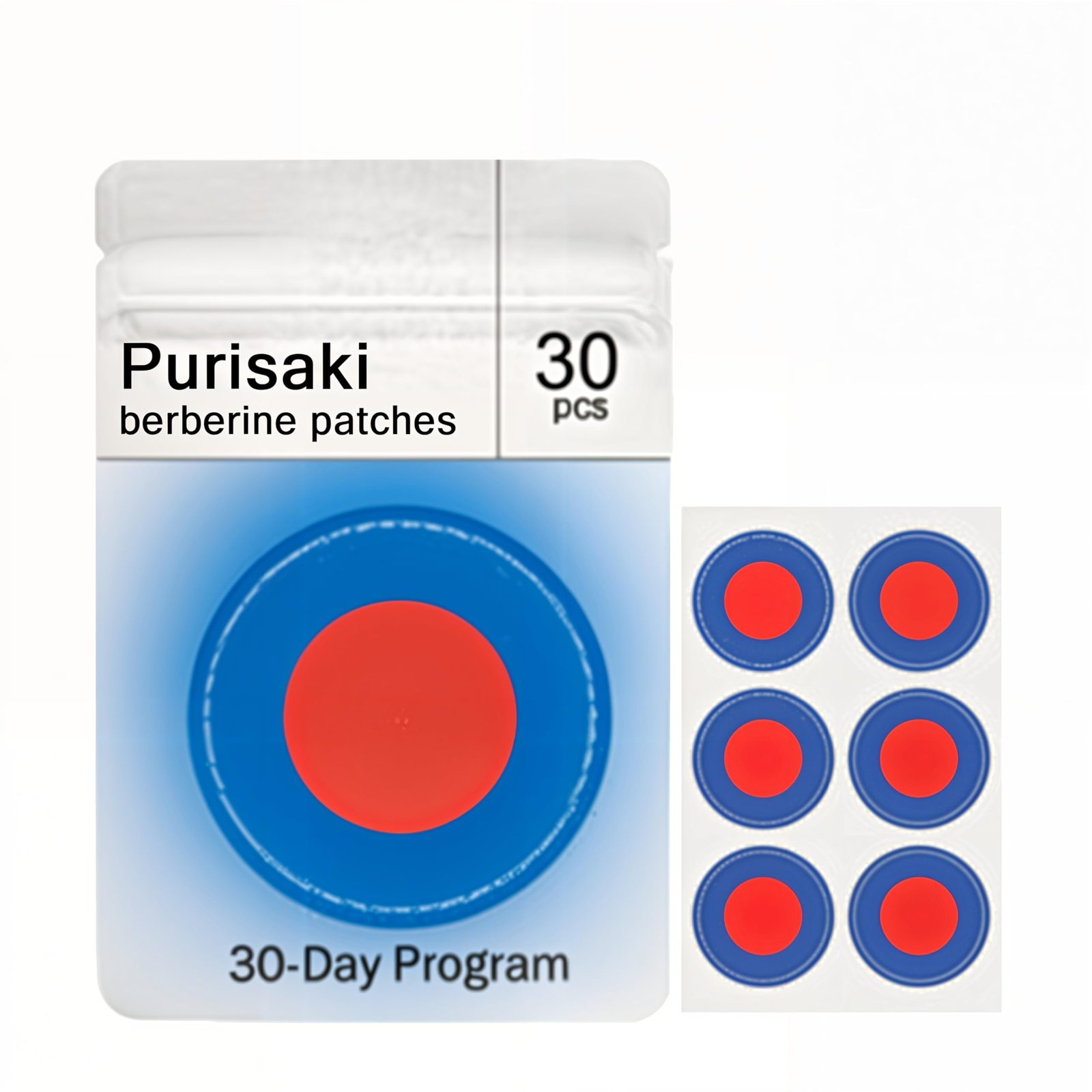
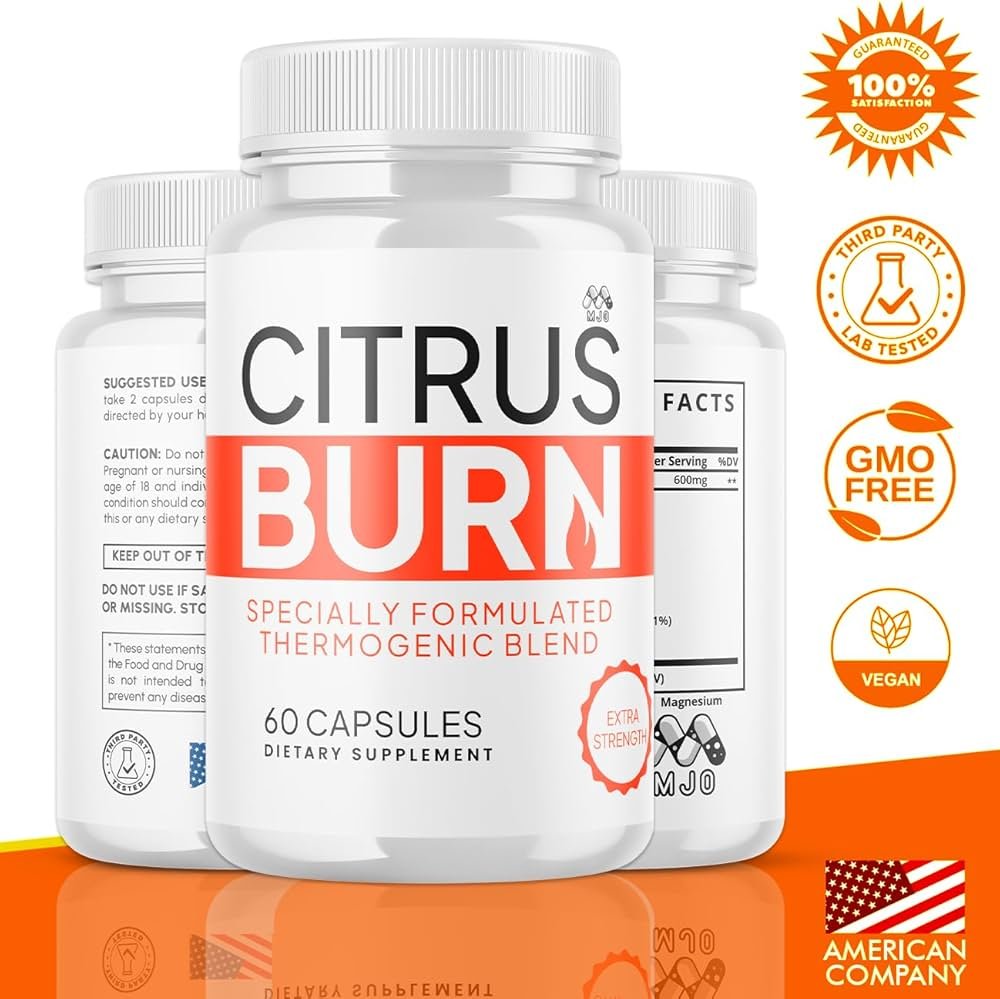
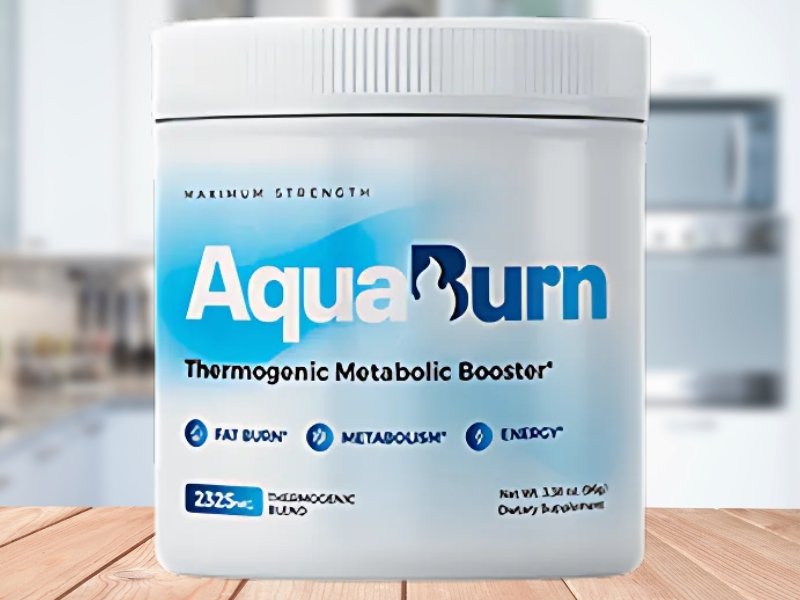
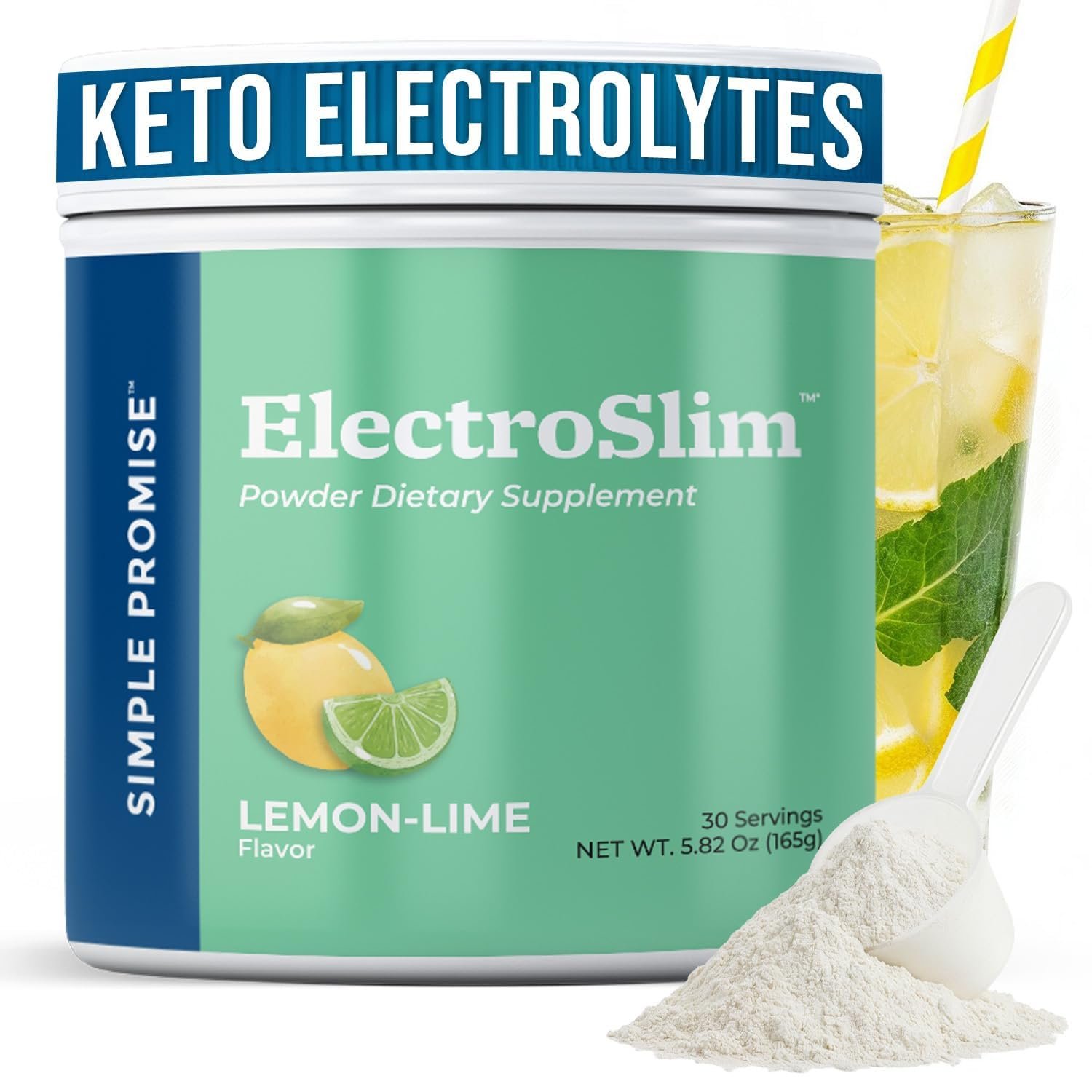
Formulas in the SourceLean directory that list Capsaicin or a closely related form among their ingredients:
Related ingredients
Explore other compounds commonly found in weight-loss formulas:
Ingredient insights, explained
Get plain-language ingredient guides and formula breakdowns in your inbox.
Affiliate disclosure: SourceLean is reader-supported. When you buy through links on this site, we may earn a commission at no extra cost to you. Checkout is always handled on the official product website.