Green Tea Extract
The most common weight-loss supplement ingredient — here’s what it actually does.
- Type
- Plant polyphenol (catechin)
- Typical research dose
- 250–500 mg catechins/day
- Best taken
- With food; earlier in the day if caffeinated
- Caffeine
- Usually yes (unless decaffeinated)
- Main food source
- Brewed green tea
- Evidence level
- Moderate — small but real effect
Green tea extract is the single most common ingredient across weight-loss formulas, and one of the few with a genuine, if modest, body of human research. It concentrates the polyphenols in green tea — chiefly a catechin called EGCG — into a standardized dose, often delivered alongside the plant’s natural caffeine.
What is Green Tea Extract?
Green tea extract is made by concentrating the leaves of Camellia sinensis and standardizing them for polyphenols called catechins. The most studied of these is epigallocatechin gallate (EGCG), which makes up a large share of green tea’s active compounds. Extracts vary widely: some are standardized to a set percentage of catechins or EGCG, and some are decaffeinated, which matters a great deal for how a product feels and how it is dosed.
How Green Tea Extract works in the body
Green tea’s catechins are thought to support metabolism through two linked routes. First, EGCG can inhibit an enzyme (COMT) that breaks down norepinephrine, a hormone that signals fat cells to release their stored fat; by letting that signal linger, fat mobilization may increase modestly. Second, the caffeine that usually accompanies the catechins independently raises energy expenditure and enhances the same fat-burning pathway. The two appear to work better together than either does alone, which is why caffeinated extracts tend to show the clearest effects.
What the research says about Green Tea Extract and weight
Human trials generally show a small effect: meta-analyses of green tea catechins (often with caffeine) report modest reductions in body weight and waist circumference over weeks to months, typically a couple of pounds beyond diet alone. The effect is real but easy to overstate — it is a nudge, not a transformation, and it is larger in people who do not already consume a lot of caffeine. Decaffeinated extracts show weaker results, suggesting much of the benefit rides on the caffeine pairing.
How much Green Tea Extract to take
Research most often uses 250–500 mg of green tea catechins per day, sometimes expressed as a percentage of EGCG. In multi-ingredient formulas the actual catechin amount is frequently lower than this and is not always disclosed, so a product that simply lists “green tea extract” without an amount may contain far less than a studied dose. Taking it with food is gentler on the stomach, and caffeinated versions are best earlier in the day.
Food sources and supplement forms
The natural source is brewed green tea; a single cup supplies catechins and caffeine, and several cups a day approach the lower end of studied intakes. Supplements provide a more concentrated, consistent dose and come in caffeinated or decaffeinated forms, as well as more absorbable “phytosome” formats bound to phospholipids.
Why Green Tea Extract appears in weight-loss formulas
It appears in weight-loss formulas because it ticks several boxes at once: real human research, a plausible thermogenic mechanism, a natural caffeine partner, and a familiar, marketable name. It is frequently paired with L-theanine (to soften caffeine’s edge), chromium, or chlorogenic acid.
Safety, side effects and interactions
For most people, green tea extract is well tolerated, especially at the doses found in everyday tea. The main cautions are at the high end: concentrated EGCG taken in large amounts, particularly on an empty stomach, has been linked in rare cases to liver stress, which is why reputable products advise taking it with food. The caffeine content can disturb sleep, raise heart rate, or cause jitters in sensitive people. Anyone with liver concerns, on medication, or who is pregnant should seek advice before using a concentrated extract.
How to choose a quality Green Tea Extract supplement
Look for a product that states the amount of catechins or EGCG, not just “green tea extract.” Decide whether you want caffeine: caffeinated extracts tend to work better but affect sleep, while decaffeinated or phytosome forms suit the stimulant-sensitive. Standardization (for example, a stated percentage of EGCG) and third-party testing are good signs of quality.
Why it is almost always paired with caffeine
Decaffeinated green tea extract consistently shows weaker weight results than caffeinated versions — strong evidence that much of green tea’s metabolic effect depends on the caffeine that naturally travels with its catechins.
Common questions about Green Tea Extract
Does green tea extract really help you lose weight?
Is green tea extract the same as drinking green tea?
How much green tea extract should I take?
Can green tea extract harm your liver?
Should I choose caffeinated or decaffeinated?
What does green tea extract pair well with?
Supplements with Green Tea Extract
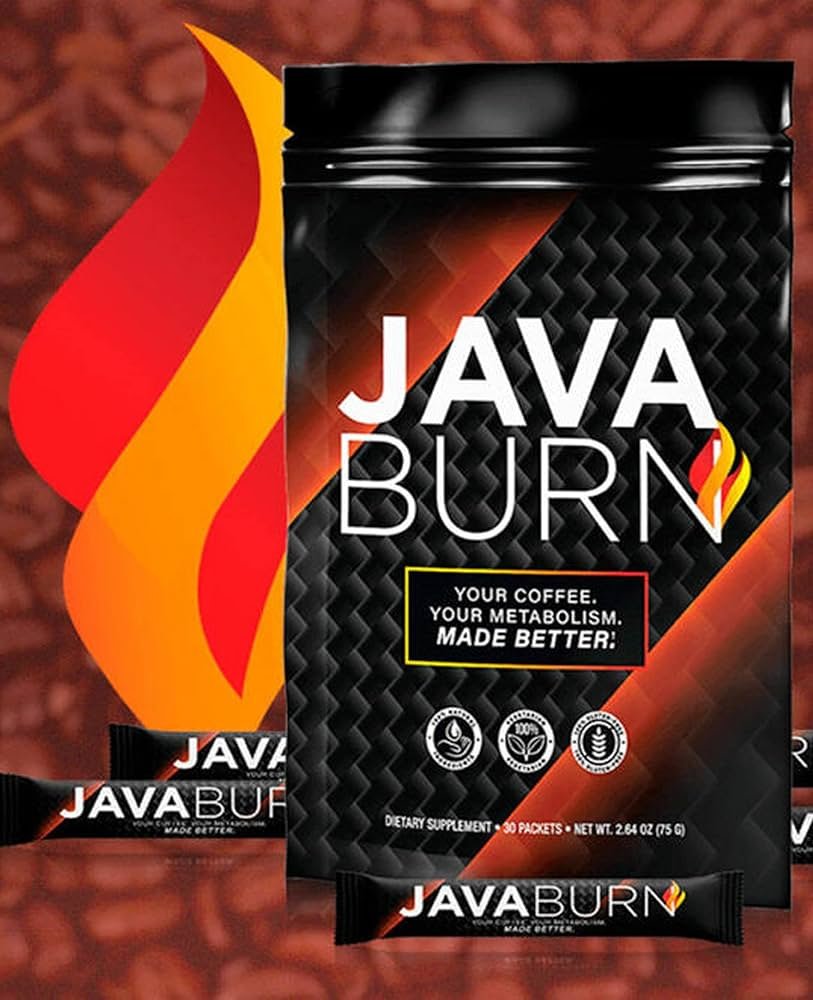
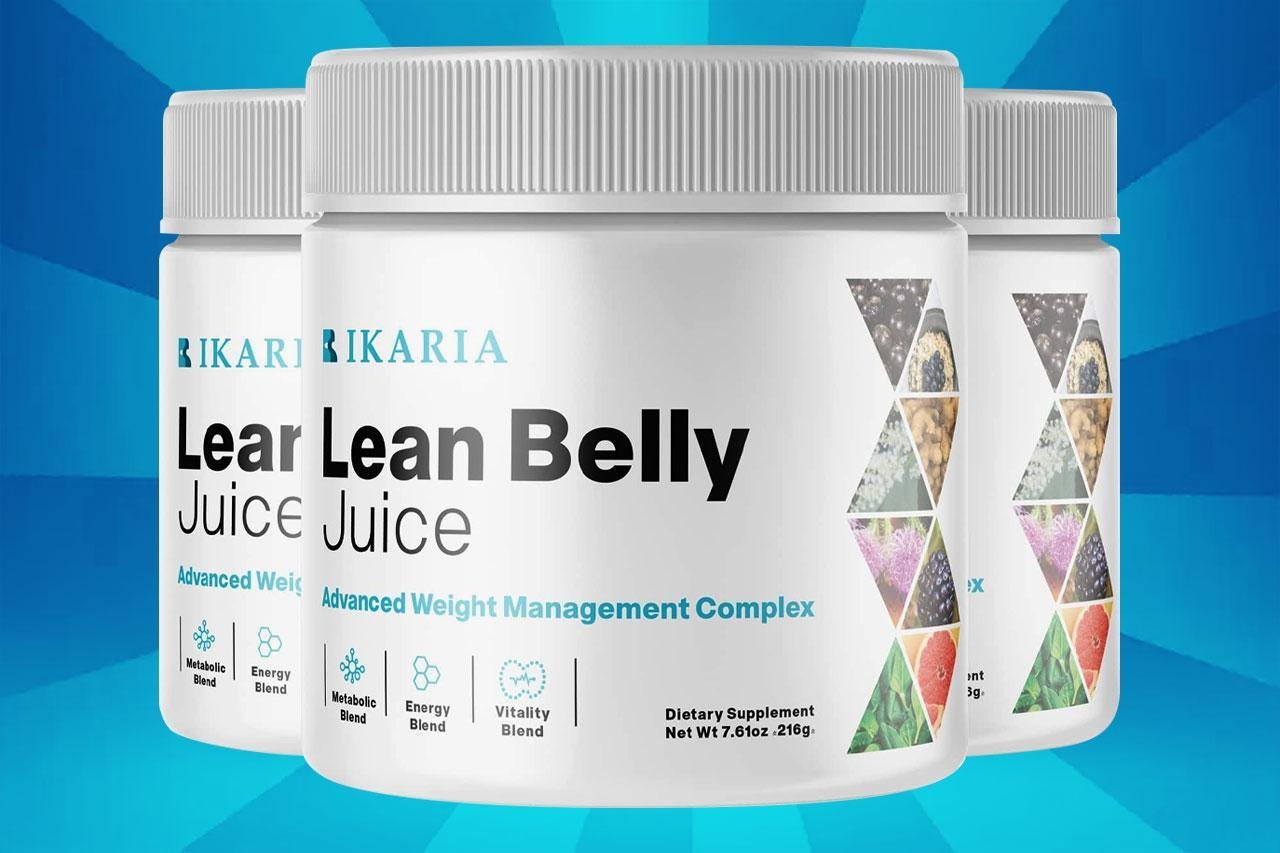
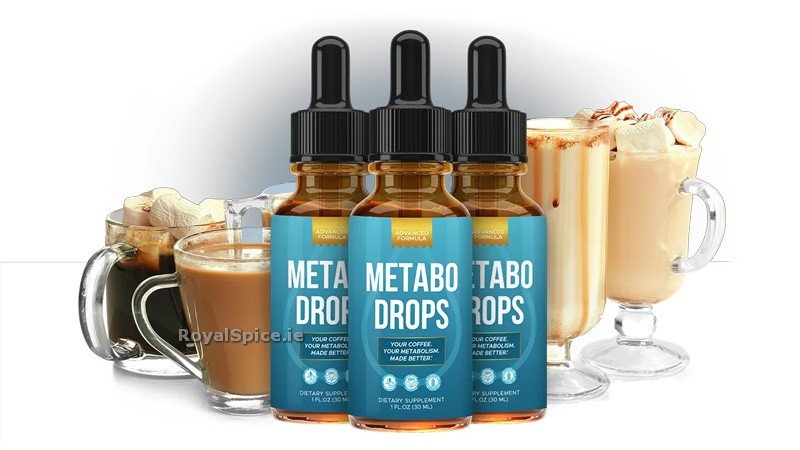
Formulas in the SourceLean directory that list Green Tea Extract or a closely related form among their ingredients:
Related ingredients
Explore other compounds commonly found in weight-loss formulas:
Ingredient insights, explained
Get plain-language ingredient guides and formula breakdowns in your inbox.
Affiliate disclosure: SourceLean is reader-supported. When you buy through links on this site, we may earn a commission at no extra cost to you. Checkout is always handled on the official product website.