Ashwagandha
An adaptogen for the stress-and-cortisol side of weight gain.
- Type
- Adaptogenic herb
- Typical research dose
- 300–600 mg standardized extract/day
- Best taken
- Daily; some prefer evening
- Caffeine
- No
- Main food source
- Not a food (root extract)
- Evidence level
- Moderate for stress/cortisol
Ashwagandha is an Ayurvedic herb classed as an adaptogen — a plant said to help the body cope with stress. In weight formulas it targets a specific angle: the link between chronic stress, the hormone cortisol, and stress-driven eating and abdominal fat.
What is Ashwagandha?
Ashwagandha (Withania somnifera) is a small shrub whose roots have been used in Ayurvedic medicine for centuries. Modern supplements use standardized root extracts, the best known being KSM-66 (a root-only extract) and Sensoril (which also includes leaf). Both are standardized for active compounds called withanolides.
How Ashwagandha works in the body
As an adaptogen, ashwagandha appears to moderate the body’s stress response, including levels of cortisol, the main stress hormone. Because chronically high cortisol is associated with increased appetite, cravings for calorie-dense food, and storage of fat around the abdomen, lowering stress and cortisol is the proposed route by which ashwagandha may support weight management — indirectly, by addressing stress-driven eating.
What the research says about Ashwagandha and weight
Ashwagandha has reasonable human evidence for its core claim: multiple trials show it reduces perceived stress and anxiety and lowers cortisol compared with placebo. Evidence for direct weight loss is thinner, but some studies in stressed adults report modest reductions in stress-related eating, body weight and cortisol together. It is best understood as a stress tool with a possible knock-on weight benefit, not a fat-burner.
How much Ashwagandha to take
Trials commonly use 300–600 mg of a standardized root extract per day, sometimes split into two doses. Standardization to a stated withanolide percentage matters, since raw powder is much less concentrated than the extracts used in research.
Food sources and supplement forms
Ashwagandha is not a dietary food; it is taken as a root powder or, more effectively, a standardized extract. Traditional preparations often mix the powder into warm milk.
Why Ashwagandha appears in weight-loss formulas
It appears in weight formulas to cover the stress-and-cortisol pathway that many fat-burners ignore — useful for people whose weight struggles are tied to stress, poor sleep or emotional eating. It is often paired with magnesium, L-theanine or other calming ingredients.
Safety, side effects and interactions
Ashwagandha is generally well tolerated, but it has meaningful cautions. It can cause drowsiness or digestive upset; it may affect thyroid hormone levels (potentially a concern for those with thyroid conditions); and because it can stimulate the immune system, people with autoimmune conditions should be careful. It is not recommended in pregnancy. Rare reports of liver issues mean quality and sensible dosing matter, and anyone on sedatives, thyroid or immune medication should seek advice.
How to choose a quality Ashwagandha supplement
Choose a standardized extract (such as KSM-66 or Sensoril) with a stated withanolide percentage rather than plain root powder, dosed at the studied 300–600 mg. If you have a thyroid or autoimmune condition or take related medication, talk to a doctor before starting.
The cortisol–belly-fat link
Chronic stress keeps cortisol elevated, and high cortisol is associated with stronger cravings and fat storage around the midsection — the specific connection that adaptogens like ashwagandha are used to target in weight formulas.
Common questions about Ashwagandha
Does ashwagandha help you lose weight?
How much ashwagandha should I take?
Does ashwagandha really lower cortisol?
Who should avoid ashwagandha?
Can ashwagandha affect the thyroid?
When should I take ashwagandha?
Supplements with Ashwagandha
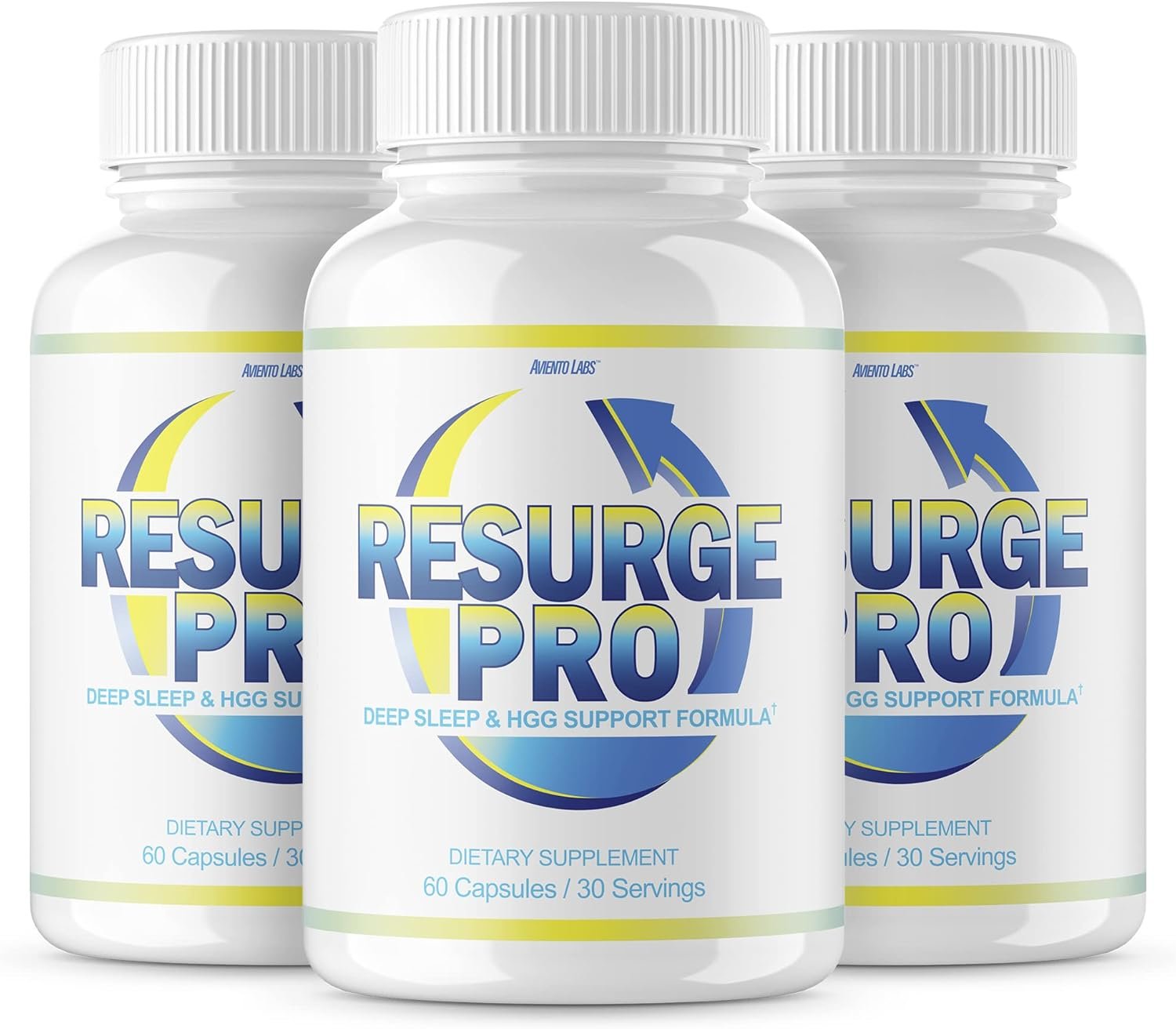
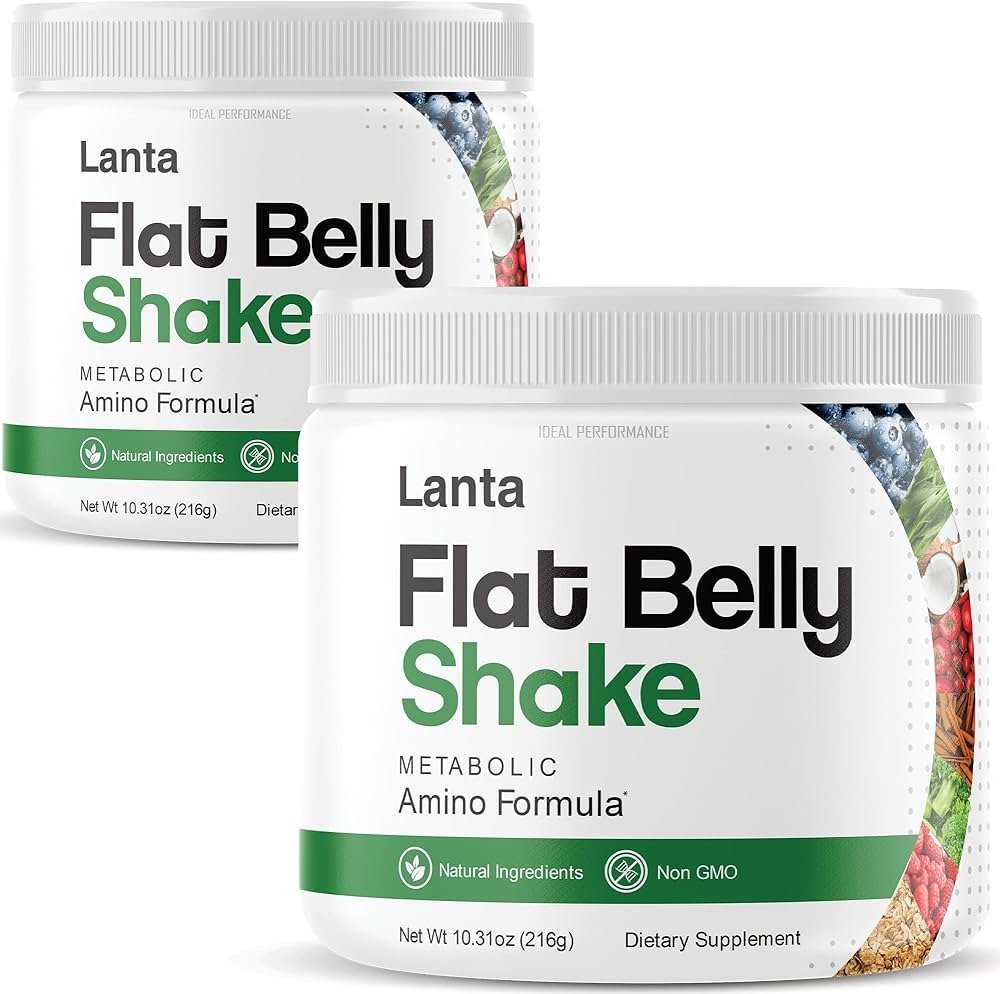
Formulas in the SourceLean directory that list Ashwagandha or a closely related form among their ingredients:

Related ingredients
Explore other compounds commonly found in weight-loss formulas:
Ingredient insights, explained
Get plain-language ingredient guides and formula breakdowns in your inbox.
Affiliate disclosure: SourceLean is reader-supported. When you buy through links on this site, we may earn a commission at no extra cost to you. Checkout is always handled on the official product website.