Fucoxanthin
A brown-seaweed pigment with intriguing early research — and thin human data.
- Type
- Marine carotenoid pigment
- Typical dose
- Not established (a few mg/day in studies)
- Best taken
- With a fat-containing meal
- Caffeine
- No
- Main food source
- Brown seaweed (wakame, kombu)
- Evidence level
- Early/preclinical
Fucoxanthin is a brownish pigment from edible brown seaweed that has generated interest for its effects on fat metabolism in early research. It is a genuinely novel ingredient — but one where the science is still mostly in the laboratory, not yet in large human trials.
What is Fucoxanthin?
Fucoxanthin is a carotenoid — a coloured plant compound — found in brown seaweeds such as wakame, kombu and certain microalgae, where it assists photosynthesis and gives the seaweed its brownish tint. In supplements it is delivered as a concentrated brown-seaweed extract, since the amount in a normal serving of seaweed is small.
How Fucoxanthin works in the body
The mechanism that excites researchers is its apparent effect on white fat tissue: in laboratory and animal studies, fucoxanthin appears to promote the expression of a protein (UCP1) that makes fat cells burn energy as heat, in effect nudging energy-storing white fat to behave more like calorie-burning brown fat. It is also studied for supporting healthy blood sugar and fat metabolism more broadly.
What the research says about Fucoxanthin and weight
This is the key caveat: most of the encouraging evidence comes from cell and animal studies, with only limited human data. A small number of human trials, often using fucoxanthin combined with other compounds, have reported modest effects, but large, well-controlled human studies are lacking. Fucoxanthin is best viewed as a promising but unproven ingredient where the marketing currently outpaces the human evidence.
How much Fucoxanthin to take
There is no firmly established human dose. Studies have explored a few milligrams per day of fucoxanthin, usually as a standardized seaweed extract. Because it is fat-soluble, taking it with a meal containing fat likely improves absorption.
Food sources and supplement forms
It comes from edible brown seaweeds, a staple of Japanese and Korean cuisine, though the concentration in food is low — which is why supplements use concentrated extracts.
Why Fucoxanthin appears in weight-loss formulas
It appears in metabolic drinks and capsules for its novel marine-carotenoid story and its intriguing “browning of fat” mechanism, which makes a compelling differentiator from more common ingredients. It is sometimes paired with other metabolic compounds.
Safety, side effects and interactions
Fucoxanthin appears well tolerated in the studies done so far, but long-term human safety data are limited. A practical consideration is that seaweed sources can contain iodine, which in excess can affect thyroid function, so those with thyroid conditions should be mindful of the source. As with any newer ingredient, caution is sensible in pregnancy or alongside medication.
How to choose a quality Fucoxanthin supplement
Look for a standardized brown-seaweed extract that states its fucoxanthin content, and take it with a fat-containing meal for absorption. Keep expectations measured given the limited human evidence, and if you have a thyroid condition, check the iodine content of the source.
Turning white fat “brown”
Fucoxanthin’s most intriguing finding is that, in the lab, it can switch on a protein that makes energy-storing white fat cells burn calories as heat — behaving more like brown fat. Whether this meaningfully translates to people is still an open question.
Common questions about Fucoxanthin
Does fucoxanthin help you lose weight?
How much fucoxanthin should I take?
What is the ‘fat browning’ effect?
Where does fucoxanthin come from?
Is fucoxanthin safe?
Why is the evidence considered weak?
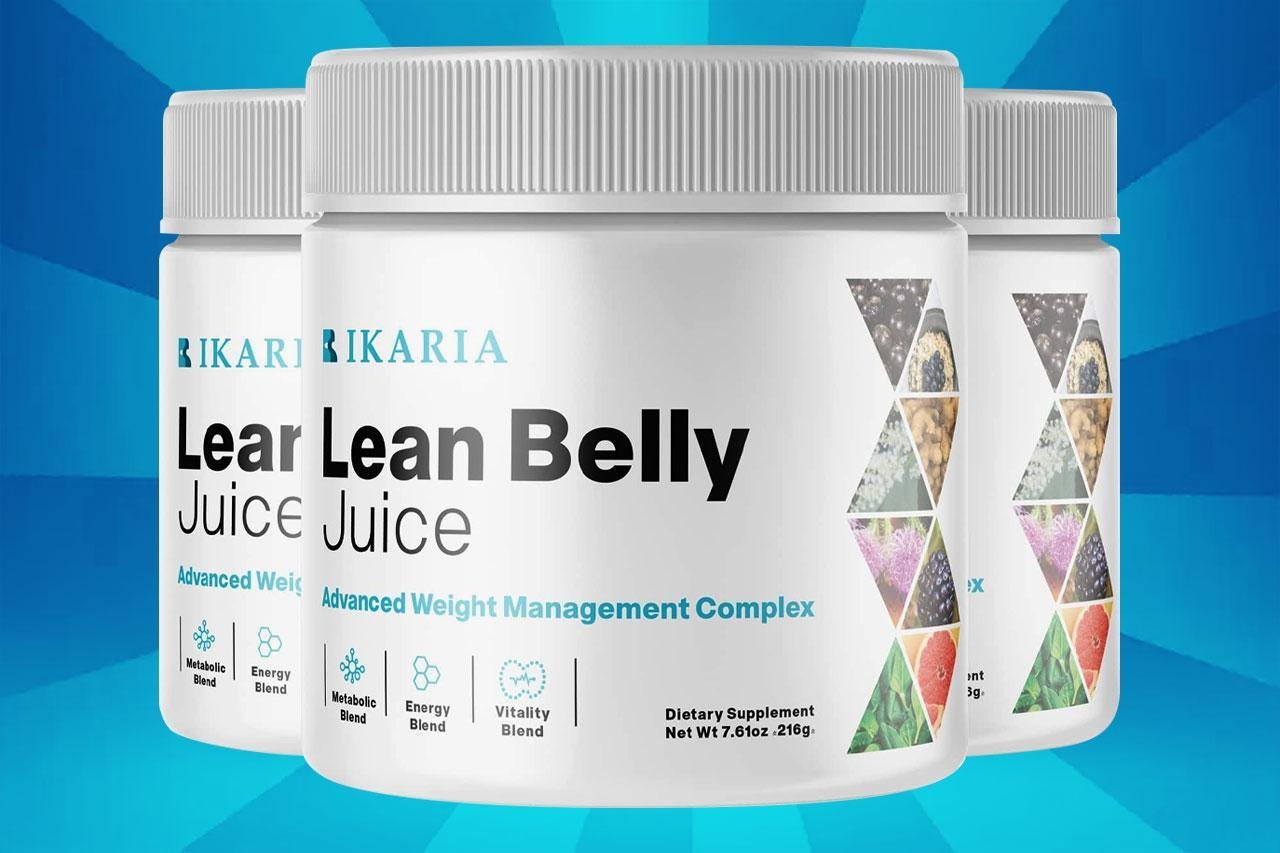
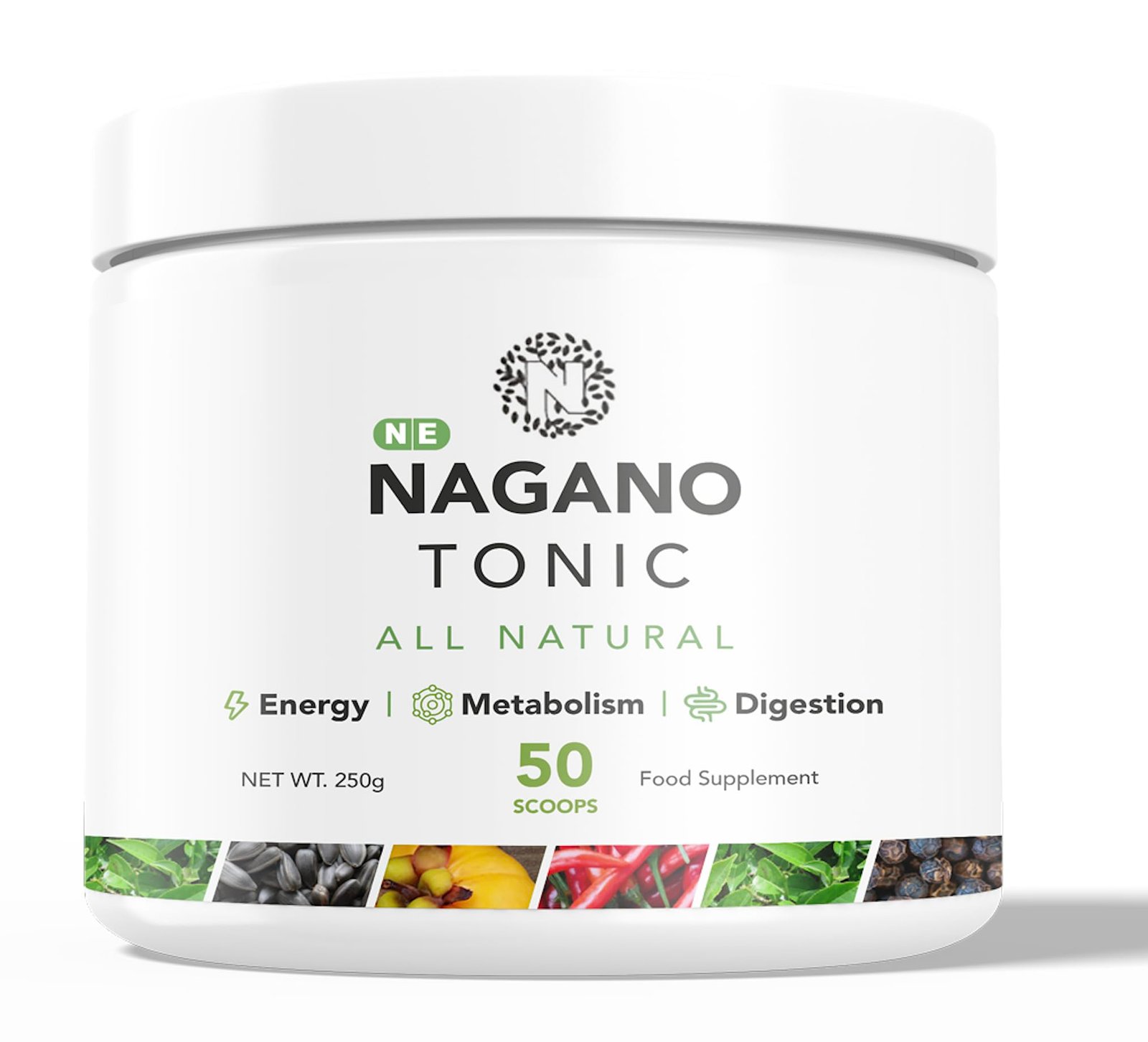
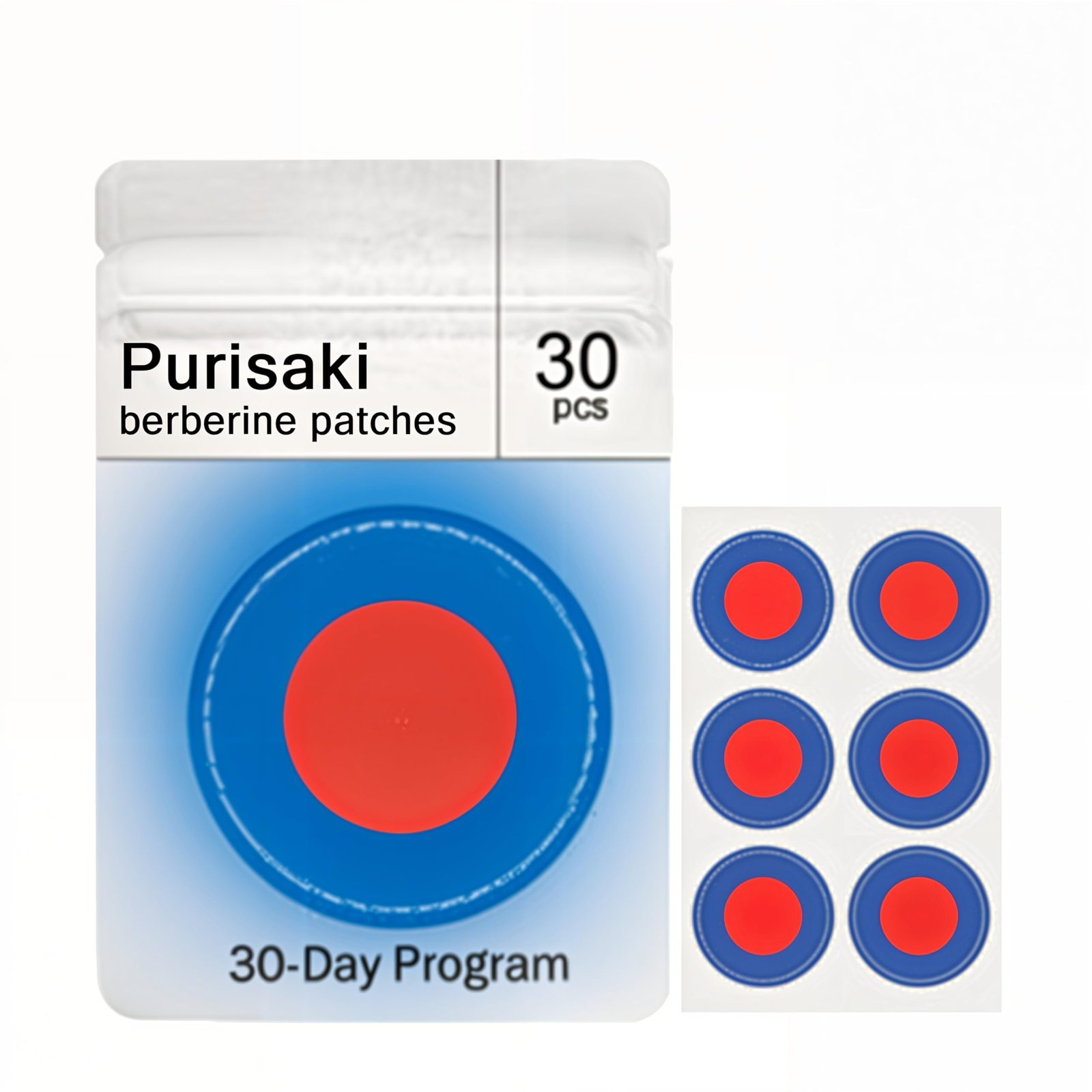
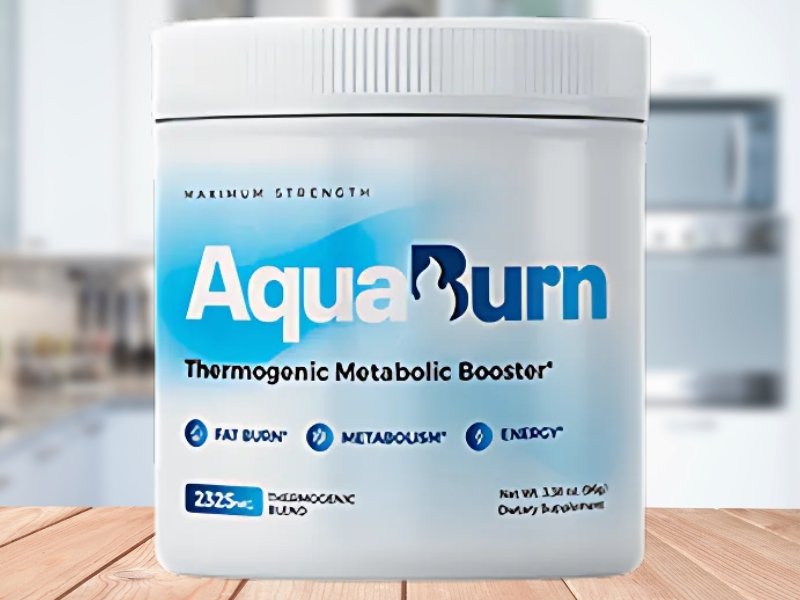
Supplements with Fucoxanthin
Formulas in the SourceLean directory that list Fucoxanthin or a closely related form among their ingredients:
Related ingredients
Explore other compounds commonly found in weight-loss formulas:
Ingredient insights, explained
Get plain-language ingredient guides and formula breakdowns in your inbox.
Affiliate disclosure: SourceLean is reader-supported. When you buy through links on this site, we may earn a commission at no extra cost to you. Checkout is always handled on the official product website.