Probiotics
Live bacteria targeting the emerging link between your gut and your weight.
- Type
- Live beneficial bacteria
- Typical dose
- Several–50 billion CFU/day
- Best taken
- Consistently; many prefer with food
- Caffeine
- No
- Main food source
- Yoghurt, kefir, fermented foods
- Evidence level
- Emerging — strain-specific
Probiotics are live beneficial bacteria, measured in colony-forming units (CFU), used to support a balanced gut microbiome. They feature in a newer wave of weight formulas built around the growing evidence that the bacteria in your gut influence appetite, inflammation and how you store fat.
What is Probiotics?
Probiotics are specific strains of live microorganisms — most commonly from the Lactobacillus and Bifidobacterium families — that confer a benefit when taken in adequate amounts. They are measured in colony-forming units (CFU), and crucially, effects are strain-specific: one Lactobacillus strain can behave quite differently from another, so the exact strains on a label matter more than the total count alone.
How Probiotics works in the body
The gut microbiome influences weight through several routes: it affects how many calories you extract from food, the production of short-chain fatty acids that signal fullness, levels of low-grade inflammation tied to insulin resistance, and even appetite hormones. Specific probiotic strains are studied for nudging the balance of gut bacteria in a direction associated with healthier weight and metabolism.
What the research says about Probiotics and weight
This is a genuinely promising but still-emerging area. Some strains — certain Lactobacillus gasseri and Bifidobacterium strains, for example — have shown modest reductions in body weight and belly fat in trials, while others show nothing, underscoring how strain-specific the effects are. Overall, probiotics for weight are best seen as a supportive, gradual influence on the gut rather than a proven weight-loss treatment.
How much Probiotics to take
Products commonly provide anywhere from a few billion to tens of billions of CFU per day. More is not automatically better; the right strains at a sensible, viable dose matter more than a huge number. Consistency over weeks is needed, and viability through shelf life and stomach acid is a real-world concern.
Food sources and supplement forms
Live bacteria occur naturally in fermented foods such as yoghurt, kefir, sauerkraut, kimchi and miso, which also bring other nutrients. Supplements offer specific strains at measured doses, sometimes with delayed-release capsules to protect them from stomach acid.
Why Probiotics appears in weight-loss formulas
They appear in gut-focused weight formulas because the microbiome is increasingly tied to body weight, and they offer a stimulant-free, mechanism-driven angle distinct from thermogenics. They are often paired with prebiotic fibres such as inulin, which feed the bacteria — a combination sometimes called a “synbiotic.”
Safety, side effects and interactions
Probiotics are generally safe for healthy people. Some notice temporary gas, bloating or changes in bowel habits in the first days as the gut adjusts. People who are seriously immunocompromised, critically ill, or have certain medical devices should consult a doctor first, as live bacteria carry a small infection risk in those situations.
How to choose a quality Probiotics supplement
Look for products that name specific strains (not just “Lactobacillus blend”) and ideally cite the strains used in research, with the CFU guaranteed through the expiry date rather than only at manufacture. Pairing with a prebiotic fibre can help the strains establish.
Strains matter more than the CFU number
Two probiotics can both say “20 billion CFU” yet do completely different things, because effects are strain-specific. The exact strains named on the label tell you far more than the headline bacteria count.
Common questions about Probiotics
Can probiotics help with weight loss?
How many CFU do I need?
What’s the gut-weight connection?
Do I need a prebiotic too?
Are probiotics safe?
Can I just eat yoghurt instead?
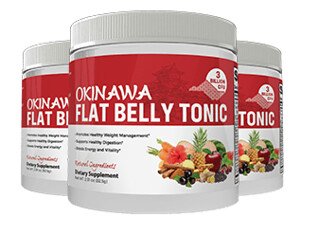
Supplements with Probiotics
Formulas in the SourceLean directory that list Probiotics or a closely related form among their ingredients:

Related ingredients
Explore other compounds commonly found in weight-loss formulas:
Ingredient insights, explained
Get plain-language ingredient guides and formula breakdowns in your inbox.
Affiliate disclosure: SourceLean is reader-supported. When you buy through links on this site, we may earn a commission at no extra cost to you. Checkout is always handled on the official product website.