Hibiscus
The tart red tea
- Type
- Antioxidant flower
- Typical amount
- Hibiscus tea studies often use a few grams of dried flower; extract doses vary.
- Best taken
- As directed on the formula label
- Caffeine
- None
- Main source
- It comes from the dried calyces of the hibiscus flower, commonly brewed as a tart red tea.
- Evidence level
- Limited / emerging
Hibiscus is a tart, deep-red flower (Hibiscus sabdariffa) used in teas and rich in antioxidant anthocyanins.
What is Hibiscus?
Hibiscus is a tart, deep-red flower (Hibiscus sabdariffa) used in teas and rich in antioxidant anthocyanins.
How Hibiscus works in the body
It is studied for antioxidant effects, fluid balance and supporting healthy blood pressure and metabolic markers. In practical terms, this is the mechanism weight-loss formulas are counting on when they include hibiscus.
What the research says about Hibiscus and weight
Human research on Hibiscus specifically for weight is limited or early-stage. Much of the rationale comes from traditional use, lab studies, or its general nutritional role. That doesn’t mean it doesn’t help — only that strong clinical proof for a weight effect isn’t established yet.
How much Hibiscus to take
Hibiscus tea studies often use a few grams of dried flower; extract doses vary. Always check the label of your specific formula — blends often contain less hibiscus than studies use, especially inside proprietary blends that don’t disclose exact amounts.
Food sources and supplement forms
It comes from the dried calyces of the hibiscus flower, commonly brewed as a tart red tea.
Why Hibiscus appears in weight-loss formulas
It appears in tonics and drinks for its antioxidant content, pleasant tartness and fluid-balance research.
Safety, side effects and interactions
Generally safe as a tea; large amounts may lower blood pressure and could interact with some medications. As with any supplement, if you are pregnant, breastfeeding, taking medication or managing a health condition, check with your doctor first.
How to choose a quality Hibiscus supplement
When choosing a Hibiscus product or a formula containing it, look for one that discloses the actual amount of hibiscus (not just a proprietary-blend total), uses a recognizable form, and is made by a brand with third-party testing or GMP manufacturing. More isn’t always better — match the dose to what research and the label suggest, and be wary of products that hide quantities behind a blend.
The tart red tea
Hibiscus gives many herbal teas their ruby colour and sour kick, thanks to the same anthocyanin antioxidants studied for metabolism.
Common questions about Hibiscus
What does Hibiscus do for weight loss?
How much Hibiscus should I take?
Is Hibiscus safe?
How strong is the evidence for Hibiscus?
Will Hibiscus alone make me lose weight?
Does the dose in supplements match research?
Supplements with Hibiscus
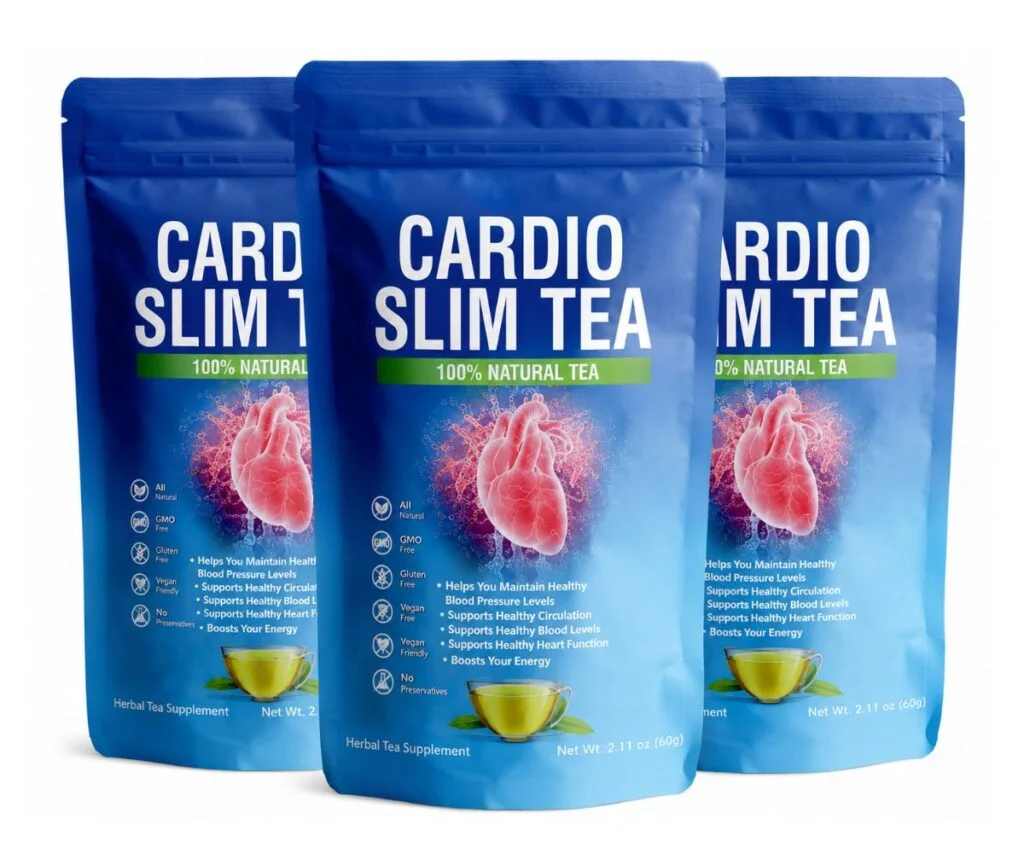
Formulas in the SourceLean directory that list Hibiscus or a closely related form among their ingredients:
Related ingredients
Explore other compounds commonly found in weight-loss formulas:
Ingredient insights, explained
Get plain-language ingredient guides and formula breakdowns in your inbox.
Affiliate disclosure: SourceLean is reader-supported. When you buy through links on this site, we may earn a commission at no extra cost to you. Checkout is always handled on the official product website.