Vitamin B12
An essential energy-metabolism vitamin — helpful if you’re low, hype if you’re not.
- Type
- Essential water-soluble vitamin
- Typical dose
- 2.4 mcg needed; supplements often higher
- Best taken
- Any time; with food is fine
- Caffeine
- No
- Main food source
- Meat, fish, eggs, dairy
- Evidence level
- Strong if deficient; weak otherwise
Vitamin B12 is an essential nutrient your body needs for energy metabolism, nerve function and red-blood-cell production. It is a fixture in “energy” and weight formulas — but the honest truth is that extra B12 only helps if you are actually low.
What is Vitamin B12?
Vitamin B12, or cobalamin, is a water-soluble vitamin essential for life. Supplements use forms such as methylcobalamin (the active form) and cyanocobalamin (a stable, common form). The body stores B12 in the liver, so deficiency can take years to develop — but it is genuinely common in older adults, vegans and people on certain medications.
How Vitamin B12 works in the body
B12 is a required cofactor in turning food into usable cellular energy and in making DNA and red blood cells, which carry oxygen. When B12 is low, the result is fatigue, weakness and low energy — so correcting a deficiency can produce a real lift. In someone who already has enough, however, extra B12 does not create additional energy; the surplus is simply excreted.
What the research says about Vitamin B12 and weight
The evidence is clear and two-sided. Correcting a true B12 deficiency reliably improves energy, mood and cognition. But there is no good evidence that extra B12 boosts energy, metabolism or weight loss in people who are not deficient — the popular “B12 for energy and slimming” positioning rests largely on that confusion. It is a fix for a shortfall, not a stimulant.
How much Vitamin B12 to take
The daily requirement is tiny — around 2.4 mcg — but because absorption is limited and falls with age, supplements and injections often use much higher amounts, which the body excretes if not needed. High oral doses are used specifically to overcome poor absorption in deficiency.
Food sources and supplement forms
B12 is found almost exclusively in animal foods: meat, fish, shellfish, eggs and dairy. Plant foods contain virtually none, which is why vegans are advised to supplement. Some foods are fortified with it.
Why Vitamin B12 appears in weight-loss formulas
It appears in energy and weight formulas to support normal energy metabolism and to help anyone who is marginally low — a reasonable inclusion — though its presence is often used to imply an energising effect that only materialises in deficiency. It is frequently grouped with other B vitamins.
Safety, side effects and interactions
B12 is considered very safe, even at high doses, because excess is excreted in the urine; there is no established toxic level for oral B12. The main practical issue is the opposite — undetected deficiency, which can cause irreversible nerve damage if left untreated, so persistent fatigue or neurological symptoms warrant testing rather than guesswork.
How to choose a quality Vitamin B12 supplement
If you eat animal foods and feel well, you likely do not need a high-dose B12 product. If you are vegan, over 50, or on acid-reducing or diabetes medication (which can lower B12), a supplement makes sense — methylcobalamin or cyanocobalamin both work. Persistent fatigue is better investigated with a blood test than self-treated.
Why extra B12 only helps if you’re low
B12 is essential for turning food into energy, so a deficiency causes real fatigue — and fixing it lifts energy. But in someone who already has enough, the body simply excretes the excess, which is why “B12 for energy” only delivers when you were actually short.
Common questions about Vitamin B12
Does vitamin B12 help with weight loss?
Will B12 give me more energy?
Who is at risk of B12 deficiency?
How much B12 do I need?
Is it possible to take too much B12?
Which form of B12 is best?
Supplements with Vitamin B12
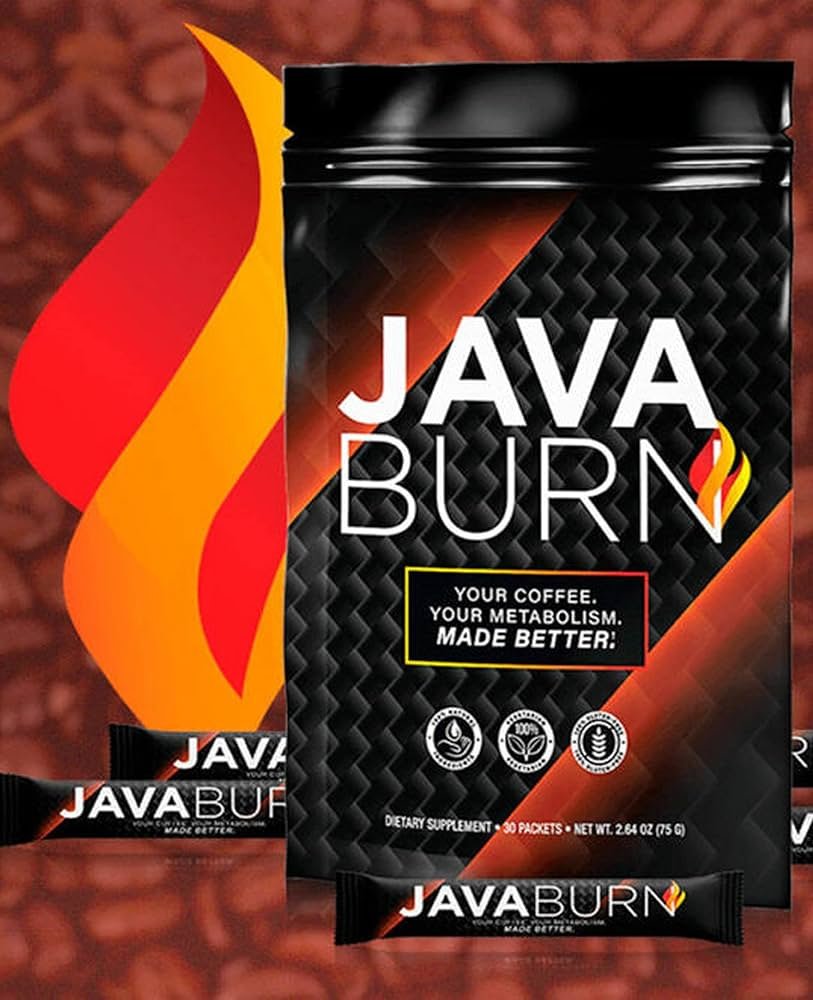
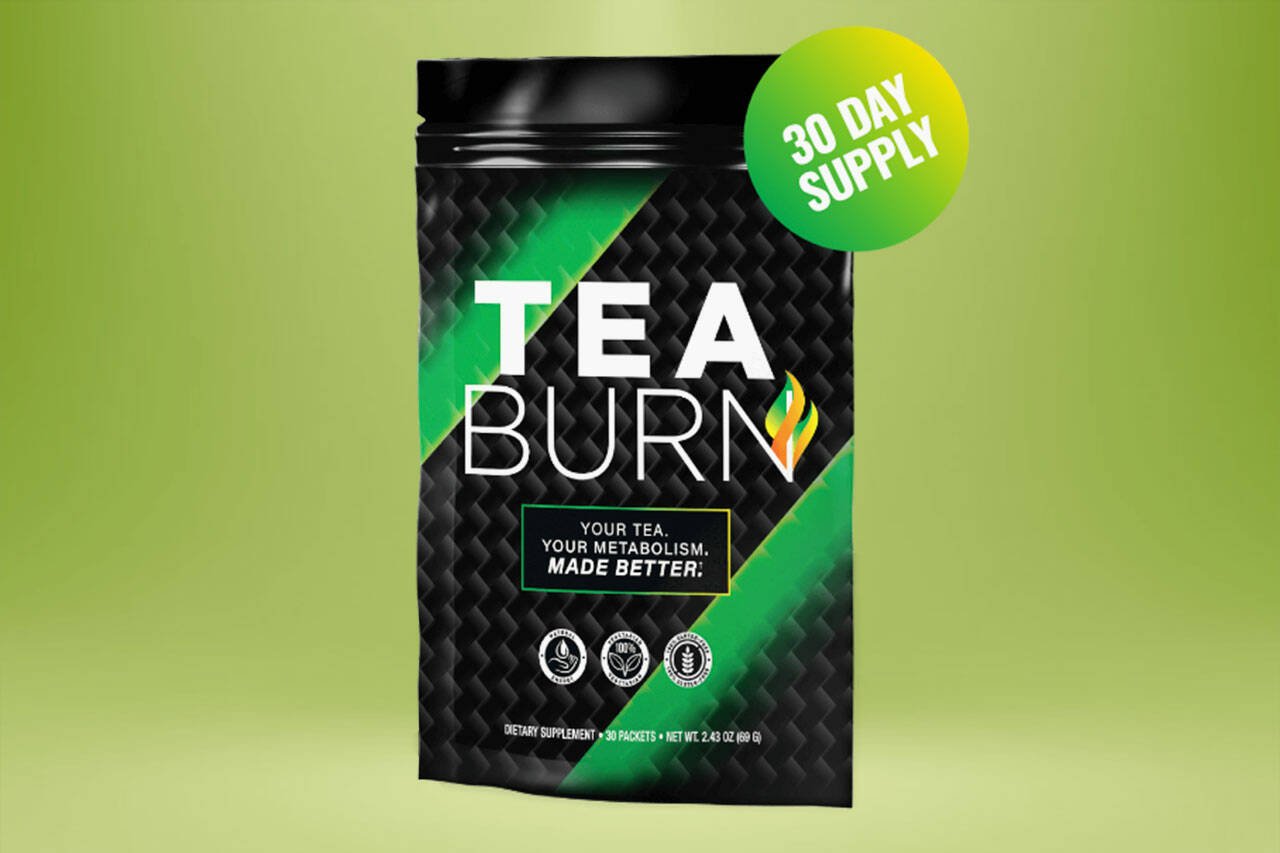
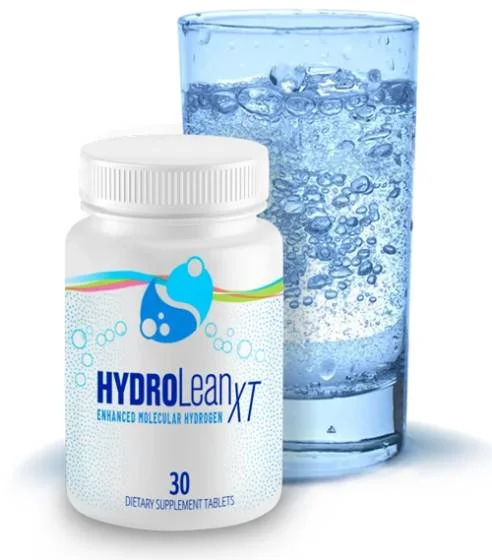
Formulas in the SourceLean directory that list Vitamin B12 or a closely related form among their ingredients:

Related ingredients
Explore other compounds commonly found in weight-loss formulas:
Ingredient insights, explained
Get plain-language ingredient guides and formula breakdowns in your inbox.
Affiliate disclosure: SourceLean is reader-supported. When you buy through links on this site, we may earn a commission at no extra cost to you. Checkout is always handled on the official product website.