Berberine
A plant alkaloid with serious metabolic research — and serious drug interactions.
- Type
- Plant alkaloid
- Typical research dose
- 1,000–1,500 mg/day (split)
- Best taken
- In divided doses with meals
- Caffeine
- No
- Main food source
- Not common in food
- Evidence level
- Moderate–strong for metabolism
Berberine is a bright-yellow compound extracted from plants such as barberry and goldenseal, and one of the most-studied natural ingredients for blood sugar, cholesterol and metabolic health. It has earned a reputation as a genuinely active compound — which also means it can interact meaningfully with medications.
What is Berberine?
Berberine is an alkaloid found in the roots, bark and stems of several plants, including barberry (Berberis vulgaris), goldenseal and Oregon grape. It has a long history in traditional Chinese and Ayurvedic medicine. In supplements it is usually supplied as berberine HCl, a salt form, and its vivid yellow colour is a giveaway of its presence.
How Berberine works in the body
Berberine’s headline mechanism is activating AMP-activated protein kinase (AMPK), an enzyme often called the body’s “metabolic master switch.” Switching on AMPK shifts cells toward burning glucose and fat for energy and away from storing them — broadly similar to some of the cellular effects of exercise and calorie restriction. It also influences gut bacteria and slows the breakdown of carbohydrates, which together support steadier blood sugar.
What the research says about Berberine and weight
Berberine has stronger human evidence than most botanical ingredients. Clinical trials show it can meaningfully lower fasting blood sugar and improve cholesterol and triglyceride markers, with effects on blood sugar that have been compared to some standard medications in head-to-head studies. Weight effects are more modest and indirect, generally seen as a by-product of improved insulin sensitivity rather than a direct fat-burning action.
How much Berberine to take
The studied dose is around 1,000–1,500 mg per day, almost always split into two or three doses with meals because berberine is poorly absorbed and can upset the stomach in one large dose. Many multi-ingredient weight formulas include far less than this, or fold it into an undisclosed proprietary blend — in which case it is unlikely to reach a clinically meaningful amount.
Food sources and supplement forms
Berberine is not present in everyday foods in any meaningful amount, so it is effectively a supplement-only ingredient, extracted and concentrated from berberine-rich plants. More absorbable formats, such as dihydroberberine, are sometimes used to improve uptake.
Why Berberine appears in weight-loss formulas
It appears in metabolic and weight formulas because of its AMPK mechanism and its strong glucose- and lipid-related research, which give it more scientific credibility than many botanicals. It is often paired with ingredients such as alpha-lipoic acid, cinnamon or chromium in blood-sugar-leaning formulas.
Safety, side effects and interactions
The most important point about berberine is its interactions. It inhibits drug-metabolizing enzymes (notably CYP3A4) and can raise blood levels of many medications, and it can compound the blood-sugar-lowering effect of diabetes drugs. Digestive side effects — cramping, diarrhea, constipation — are common, especially early on. It is not recommended in pregnancy or breastfeeding, and anyone on prescription medication should consult a doctor before taking it.
How to choose a quality Berberine supplement
Look for a product that discloses the berberine dose and lets you reach roughly 1,000–1,500 mg per day in divided doses — a single small amount buried in a blend will do little. Berberine HCl is standard; dihydroberberine is marketed for better absorption. As always, third-party testing is reassuring given the variability of botanical extracts.
The “exercise in a capsule” comparison
By switching on AMPK — the same enzyme activated by exercise and fasting — berberine mimics some of their cellular signals, which is why it is sometimes (over-enthusiastically) called “exercise in a capsule.” The reality is more modest, but the mechanism is real.
Common questions about Berberine
Does berberine help with weight loss?
How much berberine should I take?
Can I take berberine with my medications?
Why does berberine upset my stomach?
Is berberine the same as Ozempic or metformin?
How long does berberine take to work?
Supplements with Berberine
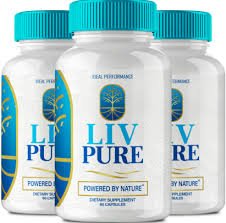
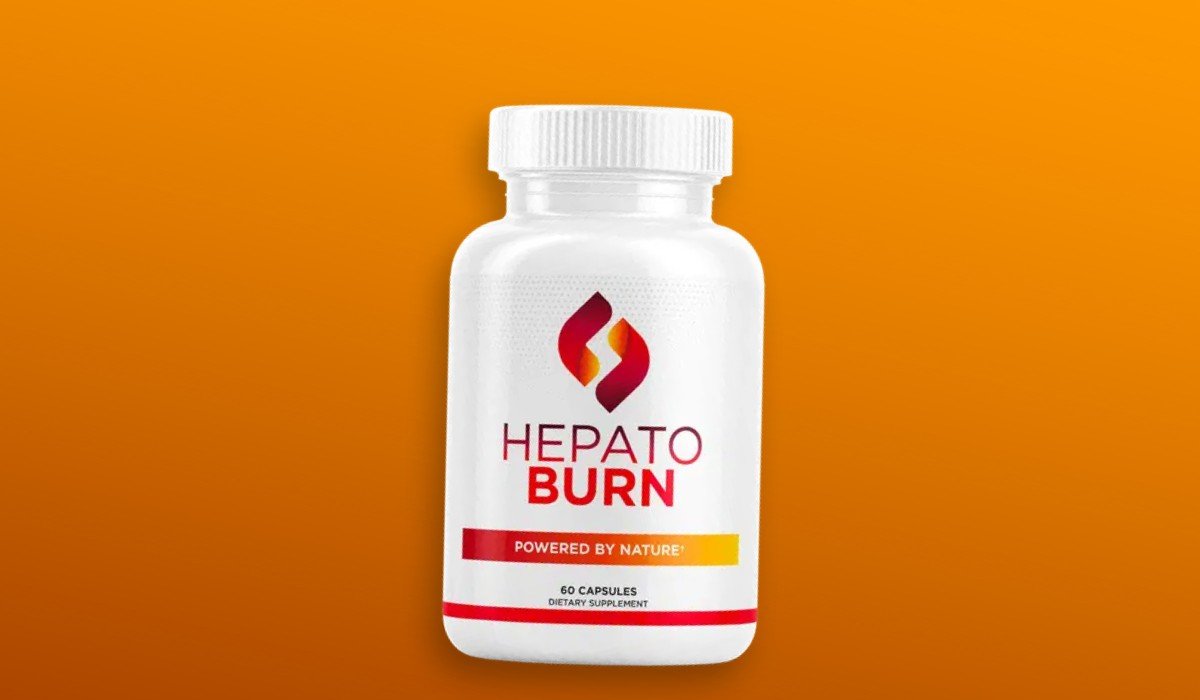
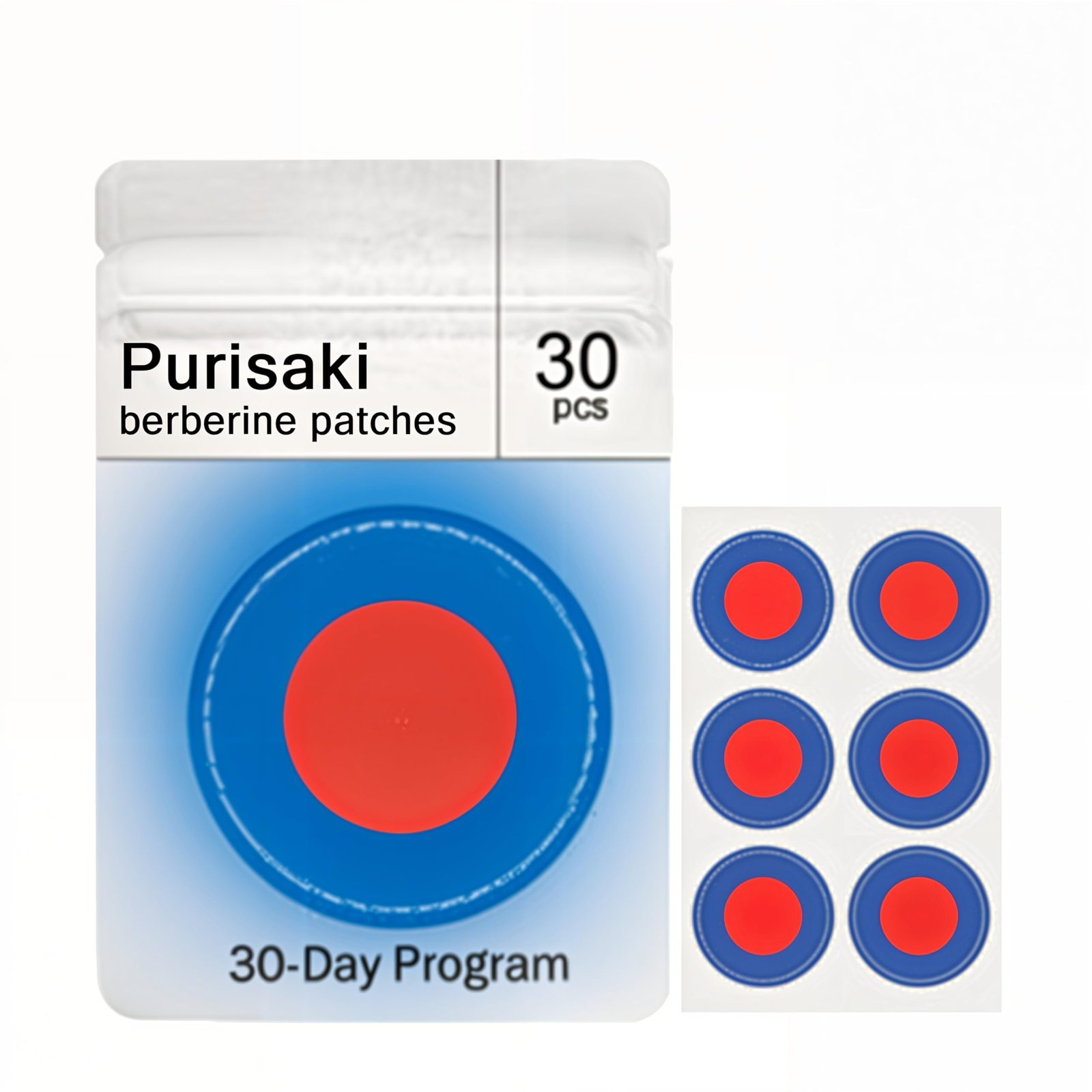
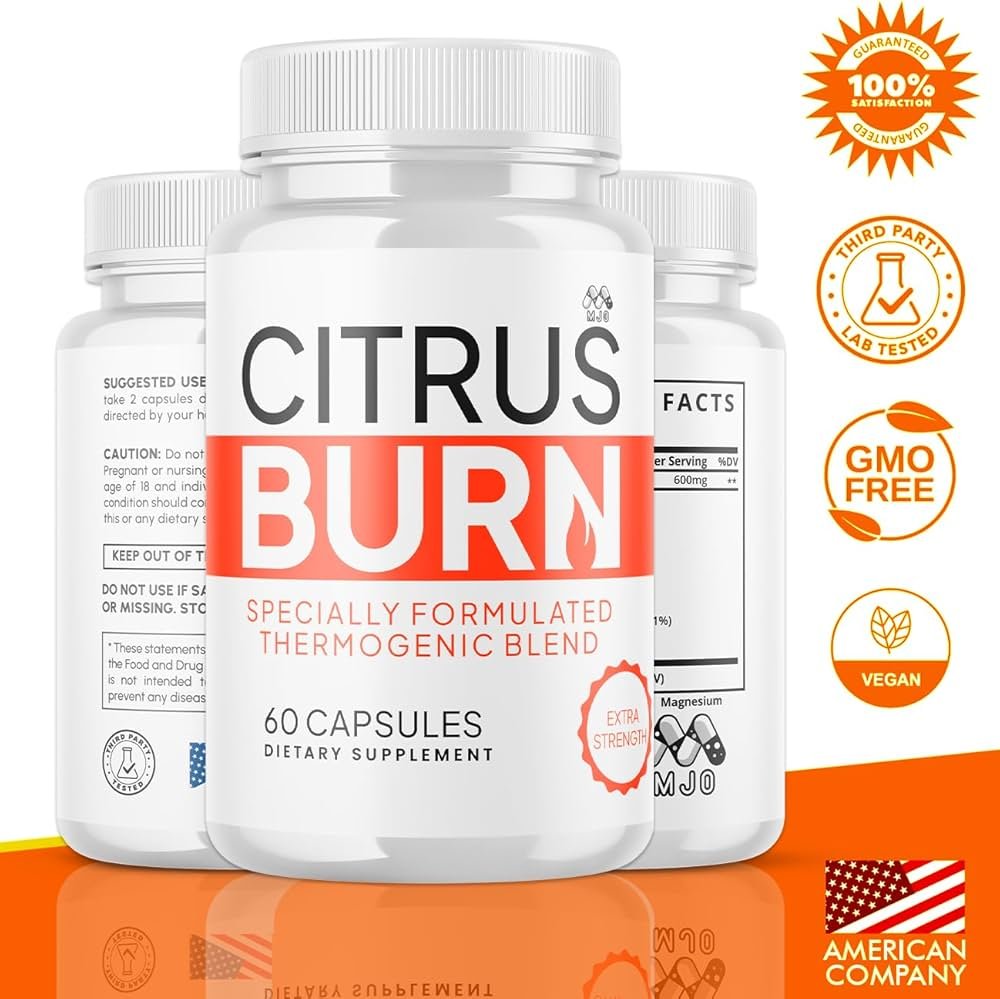
Formulas in the SourceLean directory that list Berberine or a closely related form among their ingredients:
Related ingredients
Explore other compounds commonly found in weight-loss formulas:
Ingredient insights, explained
Get plain-language ingredient guides and formula breakdowns in your inbox.
Affiliate disclosure: SourceLean is reader-supported. When you buy through links on this site, we may earn a commission at no extra cost to you. Checkout is always handled on the official product website.