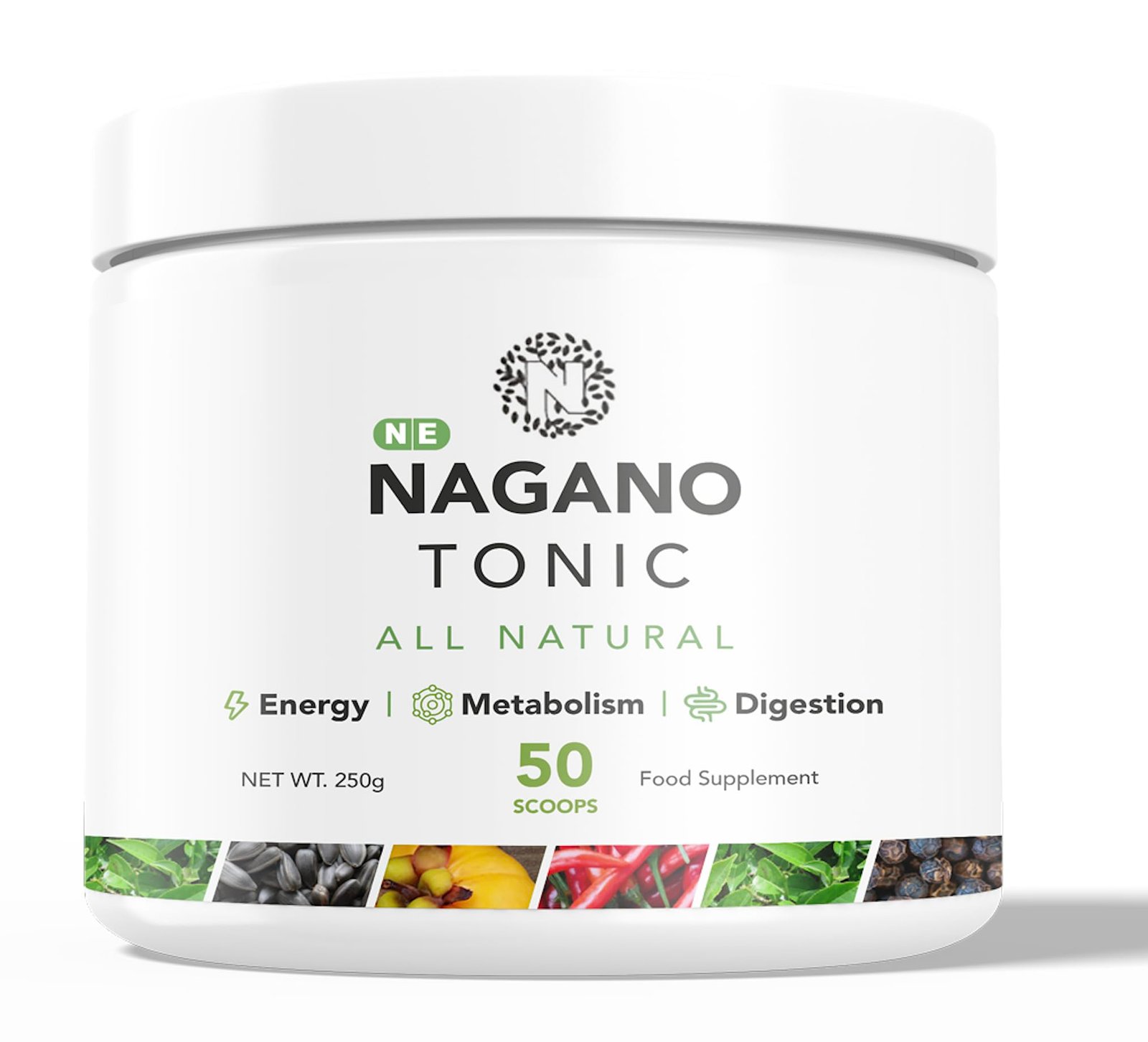
Nagano Tonic
Japanese-inspired weight-loss tonic with 13 ingredients
Nagano Tonic is a powdered metabolic tonic designed to be mixed into water or a drink each morning; it claims to ignite metabolism, support fat burning, and enhance energy. It’s marketed as a Japanese-inspired metabolic tonic for weight management, using ingredients like EGCG, camu camu, mangosteen, Panax ginseng, and momordica charantia.
- 13 ingredients in one undifferentiated proprietary blend
- Industry-leading 180-day money-back guarantee
- EGCG (green tea) and Ashwagandha have real evidence
- Most other ingredients are antioxidant fruits with weak weight-loss data
- Japanese-inspired marketing; product made in US facilities
Why people pick Nagano Tonic
EGCG (Green Tea Extract)
Supplies catechins such as EGCG, studied for a small thermogenic and fat-oxidation effect
Camu Camu
A formula ingredient included for metabolic or general wellness support; see the label…
Mangosteen
A tropical fruit rich in xanthone antioxidants, studied for metabolic and inflammatory…
Panax Ginseng
An adaptogenic root studied for energy, glucose metabolism and fatigue
What is Nagano Tonic?
Nagano Tonic is a powdered drink mix sold under a Japanese mountain-village storyline. The formula bundles thirteen ingredients into a proprietary blend — EGCG (green tea), Camu Camu, Mangosteen, Panax Ginseng, Momordica Charantia (bitter melon), Ashwagandha, Acerola, Eleuthero, Alfalfa Leaf, Cinnamon Cassia, Ginger, Inulin, plus Fucoxanthin in some batches. One scoop mixed with water daily. Manufactured in an FDA-registered, GMP-certified US facility (not Japan). The standout differentiator: a 180-day money-back guarantee, the longest of any product we’ve audited. The catch: zero individual ingredient doses are disclosed, and 13 ingredients in one scoop means each one is necessarily a small dose.
Nagano Tonic benefits
- EGCG (Green Tea Extract): Supplies catechins such as EGCG, studied for a small thermogenic and fat-oxidation effect.
- Camu Camu: A formula ingredient included for metabolic or general wellness support; see the label for context.
- Mangosteen: A tropical fruit rich in xanthone antioxidants, studied for metabolic and inflammatory markers.
- Panax Ginseng: An adaptogenic root studied for energy, glucose metabolism and fatigue.
- Momordica Charantia (Bitter Melon): A traditional fruit studied for glucose metabolism and insulin support.
Nagano Tonic ingredients
Here is what the label discloses, what each ingredient does, and an honest note on dose where research gives us a reference point.
| Ingredient | Label status | What it does | Dose note |
|---|---|---|---|
| EGCG (Green Tea Extract) | In proprietary blend | Supplies catechins such as EGCG, studied for a small thermogenic and fat-oxidation effect. | 300-500 mg EGCG/day for weight loss — Real evidence at trial doses. Dose unverifiable here, but in a 13-ingredient blend, unlikely to reach 300+ mg. See our green tea page. |
| Camu Camu | In proprietary blend | A formula ingredient included for metabolic or general wellness support; see the label for context. | No standard weight-loss dose — Amazonian fruit, exceptionally high in vitamin C. Antioxidant content is real; weight-loss evidence is minimal. |
| Mangosteen | In proprietary blend | A tropical fruit rich in xanthone antioxidants, studied for metabolic and inflammatory markers. | No established weight-loss dose — Antioxidant fruit (xanthones). Weight-loss claims rely on rodent studies; human evidence is scarce. |
| Panax Ginseng | In proprietary blend | An adaptogenic root studied for energy, glucose metabolism and fatigue. | 100-400 mg standardized extract — Adaptogenic herb. Some glucose-modulating evidence in trials. Not a direct weight-loss agent. |
| Momordica Charantia (Bitter Melon) | In proprietary blend | A traditional fruit studied for glucose metabolism and insulin support. | 1.5-2 g/day for glucose effects — Glucose-modulating evidence in diabetes trials. Weight-loss specific evidence is weak. |
| Ashwagandha | In proprietary blend | An adaptogen studied for supporting stress, cortisol balance and stress-related eating. | 300-600 mg standardized (KSM-66 or Sensoril) for stress — Real stress-reduction evidence. Some studies link cortisol reduction to mild abdominal fat reduction (Choudhary 2017). Dose-dependent. |
| Acerola | In proprietary blend | A formula ingredient included for metabolic or general wellness support; see the label for context. | No established weight-loss dose — Cherry-fruit antioxidant, very high vitamin C. No specific weight-loss evidence. |
| Eleuthero Root | In proprietary blend | A formula ingredient included for metabolic or general wellness support; see the label for context. | 100-400 mg/day for energy/adaptogen effects — Siberian ginseng. Adaptogenic claims. Limited weight-loss evidence. |
| Alfalfa Leaf, Cinnamon Cassia, Ginger, Inulin, Fucoxanthin | All in proprietary blend | A brown-seaweed carotenoid studied in early research for fat metabolism. | Each has its own dose range — Filler botanicals. None have strong individual weight-loss evidence at the small doses possible in a 13-ingredient blend. Inulin needs grams to work. |
See how Nagano Tonic’s ingredients and doses are disclosed — check current packages and the guarantee on the official site.
Go to official site →Formula review
Nagano Tonic earns on a generous read. The 180-day money-back guarantee is genuinely industry-leading — six months to test the product risk-free. The ingredient list includes a few items with real evidence (EGCG, Ashwagandha). But 13 ingredients in one daily scoop creates an unavoidable math problem: each individual ingredient is necessarily a small dose. Most of the formula consists of antioxidant fruits and adaptogens with weak weight-loss data. The Japanese-mountain-village narrative is marketing, not science. We reads this slightly above because of the guarantee and the presence of two evidence-backed ingredients, but the dose dilution problem remains structural.
How Nagano Tonic works
Nagano Tonic combines several mechanisms. EGCG supplies catechins such as EGCG, studied for a small thermogenic and fat-oxidation effect. Camu Camu a formula ingredient included for metabolic or general wellness support; see the label for context. Mangosteen a tropical fruit rich in xanthone antioxidants, studied for metabolic and inflammatory markers. Together these are intended to support metabolism and weight management, though the proprietary dosing makes the real-world effect harder to quantify, and diet and activity still do the heavy lifting.
Nagano Tonic pros and cons
Pros
- Includes recognised weight-loss ingredients such as EGCG and Camu Camu
- Discloses more on its label than many competitors
- Comes with a money-back guarantee through the official site
- Single daily routine that is easy to follow
Cons
- Several ingredient doses sit inside proprietary blends
- Effect sizes for these ingredients are typically modest in research
- Sold mainly through the official website, not major retailers
- Results depend heavily on diet and activity, as with any supplement
Ready to try Nagano Tonic? View pricing and bundles on the official site.
View packages →Nagano Tonic price & packages
Pricing and packages are set on the official website and may change. Always confirm current pricing, shipping and guarantee terms at checkout.
Standard
Most popular
Best value
Nagano Tonic clarity score
Reflects how clearly the formula discloses its ingredients and doses. It is a transparency measure, not a rating of effectiveness.
Nagano Tonic safety & side effects
Nagano Tonic is generally well tolerated by healthy adults, but because several ingredient amounts are not disclosed, it is hard to predict individual responses. If it contains green tea or caffeine, account for your total daily intake. If you are pregnant, breastfeeding, take prescription medication, or have a health condition, talk to your doctor before use, and discontinue if you notice an adverse reaction.
Key ingredients at a glance
Explore the research behind each compound
Nagano Tonic FAQ
Is Nagano Tonic actually from Japan?
Why 13 ingredients instead of fewer at higher doses?
Does the 180-day guarantee actually work?
How does Nagano Tonic compare to Sumatra Slim Belly Tonic?
Is ashwagandha safe long-term?
When should I take it?
Nagano Tonic review summary
Nagano Tonic is japanese-inspired weight-loss tonic with 13 ingredients. With a label-transparency clarity score of 70/100, some ingredient amounts are disclosed while others sit in a proprietary blend. Treat it as one option to weigh within the weight-loss category: compare the ingredient doses against the research, keep expectations realistic, and confirm current pricing and the guarantee on the official site before buying.
Related formulas
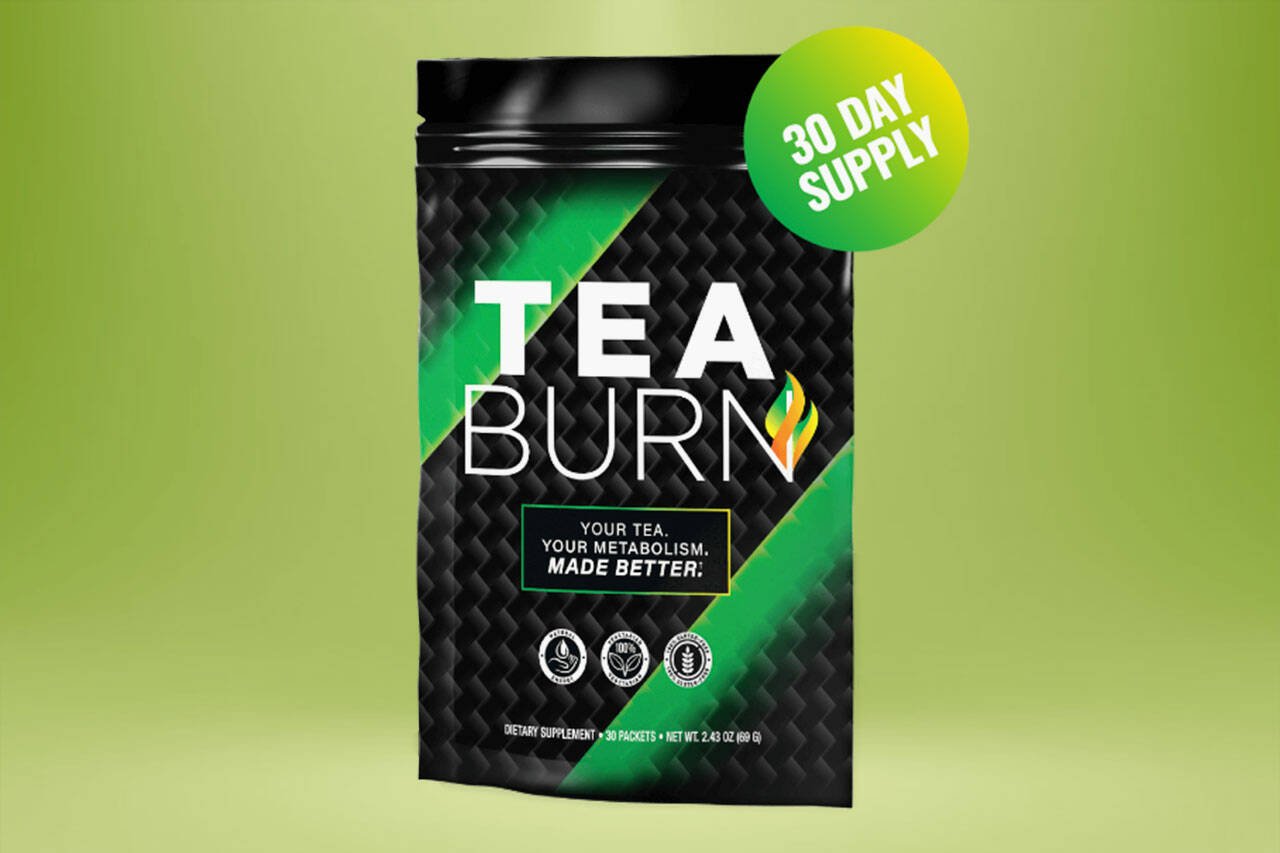
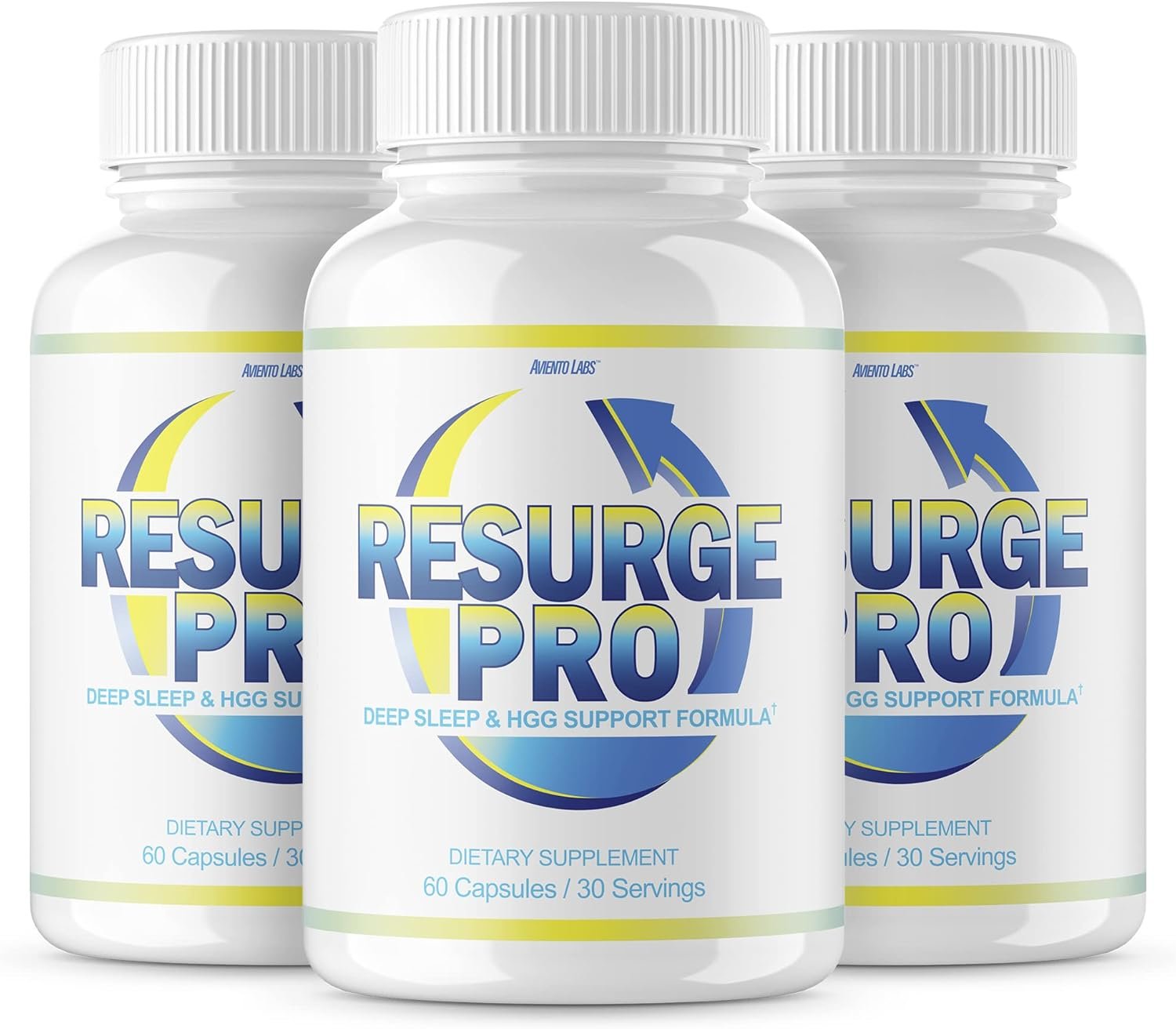
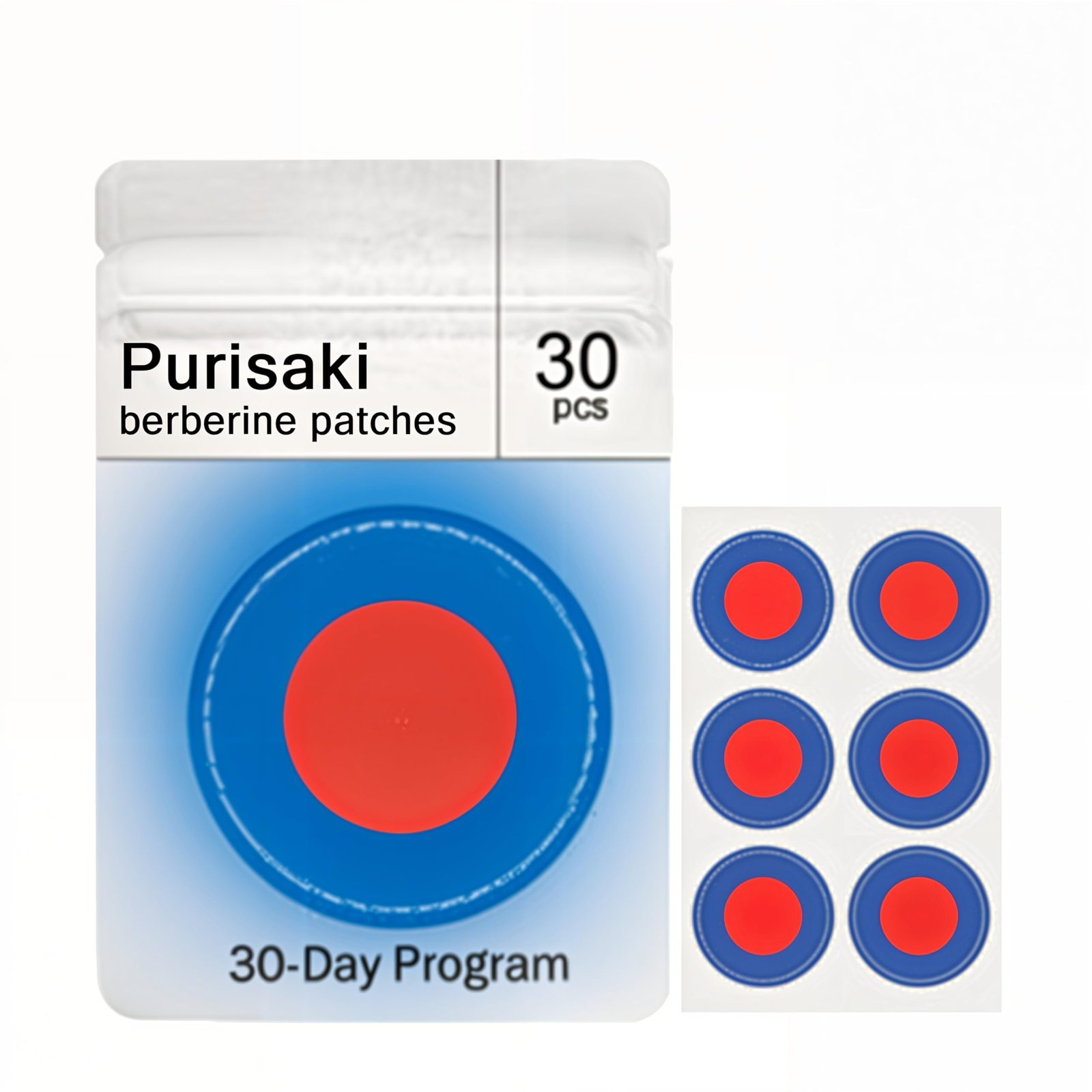
Compare before you buy
See how this formula stacks up against similar ones — or get ingredient explainers and breakdowns by email.
Affiliate disclosure: SourceLean is reader-supported. When you buy through links on this site, we may earn a commission at no extra cost to you. Checkout is always handled on the official product website.
Pingback: 8 Foods for Stubborn Belly Fat: What the Evidence Says
Pingback: How to Read a Supplement Label (and Spot a Proprietary Blend)