Glucomannan
A water-absorbing fibre with some of the better appetite evidence — if used correctly.
- Type
- Soluble (viscous) fibre
- Typical research dose
- ~3 g/day (1 g before meals)
- Best taken
- With 1–2 glasses of water before meals
- Caffeine
- No
- Main food source
- Konjac root (shirataki noodles)
- Evidence level
- Moderate for fullness
Glucomannan is a soluble fibre from the konjac plant that absorbs large amounts of water and expands into a gel, physically filling the stomach to promote fullness. It has some of the more credible appetite-related evidence among fibres — provided it is taken correctly and with enough water.
What is Glucomannan?
Glucomannan is a highly viscous soluble fibre extracted from the root (corm) of the konjac plant, also known as elephant yam. It is the same fibre used to make low-calorie shirataki noodles. Its defining property is an exceptional water-holding capacity: it can absorb many times its own weight in water, forming a thick gel.
How Glucomannan works in the body
The mechanism is largely physical. Taken with water before a meal, glucomannan swells in the stomach, increasing the sense of fullness and slowing how quickly the stomach empties, so you tend to eat less and feel satisfied for longer. As it moves through the gut it also slows the absorption of sugars and binds some dietary fat and cholesterol, contributing to steadier blood sugar and improved lipid markers.
What the research says about Glucomannan and weight
Glucomannan has better evidence than many “fat burner” ingredients, though it is not dramatic. Several trials show modest weight loss when it is taken before meals as part of a reduced-calorie diet, and it has recognised effects on cholesterol and post-meal blood sugar. Reviews note that benefits depend on adequate dosing and consistent use; without calorie control, the effect is small.
How much Glucomannan to take
Studies typically use around 1 gram taken with one or two glasses of water about 30 minutes before each of three meals (roughly 3 grams per day). Taking it with plenty of water is essential — both for it to work and for safety.
Food sources and supplement forms
It comes from konjac root, eaten in East Asia as konjac jelly and shirataki noodles. Supplements provide a concentrated, measured dose in capsule or powder form.
Why Glucomannan appears in weight-loss formulas
It appears in appetite-control and weight formulas as a fullness-promoting fibre that works through a simple, believable physical mechanism rather than stimulation. It suits stimulant-free products and is sometimes combined with other fibres or with chromium.
Safety, side effects and interactions
The key safety point is that glucomannan must be taken with ample water and never swallowed dry or as a tablet that could expand in the throat or esophagus — there have been choking and blockage reports linked to inadequate fluid. Otherwise it is well tolerated, though it can cause gas, bloating or loose stools, and it may reduce the absorption of medications taken at the same time, so separate dosing is wise.
How to choose a quality Glucomannan supplement
Choose powder or capsules (not large tablets that swell), and always take them with plenty of water before meals. Look for products providing close to the studied ~1 gram per dose, and a high purity of konjac glucomannan. Separate it from medications by a couple of hours.
It can absorb up to 50 times its weight in water
Glucomannan is one of the most viscous dietary fibres known, capable of soaking up many times its weight in water and expanding into a gel — which is exactly why it must always be taken with a full glass of water before meals.
Common questions about Glucomannan
Does glucomannan work for weight loss?
How do I take glucomannan safely?
Why does glucomannan make you feel full?
Are there side effects?
Can glucomannan affect my medications?
Is it the same as shirataki noodles?
Supplements with Glucomannan
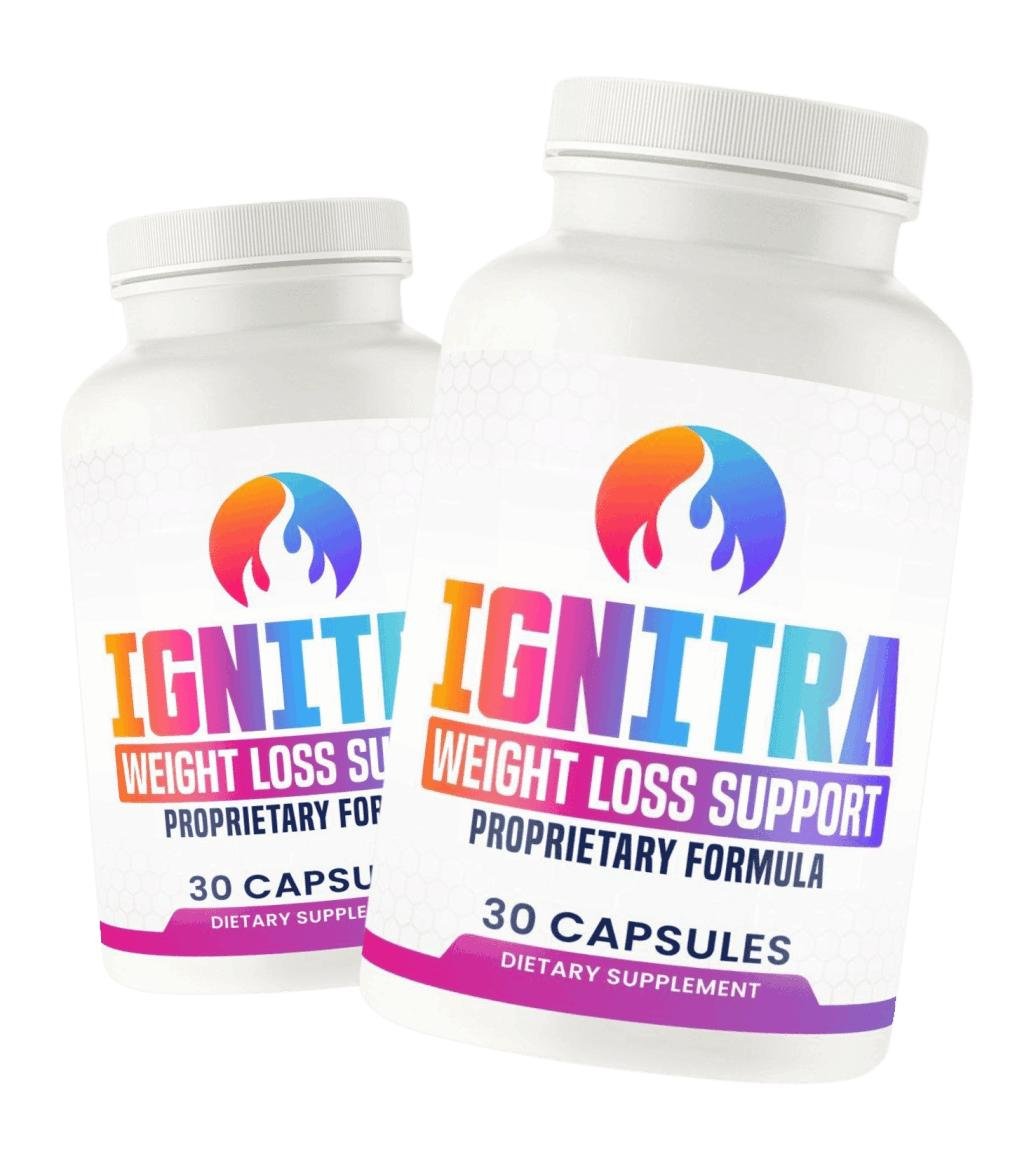
Formulas in the SourceLean directory that list Glucomannan or a closely related form among their ingredients:
Related ingredients
Explore other compounds commonly found in weight-loss formulas:
Ingredient insights, explained
Get plain-language ingredient guides and formula breakdowns in your inbox.
Affiliate disclosure: SourceLean is reader-supported. When you buy through links on this site, we may earn a commission at no extra cost to you. Checkout is always handled on the official product website.