Best Weight-Loss Supplements of 2026: An Honest, Evidence-First Breakdown
There’s no single “best” supplement — only the best fit for your goal, your format preference, and your tolerance for hype. Here’s how to choose honestly in 2026, with the research laid out plainly and the limitations stated up front.
Almost every “best weight-loss supplement” list online is an affiliate ranking dressed up as advice. The product paying the highest commission becomes “#1 best overall,” the photos are stock images, and the five-star reviews are decoration. We’d rather do something different: tell you how each category actually works, show you what the research genuinely says (including when it says “not much”), and then help you choose the formula you’ll actually stick with.
If you came here past the marketing — skeptical, a little tired of being sold to — this guide is written for you. We’ll go category by category, name the popular products, give you honest pros and cons for each, break down the ingredients that keep showing up, and be blunt about the limitations. By the end you should be able to make your own decision instead of having one made for you.
Why you can trust this guide
This breakdown draws on a structured review of the most widely marketed weight-loss formulas sold to a US and UK audience in 2026, evaluated against five weighted criteria (detailed below). For the science, we worked from primary sources rather than marketing pages: peer-reviewed randomized trials, systematic reviews and meta-analyses indexed in PubMed, Cochrane reviews, and the National Institutes of Health Office of Dietary Supplements (ODS) fact sheets.[1] Where the evidence is strong, we say so. Where it is weak, mixed, or driven by a single small trial, we say that too.
This is editorial analysis from health writers and researchers — not medical advice, and not a substitute for your doctor. We make money through affiliate links, disclosed above, and our transparency scores are not for sale. If a product on this page worsens, we update or remove it.
Top picks at a glance
If you only have two minutes, here’s where each category lands. “Best” below means best transparency and best fit for that use case — not a promise of results. Scores are SourceLean’s editorial transparency ratings out of 100.
A tasteless powder you stir into coffee; a green-tea-and-caffeine logic that at least matches the better-studied ingredients.
A mix-and-sip metabolic drink for people who’d rather not swallow capsules. Pleasant ritual; watch the blend disclosure.
Pairs specific probiotic strains with green tea extract. The probiotic angle has real (if small) human data behind it.
Centers on milk thistle and berberine. Sensible ingredient story; doses are the thing to verify on the label.
The tea-drinker’s analogue to Java Burn — same logic, same caveat that the studied effect of these ingredients is small.
Convenient and pill-free, but drops make it easy to hide doses — so transparency matters more here, not less.
- How we evaluated everything
- How these supplements actually work
- Choosing by format
- The products, side by side
- Honest product-by-product notes
- The ingredients that matter
- More ingredients, rated honestly
- How to read a label
- Marketing red flags to ignore
- What to know before buying
- Who should avoid these
- Realistic expectations
- The foundation supplements can’t replace
- Your 6-step decision framework
- How to read the science
- Supplements vs prescription drugs
- The “natural GLP-1” trend
- Myths, debunked
- For specific situations & bodies
- The last 10 lbs vs a lot of weight
- Choosing by goal
- Timing, dosing & how long
- Pairing with your diet
- How to track results
- A closer look at safety
- How these are regulated
- Stimulant-free & safe stacking
- Common mistakes to avoid
- Cost, value & subscription traps
- Food-first alternatives
- Event & seasonal weight loss
- Why the marketing works
- How to spot fake reviews
- US vs UK/EU rules
- Which approach fits you
- Buyer’s checklist & glossary
- A realistic 12-week game plan
- Keeping the weight off
- Key takeaways
- Frequently asked questions
- The bottom line
- Sources
How we evaluated everything
Before any product earns a place on this page, it runs through the same five-part screen. We weight the criteria so that the things you can actually verify — what’s on the label and whether it’s made responsibly — count for more than things every brand claims about itself. Here is the exact scorecard.
1. Ingredient evidence — 25%
Does each active ingredient have human clinical research, and are the doses inside the studied range? A formula loaded with ingredients that only have rat data, or that uses a clinically studied ingredient at a fraction of the effective dose, loses points here. We favour standardized extracts (for example, green tea standardized to a stated EGCG percentage) over vague “proprietary herbal complexes,” because you can’t judge a dose you can’t see.
2. Manufacturing standards — 20%
Is the product made in an FDA-registered facility that follows Good Manufacturing Practices (GMP)? Is there any third-party testing for identity, potency and contaminants? Where is it actually produced? Supplements are not pre-approved by the FDA the way drugs are, so manufacturing discipline is one of the few quality signals you have.
3. Safety profile — 20%
Are common side effects documented honestly? Are drug interactions and contraindications disclosed, or buried? Stimulant-heavy thermogenics, high-dose green tea extract and berberine all carry real considerations, and a brand that hides them rather than naming them is telling you something about how it operates.
4. Transparency & customer experience — 20%
This is the heart of our scoring. Are all doses fully disclosed, or hidden inside a proprietary blend that lists ingredients without amounts? Is the refund policy real and findable? Are reviews plausible, or a wall of suspiciously identical five-star raves? A formula can have great ingredients and still score poorly if it refuses to tell you how much of each you’re getting.
5. Value for money — 15%
What’s the realistic cost per day, and does the refund window give you enough time to judge (most studied ingredients need 8–12 weeks)? We don’t reward the cheapest option automatically — we reward fair pricing for a disclosed, sensibly dosed formula. Pricing changes constantly, so we point you to the official site for current numbers rather than printing figures that go stale.
How these supplements actually work (and where they fall short)
Almost every weight-loss formula on the market is some combination of six mechanisms. Understanding them is the single most useful thing you can do, because once you can see the mechanism behind the marketing, the “revolutionary breakthrough” usually turns out to be caffeine, fiber, or a green-tea extract you’ve seen a hundred times. Here’s each lever, and how strong the evidence behind it really is.
1. Thermogenesis — nudging your metabolic rate
Thermogenic ingredients aim to make your body burn slightly more energy at rest or during activity. Caffeine is the workhorse here, and it’s one of the few ingredients with reasonably consistent human data: a dose-response meta-analysis of randomized trials found that more caffeine was associated with progressively greater reductions in weight, BMI and fat, with each doubling of dose linked to roughly a 20% larger effect.[4] Capsaicin (from chili peppers) works on the same theme, activating receptors that increase thermogenic gene expression in brown fat and modestly boosting energy expenditure.[11]
The catch: the effect is small and it fades. Studies show caffeine’s boost to fat oxidation tends to attenuate as your body habituates to daily use, so the heavy coffee drinker gets far less of a metabolic kick than the caffeine-naive person. Thermogenesis is real, but it’s a nudge, not an engine.
2. Appetite suppression — eating less without trying as hard
If a supplement can blunt your appetite, you eat less, and eating less is what actually drives weight loss. Soluble fibers like glucomannan are the cleanest example: they absorb water and form a gel in the stomach, slowing gastric emptying and signalling fullness. The evidence is genuinely mixed — some meta-analyses find a small significant reduction in body weight, others find no statistically significant effect at all.[8] Caffeine also has a mild appetite-suppressing effect for some people. The honest read: appetite suppression is one of the more plausible mechanisms, but the size of the benefit is modest and varies a lot between individuals.
3. Carbohydrate and glucose management
Several popular ingredients act on how your body handles sugar. Berberine improves insulin sensitivity and is one of the more interesting compounds in this space; chromium is marketed for the same reason. Better glucose handling can mean fewer cravings and less fat storage in theory — but as you’ll see in the ingredient section, the measured weight effects are small and the meta-analyses don’t all agree.[5][9]
4. Fat absorption and metabolism
Some formulas claim to block dietary fat from being absorbed, or to help your body shuttle fat into cells to be burned (the L-carnitine pitch). The fat-blocking claim is mostly the territory of prescription orlistat; over-the-counter “fat blockers” have weak support. L-carnitine has been studied mainly as a secondary outcome, and reviews find that any weight difference is small — on the order of a few pounds — and larger trials are still needed.[1]
5. The gut microbiome
The newest mechanism on the block. The bacteria in your gut influence how you extract energy from food and regulate appetite hormones, and certain probiotic strains have been studied for weight. The data is early and small: one large review found probiotics produced an average loss of around half a kilogram in adults, while another found they reduced waist circumference slightly but didn’t significantly change body weight or BMI, with low-to-moderate quality evidence.[1] Promising direction, modest reality.
6. Energy and adherence support
The least glamorous mechanism is arguably the most important. Many formulas include caffeine, B-vitamins or adaptogens mainly to make you feel energetic enough to move more and stick with your plan. There’s no magic here, but if a product genuinely helps you stay consistent with the diet and activity that actually drive results, that indirect effect can matter more than any direct one. Just recognise it for what it is.
Choosing by format: start with what you’ll actually take
Here’s the counterintuitive truth that most lists skip: the best format isn’t the one with the best ingredients on paper — it’s the one you’ll still be taking in week ten. A brilliantly dosed capsule you forget on the shelf does nothing; a mediocre tonic you genuinely enjoy and drink daily at least gives the ingredients a chance. Pick the format that fits your routine first, then optimise for transparency within it.
If you want a daily drink (powders & tonics)
Mix-and-sip formulas suit people who’d rather not swallow capsules and who like the ritual of a morning drink. The metabolic “tonic” category — Ikaria Lean Belly Juice, Okinawa Flat Belly Tonic and Nagano Tonic — are the best known, and we line them up directly in Ikaria vs Okinawa vs Nagano. For coffee and tea drinkers, Java Burn and Tea Burn are near-tasteless add-ins you stir into a drink you already have (compared head-to-head here).
The format’s strength: adherence and pleasantness — a drink is easy to remember and easy to enjoy. The format’s weakness: tonics are the worst offenders for proprietary blends. Because the powder is mixed, brands love to list a long “metabolic blend” with one total weight and no per-ingredient doses, which makes it impossible to tell whether you’re getting a research-level amount of anything or a sprinkle. Score tonics hard on disclosure.
If you want capsules
Capsules are the most convenient and the easiest to dose precisely, which is why most of the better-disclosed formulas are pills. Gut-focused options like LeanBiome pair specific probiotic strains with green tea extract, while liver-focused formulas like Liv Pure centre on milk thistle and berberine. If you specifically want a stimulant-style thermogenic, start with our four-way breakdown in CitrusBurn vs VolcaBurn vs Ignitra vs Hydrolean.
The format’s strength: precise, verifiable dosing and easy travel. The format’s weakness: there’s no ritual, so they’re easy to forget — and stimulant capsules can stack caffeine high enough to cause jitters, raised heart rate or sleep problems if you’re also drinking coffee. Capsules tend to be the most transparent format, so hold them to a high standard; there’s little excuse for a hidden blend in a pill.
If you want drops
Liquid drops are portable, pill-free and let you tweak the dose — but that flexibility cuts both ways. A tiny dropper makes it very easy to hide how little active ingredient you’re actually getting, so transparency matters more here, not less. We compare three of the popular ones in Metabo Drops vs KeySlim vs Viva Slim.
The format’s strength: convenience and no pills to swallow. The format’s weakness: the smallest serving sizes in the category, which means doses are often well below what trials used, and disclosure is frequently vague. Demand per-serving amounts before you buy.
If you want patches
Transdermal patches appeal to people who dislike pills and like the idea of a once-a-day, set-and-forget approach. The honest caveat is mechanical: whether the relevant ingredients actually absorb through skin in meaningful amounts is genuinely debated, and good human data on patch delivery for these compounds is thin. If that’s still your preference, weigh the two main options in Purisaki vs TrimPure and judge them strictly on disclosed ingredients rather than the convenience pitch.
The format’s strength: the easiest possible routine. The format’s weakness: the weakest evidence for delivery of any format here. Treat patches as the highest-skepticism category.
The products, side by side
This table is a fast orientation, not a verdict. “Transparency” is SourceLean’s editorial score for how openly the label discloses doses; it is not a measure of effectiveness. Always confirm the current price and the exact ingredient amounts on the official product page before buying — both change often.
| Product | Format | Headline ingredients | Best for | Refund window* | Transparency |
|---|---|---|---|---|---|
| Java Burn | Powder (in coffee) | Green tea extract, chromium, L-carnitine, caffeine logic | Coffee drinkers | 60-day | 84/100 |
| Tea Burn | Powder (in tea) | Green tea, L-theanine, chromium | Tea drinkers | 60-day | 80/100 |
| LeanBiome | Capsule | Probiotic strains + green tea (GTF) | Gut-first approach | 180-day | 78/100 |
| Liv Pure | Capsule | Milk thistle, berberine, choline | Liver-support angle | 60-day | 73/100 |
| Nagano Tonic | Powder tonic | Multi-ingredient metabolic blend | Drink-lovers | 60-day | 71/100 |
| Ikaria Lean Belly Juice | Powder tonic | Polyphenol/fiber blend | Tonic veterans | 180-day | 69/100 |
| Okinawa Flat Belly Tonic | Powder tonic | Polyphenol blend, probiotics | Tonic + probiotic combo | 90-day | 67/100 |
| Drops (Viva Slim et al.) | Liquid drops | Varies by brand | Pill-free, portable | Varies | Varies |
| Patches (Purisaki / TrimPure) | Transdermal patch | Varies by brand | No-pill routine | Varies | Varies |
*Refund windows are indicative of what these brands have historically advertised and can change without notice. Treat the official site as the source of truth, and screenshot the guarantee terms when you order.
Honest product-by-product notes
Each note below follows the same shape: what it is, how it’s supposed to work, genuine pros and cons, who it actually fits, and a plain editorial verdict. We don’t print prices because they shift constantly and per-region; check the official page. Remember the through-line of this whole guide — the ingredient evidence is modest, so these notes are about which products are honestly built, not which will melt fat.
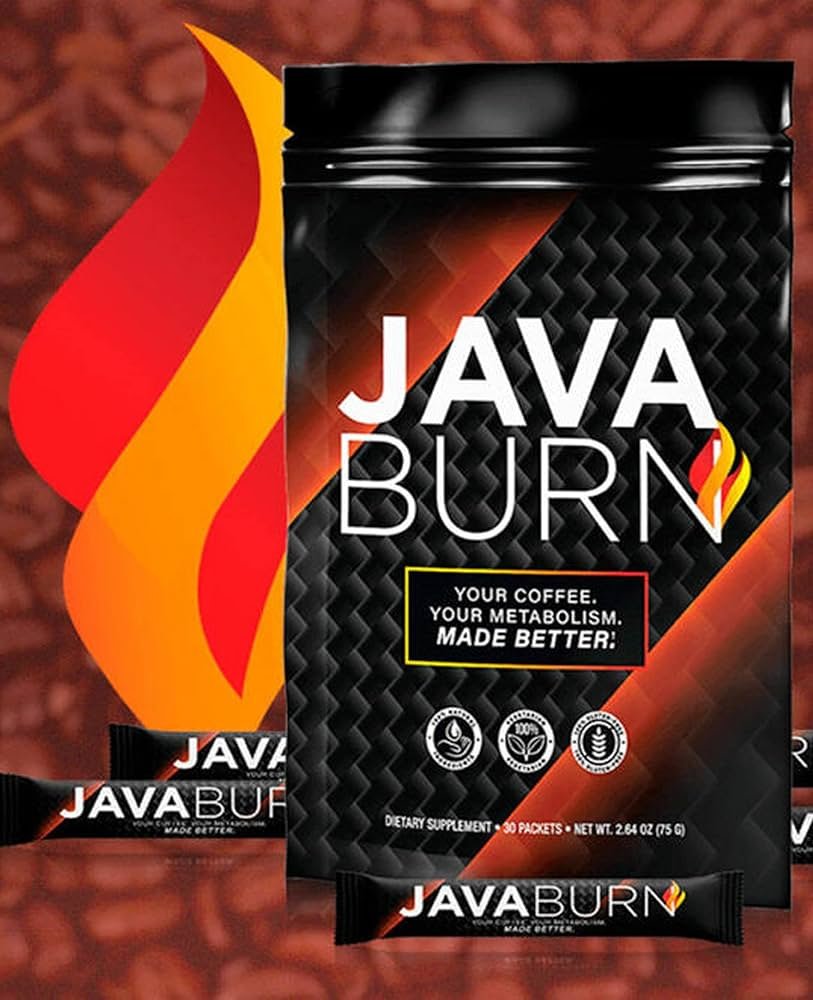
Java Burn
Transparency 84/100 · Best for coffee drinkersA sensible, well-disclosed powder for people who already drink coffee every morning — the closest thing here to “low-risk add-on.”
What it is
A flavourless powder you stir into your morning coffee, made by a US brand and sold as a daily metabolic support stack. The pitch is convenience: you change nothing about your routine except adding one scoop to a drink you were having anyway.
How it works
Java Burn leans on the best-studied lever in the category — the green-tea-extract-plus-caffeine combination — alongside chromium and L-carnitine. The logic tracks with the research: caffeine has the most consistent (if small) human weight data,[4] and green tea catechins show a modest effect on body weight and fat in meta-analyses.[2][3] The caffeine already in your coffee adds to the total, which is a feature for some and a problem for others.
Pros
- Ingredient logic matches the better-studied compounds (green tea, caffeine, chromium)
- Genuinely tasteless — doesn’t ruin your coffee
- Effortless to stay consistent with, which is half the battle
- Among the more transparent labels in this roundup
- 60-day refund window gives a fair trial period
Cons
- Stacks on top of your coffee’s caffeine — not ideal if you’re sensitive
- The underlying ingredient effects are small; manage expectations
- Only useful if you actually drink coffee daily
- Sold mainly through its own funnel, so price comparison is limited
Best for
Daily coffee drinkers who want a low-effort, reasonably transparent add-on and who tolerate caffeine well. Look elsewhere if you’re caffeine-sensitive, pregnant, or don’t drink coffee — the whole premise falls apart without the cup.
Editorial note: Of the funnel-sold products here, Java Burn is the one we’re least uncomfortable with, precisely because its ingredient story is honest and familiar rather than “exotic breakthrough.” See the current Java Burn details →
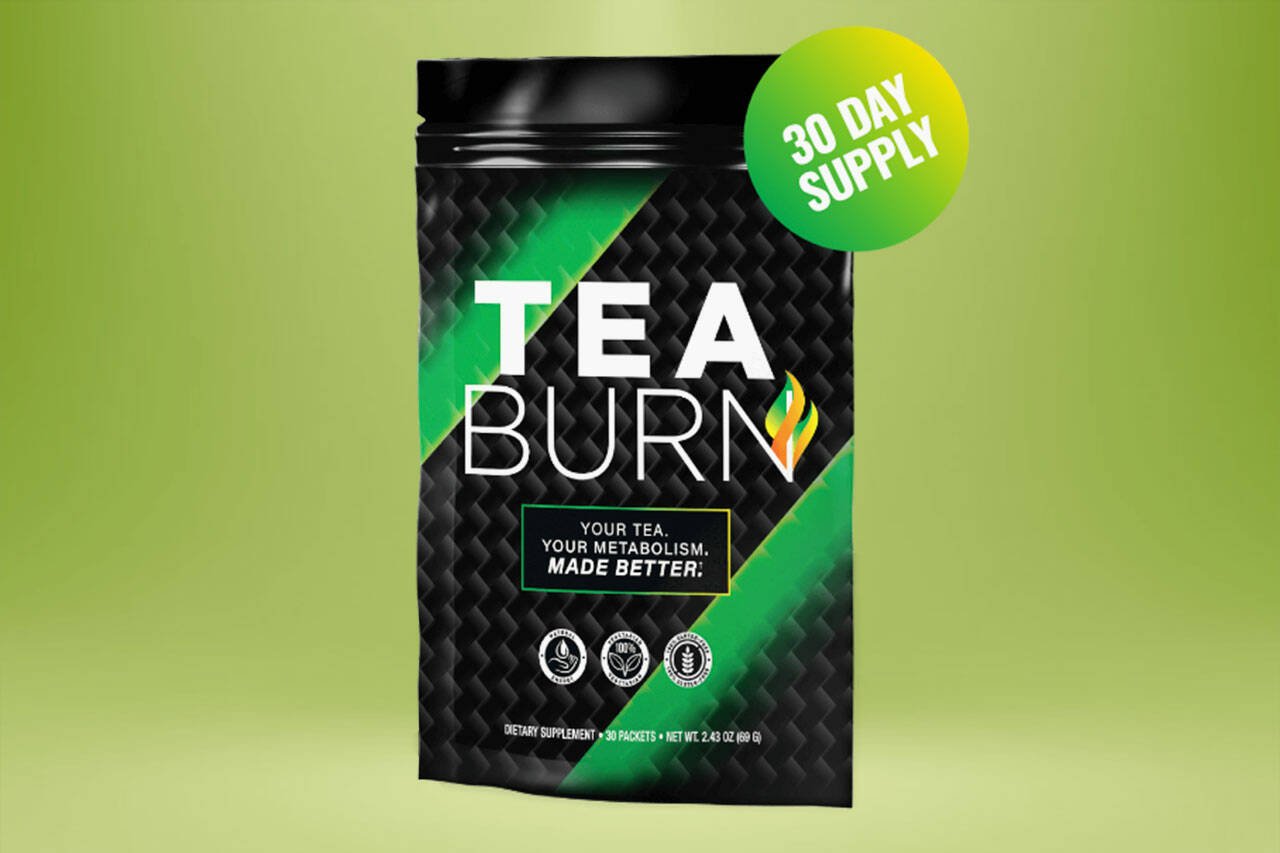
Tea Burn
Transparency 80/100 · Best for tea drinkersJava Burn’s logic for the tea crowd, with L-theanine to soften the caffeine edge.
What it is
A dissolvable powder designed for tea rather than coffee, built around green tea constituents plus L-theanine — the amino acid in tea associated with calmer, jitter-reduced energy.
How it works
Same core mechanism as Java Burn (catechins and caffeine for a small thermogenic and fat-oxidation effect),[2][4] with L-theanine added to take the edge off caffeine’s stimulation. For people who get anxious on coffee, the theanine pairing is a thoughtful touch rather than a gimmick.
Pros
- Smoother stimulant profile thanks to L-theanine
- Dissolves cleanly into hot or iced tea
- Decent label disclosure relative to the tonic category
- Pairs with a habit tea drinkers already have
Cons
- Effects still rest on small-magnitude ingredients
- Niche — pointless if you don’t drink tea
- Single-channel sales limit price transparency
Best for
Habitual tea drinkers, especially those who find coffee too stimulating. Not for non-tea-drinkers or anyone avoiding caffeine entirely.
Editorial note: A reasonable pick with a coherent story. See how it stacks up in Java Burn vs Tea Burn, or go to the Tea Burn page →
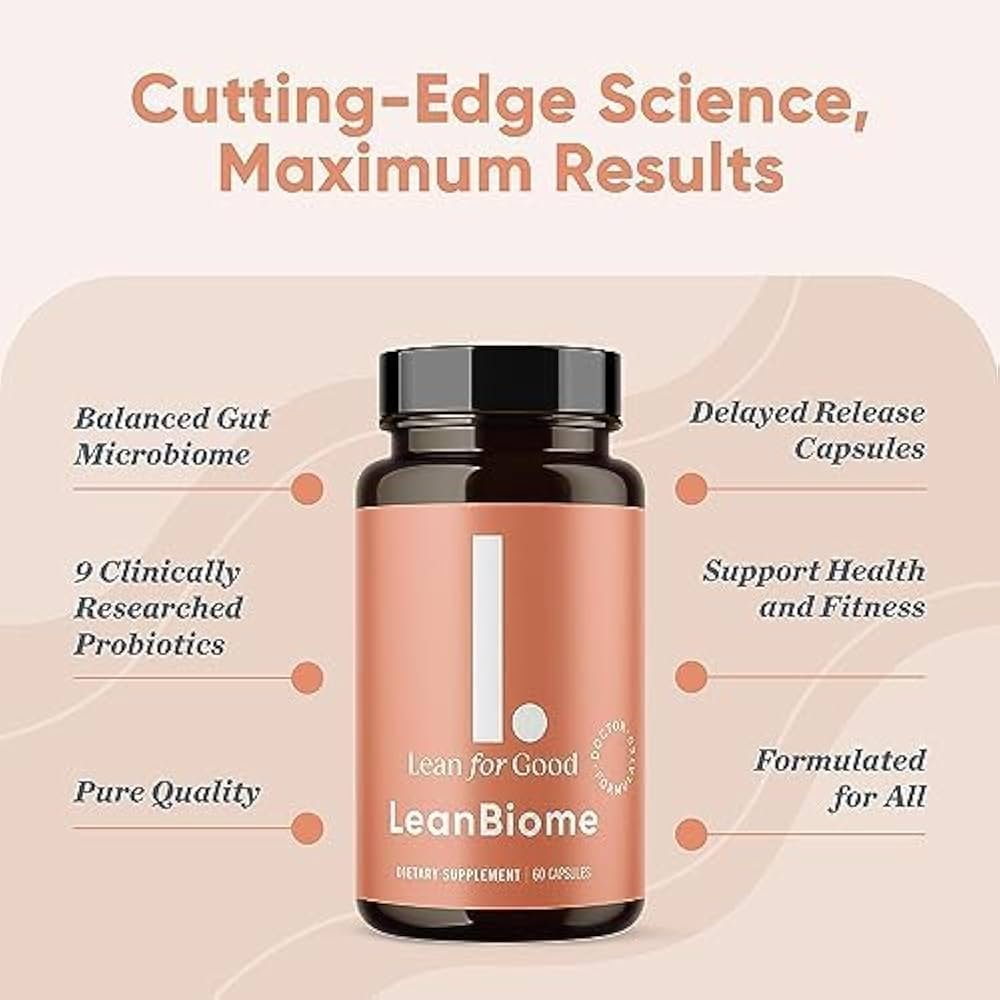
LeanBiome
Transparency 78/100 · Best gut-focused capsuleThe most defensible “newer mechanism” pick — specific probiotic strains plus green tea, with a long refund window.
What it is
A capsule built on the gut-microbiome angle, combining named probiotic strains with a green tea extract. It targets people who suspect their digestion and gut health are tied up with their weight — an idea with growing scientific interest.
How it works
The premise is that certain bacterial strains influence energy extraction and appetite signalling. The human evidence is real but modest: reviews suggest probiotics can produce a small average weight reduction and a slight drop in waist circumference, though quality is low to moderate and effects depend heavily on strain and dose.[1] The green tea component adds the familiar catechin angle.[2]
Pros
- Names its probiotic strains rather than hiding them in a blend
- Mechanism is one of the more scientifically interesting in the category
- Unusually long (180-day) refund window
- Capsule format = precise, verifiable dosing
- No reliance on heavy stimulants
Cons
- Probiotic weight effects are small and strain-dependent
- Live-culture potency depends on storage and shelf life
- Results, if any, build slowly — not a fast-acting option
Best for
People drawn to a gut-first, stimulant-light approach who are patient enough to give it the full 8–12 weeks. Less suitable if you want an immediate energy effect or expect rapid change.
Editorial note: Our favourite from a transparency standpoint among the capsules — it discloses what most of its category hides. See the LeanBiome details →
Liv Pure
Transparency 73/100 · Best liver-support angleA coherent milk-thistle-and-berberine story; verify the per-ingredient doses before you commit.
What it is
A two-part capsule centred on liver support, built around milk thistle, berberine and choline. The marketing frames the liver as a metabolic bottleneck — an oversimplification, but the ingredient choices themselves are reasonable.
How it works
Berberine is the most interesting inclusion: it improves insulin sensitivity and several meta-analyses show small but significant reductions in body weight, BMI and waist circumference — though, importantly, not every analysis agrees, and one found no significant change in body weight.[5][6] Milk thistle (silymarin) is a traditional liver-support herb with antioxidant properties but limited direct weight evidence.
Pros
- Includes berberine, one of the more evidence-backed compounds here
- Stimulant-light, so friendlier for caffeine-sensitive users
- Sensible, recognisable ingredient list
Cons
- The “liver as weight switch” framing oversells the mechanism
- Per-ingredient doses need checking — berberine works best around 1,000–1,500 mg/day in studies
- Berberine can interact with several medications (see safety section)
- Shorter (60-day) refund window than some rivals
Best for
People specifically interested in a berberine-forward, non-stimulant formula who will read the label to confirm the dose is meaningful. Skip it if you take medications berberine interacts with, or want a fast energy effect.
Editorial note: The ingredients are fine; the marketing story is inflated. Buy it for the berberine, not the liver mythology. See the Liv Pure details →
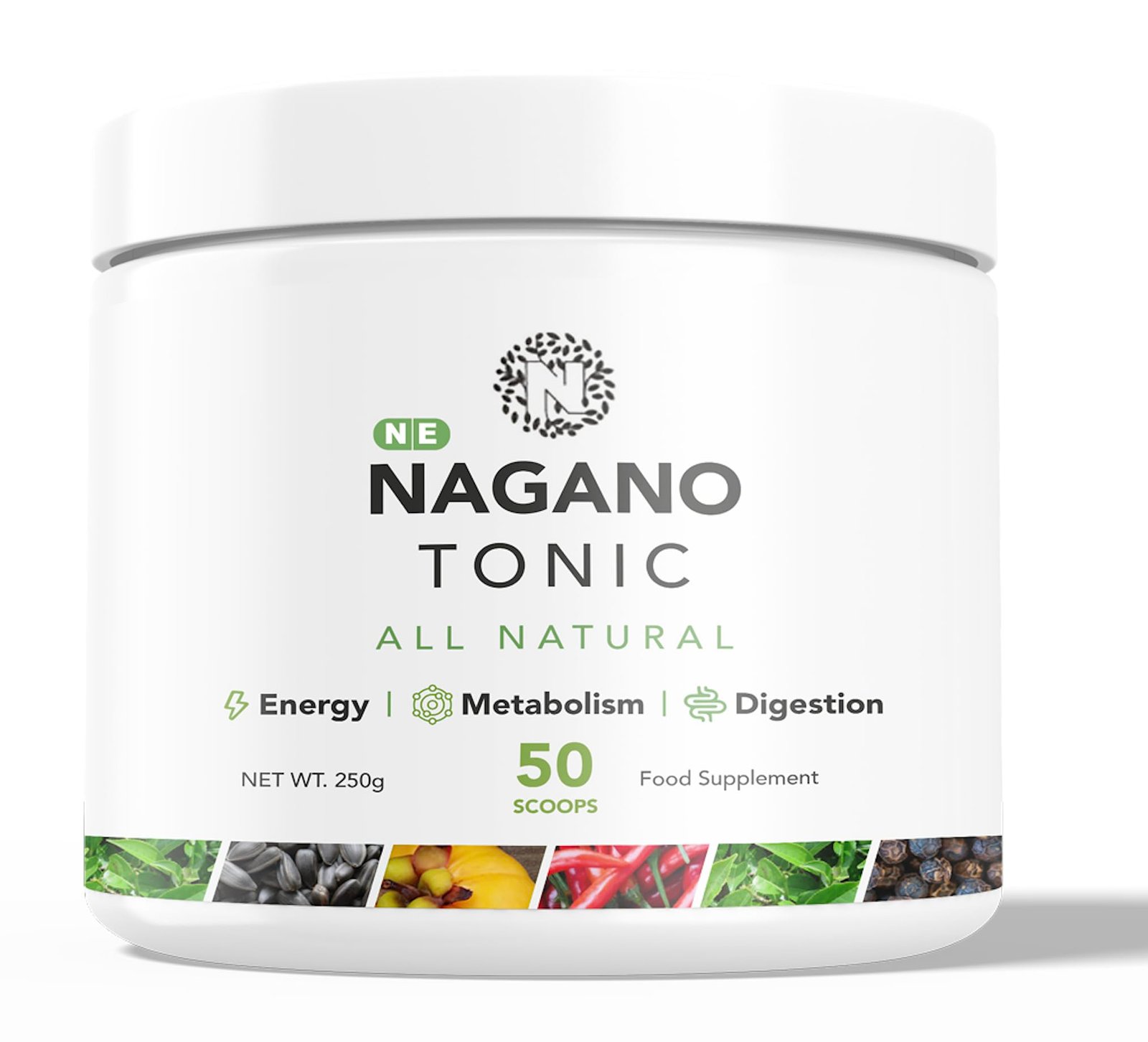
Nagano Tonic
Transparency 71/100 · Best-known tonicA pleasant daily ritual with a long ingredient list — the disclosure of doses is the weak point.
What it is
A powdered “metabolic tonic” you mix into water, packing a long list of botanicals, fibers and antioxidants. It’s aimed squarely at people who want a tasty morning ritual rather than pills.
How it works
The blend spans several mechanisms at once — thermogenic botanicals, fiber for satiety, and antioxidant compounds. That breadth is the marketing appeal and the analytical problem: when twenty ingredients share one blend weight, you can’t tell whether any single one hits a studied dose. Soluble fiber and green-tea-type compounds have modest support;[2][8] the rest is mostly mechanism-by-association.
Pros
- Enjoyable taste and ritual = easy daily adherence
- Broad ingredient base covers multiple plausible mechanisms
- No pills to swallow
- 60-day refund window
Cons
- Proprietary-style blend obscures individual doses
- Long ingredient lists often mean “fairy dusting” — tiny, sub-effective amounts
- Higher cost per day than most capsules
Best for
Tonic-lovers who value the ritual and will accept that they can’t fully verify the doses. Not for anyone who wants to know exactly how much of each active they’re getting.
Editorial note: Fine as an enjoyable habit; weak as a verifiable formula. Compare the big three in Ikaria vs Okinawa vs Nagano, or see the Nagano Tonic page →
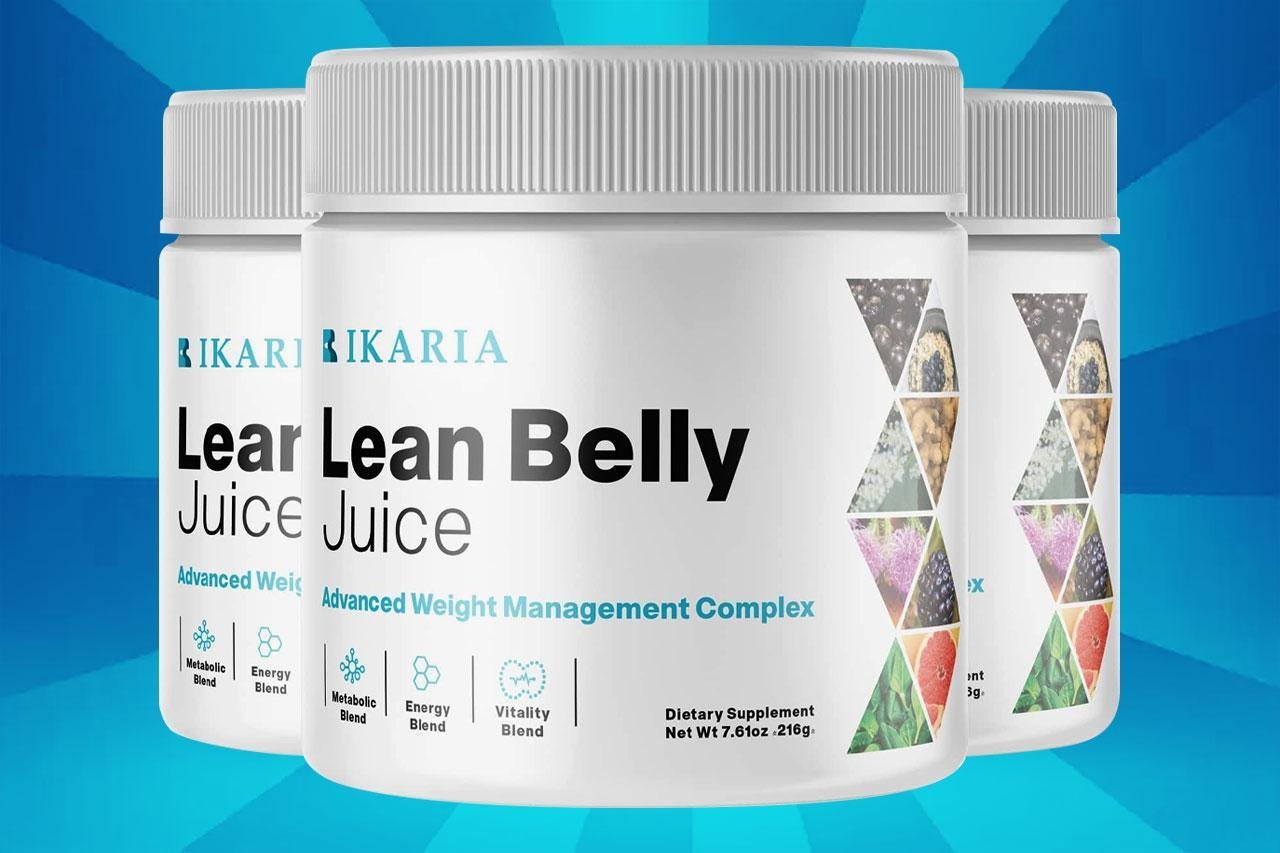
Ikaria Lean Belly Juice
Transparency 69/100 · Tonic veteranOne of the original metabolic tonics; a generous refund window, but the same blend-disclosure issues as its rivals.
What it is
A long-running powdered tonic built on a polyphenol-and-fiber blend, among the most heavily marketed products in the entire category.
How it works
It combines fruit and plant polyphenols with soluble fiber, targeting appetite and metabolism. As with all tonics, the plausible components (fiber for satiety, polyphenols for antioxidant support) are diluted across a blend you can’t fully see, and the soluble-fiber weight evidence itself is inconsistent.[8]
Pros
- Long 180-day refund window — genuinely generous
- Established brand with a large user base
- Drink format aids consistency
Cons
- Heavy proprietary blending limits dose transparency
- Aggressive funnel marketing and urgency tactics
- Premium price per serving
Best for
Tonic users who want the longest safety net (the 180-day guarantee) and don’t mind the disclosure gaps. Avoid if hype-style marketing is a dealbreaker for you.
Editorial note: The refund policy is the best thing about it. See the Ikaria details →
Okinawa Flat Belly Tonic
Transparency 67/100 · Tonic + probiotic comboA tonic that bolts on a probiotic angle; interesting in theory, but the lowest disclosure of the named products here.
What it is
A powdered tonic that blends polyphenols with added probiotics and digestive enzymes, trying to combine the drink ritual with the gut-microbiome trend.
How it works
It stacks the tonic mechanisms (polyphenols, fiber) with probiotic strains for the gut angle.[1] Combining mechanisms isn’t inherently bad, but doing so inside a proprietary blend compounds the transparency problem — now you can’t see the doses of two categories of ingredient.
Pros
- Addresses two mechanisms (metabolic + gut) in one drink
- 90-day refund window
- Palatable for tonic fans
Cons
- Lowest dose transparency among the named picks
- Probiotic potency in a powdered tonic is hard to guarantee
- Premium pricing
Best for
People who want a tonic and a probiotic in one and are relaxed about disclosure. If you care about the gut angle specifically, a dedicated capsule like LeanBiome discloses its strains more clearly.
Editorial note: Reasonable concept, weakest transparency. See the Okinawa details →
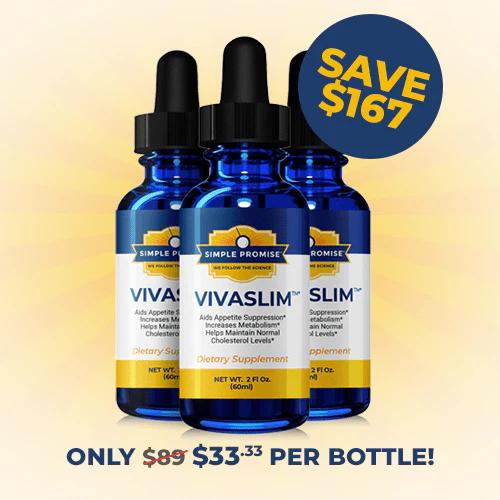
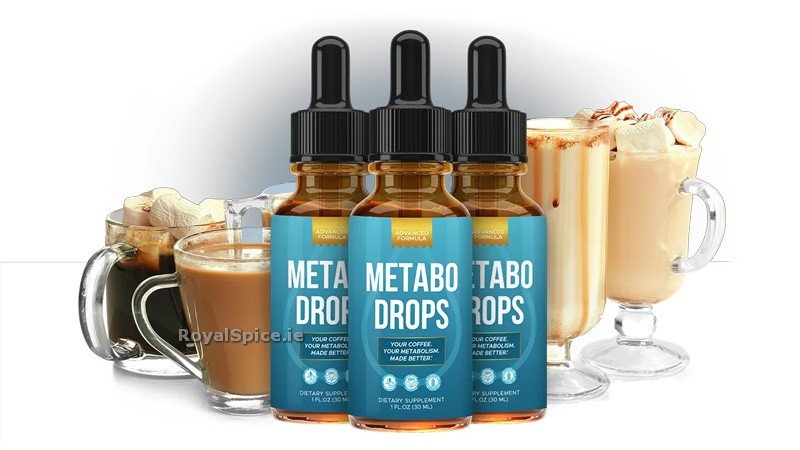
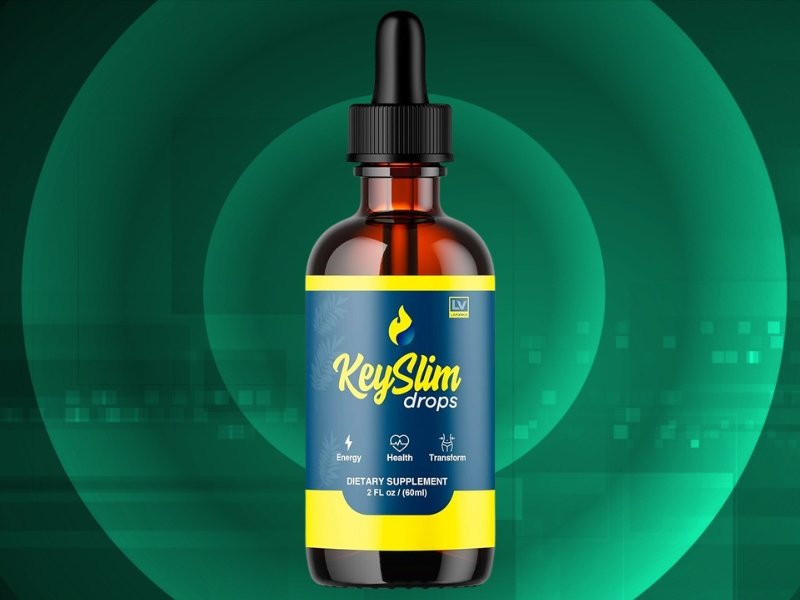
Liquid drops (Viva Slim, Metabo Drops, KeySlim)
Transparency varies · Best portable formatConvenient and pill-free, but the format most prone to under-dosing — transparency is everything here.
What it is
Sublingual or in-water liquid formulas dispensed by dropper, marketed for portability and pill-free convenience. Formulas differ widely between brands.
How it works
Most rely on small amounts of botanical extracts and amino acids. The structural issue is dose: a few drops simply can’t carry the gram-level amounts that some studied ingredients (like berberine or glucomannan) require to do anything,[6][8] so the format leans toward ingredients that are active in tiny amounts — or toward being under-dosed.
Pros
- Maximum portability; no pills
- Easy to adjust serving size
- Often stimulant-free options available
Cons
- Serving sizes too small for gram-dose ingredients
- Disclosure is frequently vague
- Wide quality spread between brands
Best for
People who travel constantly or refuse pills, and who will scrutinise the per-serving doses. Not for anyone relying on a high-dose ingredient to do the work.
Editorial note: Buy on disclosed doses, never on the “drops are advanced delivery” pitch. Compare them in Metabo Drops vs KeySlim vs Viva Slim.
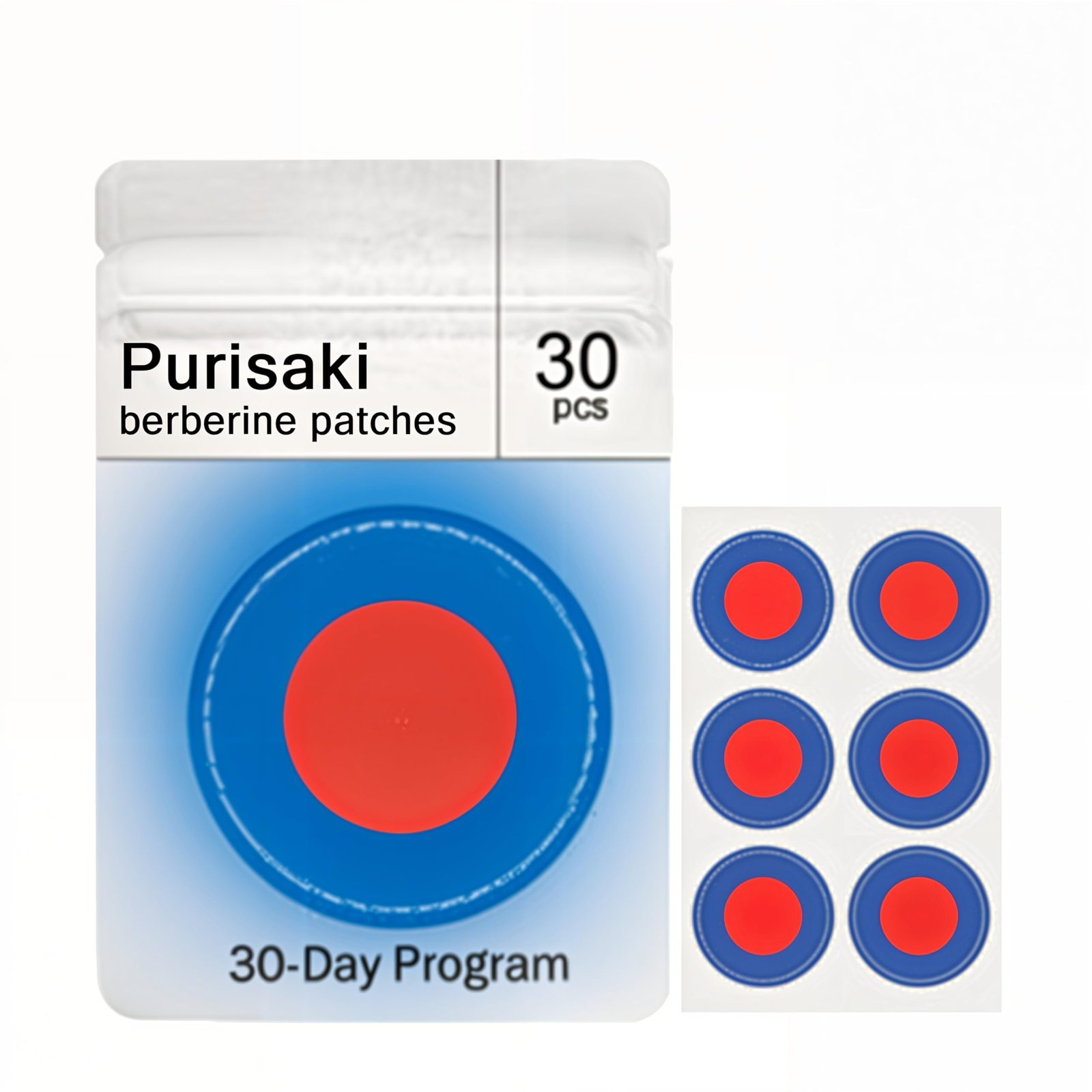
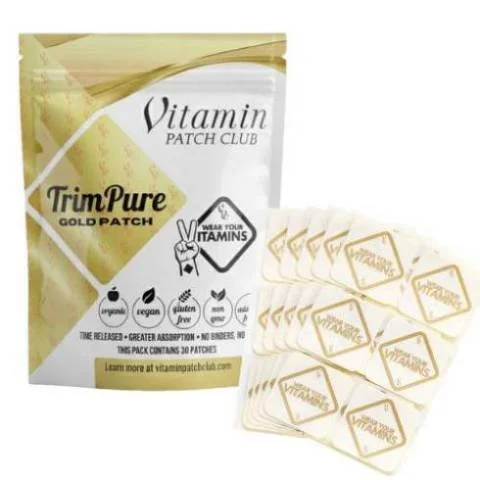
Patches (Purisaki, TrimPure)
Transparency varies · Highest-skepticism categoryThe easiest routine and the weakest delivery evidence — judge purely on disclosed ingredients.
What it is
Adhesive transdermal patches worn on the skin, marketed as a once-daily, swallow-nothing option.
How it works
The claim is that actives absorb through the skin into the bloodstream. The reality is that transdermal delivery of most of these compounds, at meaningful doses, is poorly established — skin is an effective barrier, and good human data for patch delivery of weight-loss ingredients is scarce. That doesn’t make patches useless, but it makes the evidence bar the hardest to clear in this guide.
Pros
- The simplest possible daily routine
- No swallowing, no taste, no stomach upset
- Discreet
Cons
- Transdermal absorption of these ingredients is genuinely doubtful
- Little independent human evidence for the format
- Possible skin irritation
Best for
People who simply won’t take pills or drinks and want to try the lowest-friction option with clear-eyed, low expectations. If evidence quality is your priority, choose almost any other format first.
Editorial note: The most convenient and the least proven. Compare the two main options in Purisaki vs TrimPure.
The ingredients that matter (and what the research really shows)
Strip away the brand names and the same dozen ingredients appear again and again. Learn these and you can read almost any label in this category. For each one below we give the mechanism, an honest evidence rating, the dose used in studies, and the catch. Notice a pattern: even the “winners” here produce small effects, and several popular ingredients have essentially no good human support at all. You can dig deeper in our ingredient database.
| Ingredient | Main mechanism | Human evidence | Studied dose |
|---|---|---|---|
| Caffeine | Thermogenesis, fat oxidation, appetite | Moderate — small effect [4] | ~100–400 mg/day |
| Green tea / EGCG | Catechin-driven fat oxidation | Modest — small effect [2][3] | ~100–460 mg EGCG/day |
| Berberine | Insulin sensitivity, glucose handling | Mixed — small but real in several reviews [5][6] | ~1,000–1,500 mg/day |
| Glucomannan (fiber) | Satiety via gel-forming fiber | Inconsistent — some null, some small [8] | ~3 g/day, before meals |
| Chromium | Insulin action, possible cravings | Weak — clinically debatable [9][10] | ~200–1,000 mcg/day |
| L-carnitine | Fatty-acid transport for oxidation | Weak — small, secondary outcome [1] | ~2 g/day |
| Probiotics | Gut microbiome & appetite hormones | Early — small, strain-dependent [1] | Strain-specific |
| Capsaicin | Thermogenesis via TRPV1 | Modest — small effect; GI side effects at dose [11] | ~2–4 mg capsaicinoids/day |
Caffeine — the one with the most consistent data
Caffeine increases energy expenditure, enhances fat oxidation (especially during exercise), and mildly suppresses appetite. It’s the best-supported single ingredient in the category: a dose-response meta-analysis of randomized trials found higher caffeine intake linked to progressively greater reductions in weight, BMI and fat mass, with roughly a 20% larger effect per doubling of dose.[4] The catch: the effect is still small in absolute terms (think a percent or two of body weight), it diminishes as you build tolerance, and high doses cause jitters, raised heart rate, anxiety and poor sleep. If you already drink coffee, a caffeine-based supplement may add far less than the label implies.
Green tea extract / EGCG — modest, real, and not without risk
Green tea’s catechins (chiefly EGCG), usually alongside caffeine, are among the most-studied compounds here. Meta-analyses generally find a small but statistically significant effect on body weight and body fat — on the order of a kilogram or so — with daily EGCG doses around 100–460 mg over 12 weeks or more.[2][3] A Cochrane review was more cautious, describing the weight change as small and not statistically significant.[2] The catch: high-dose green tea extract (very different from drinking tea) has been associated with rare liver injury, and US health authorities have flagged safety concerns for concentrated extracts.[1] More is not better.
Berberine — the most interesting compound in the category
Berberine, an alkaloid from several plants, improves insulin sensitivity and affects glucose and lipid metabolism — which is why it’s earned the nickname “nature’s metabolic helper.” The evidence is genuinely mixed but leans positive: one meta-analysis found significant reductions in body weight (about 2 kg), BMI and waist circumference;[5] another found significant improvements in BMI and waist circumference but no significant change in body weight itself;[6] and the NIH’s complementary-health centre notes reviews showing decreases in weight and BMI.[7] The catch: it needs a real dose (studies use ~1,000–1,500 mg/day, usually split), commonly causes digestive upset, and interacts with several medications — so the tiny amounts hidden in many blends are likely pointless, and the meaningful amounts need medical clearance.
Glucomannan — the fiber that sometimes works
Glucomannan is a soluble fiber from konjac root that swells into a gel, promoting fullness and slowing digestion. The evidence is a coin-toss: one well-known systematic review concluded that available RCTs did not show statistically significant weight loss (a non-significant 0.22 kg difference),[8] while a later meta-analysis found a small but significant reduction of about 0.96 kg.[8] The catch: it must be taken with plenty of water before meals to work and to avoid choking risk, the effective dose is around 3 g/day, and it commonly causes bloating, gas and loose stools. Honest verdict: a plausible appetite tool, not a reliable one.
Chromium — popular, but the data is thin
Chromium (usually as chromium picolinate) is marketed for blood-sugar control and craving reduction. The foundational 2003 meta-analysis found a statistically significant but small reduction in body weight (about 1.1 kg) — with the authors cautioning the effect was driven largely by a single trial and of debatable clinical relevance.[9] A 2019 meta-analysis of 19 trials found an even smaller, clinically insignificant reduction of about 0.75 kg.[10] The catch: the consensus is that current data don’t support chromium as a weight-loss strategy. It’s cheap and generally safe, but don’t expect it to move the needle.
L-carnitine — logical mechanism, weak weight evidence
L-carnitine helps transport fatty acids into cells to be burned, which makes the marketing logic appealing. In practice, weight loss has usually been a secondary outcome, and the effect is small: reviews and the NIH ODS note that people taking carnitine sometimes lost a few pounds more than those who didn’t, but the difference was minor and larger trials are needed.[1] The catch: it appears more useful combined with other interventions than on its own, and the standalone weight benefit is modest at best.
Probiotics — promising mechanism, early evidence
Specific gut bacteria influence how efficiently you store energy and how your appetite hormones behave, making probiotics the trendiest mechanism in weight management. The human data is real but small and inconsistent: one review found an average loss of about 0.54 kg in adults, while another found probiotics reduced waist circumference slightly but didn’t significantly affect body weight or BMI, on low-to-moderate-quality evidence.[1] The catch: effects are highly strain-specific, so a generic “probiotic blend” tells you little — the named strain and dose are what matter.
Capsaicin — the chili-pepper thermogenic
Capsaicin, the heat compound in chili peppers, activates TRPV1 receptors, nudging up thermogenesis and energy expenditure and modestly increasing satiety.[11] The catch: meaningful doses (around 2–4 mg capsaicinoids) commonly cause gastrointestinal distress, and the weight effect is small.[1] It’s a reasonable minor add-on for people who tolerate spice, not a centrepiece.
More ingredients, rated honestly
Beyond the core eight, a second tier of ingredients shows up constantly in formulas and in the questions readers send us — usually because a celebrity, a viral clip, or a slick funnel made them famous. Here’s the honest read on each, with the same rule as before: we tell you what the human evidence actually shows, not what the label hopes you’ll assume.
Green coffee bean extract (chlorogenic acid)
Made from unroasted coffee beans, green coffee extract is rich in chlorogenic acid, a polyphenol thought to influence glucose metabolism and fat absorption. A 2011 systematic review of randomized trials found a small effect on body weight — but the authors flagged that the included trials were generally of poor methodological quality, so the result should be treated cautiously, and more recent reviews remain mixed.[14] It also contains caffeine, which muddies the picture. Honest verdict: plausible but weakly supported; the chlorogenic acid story outran the evidence after a famous TV endorsement that was later widely criticised.
Garcinia cambogia (hydroxycitric acid / HCA)
The tropical fruit rind contains HCA, marketed to block fat storage and curb appetite by inhibiting an enzyme called citrate lyase. A 2011 meta-analysis of randomized trials found a small, statistically significant difference of about 0.88 kg over placebo — but when only the higher-quality trials were analysed, the effect disappeared.[13] That’s the classic signature of an ingredient that doesn’t really work: an effect that vanishes as study quality improves. Honest verdict: among the most heavily hyped and least convincing ingredients in the category. Treat it as a marketing relic.
Conjugated linoleic acid (CLA)
CLA is a fatty acid found naturally in meat and dairy, sold as a body-composition aid. It has one of the larger evidence bases here, which makes the modest results telling: a long-term review of randomized trials found a small weight difference of about 0.70 kg and a fat-mass reduction of roughly 1.3 kg favouring CLA, while explicitly concluding the clinical relevance is uncertain and that high-quality studies didn’t convincingly show meaningful fat loss.[15] It typically needs ~3.2 g/day for months. Honest verdict: a small, slow, debatable effect on body fat; commonly causes digestive upset, and some studies note it may worsen insulin sensitivity in certain people.
Forskolin (Coleus forskohlii)
A plant compound popularised, like several others here, by daytime TV. The human evidence is thin and small — a couple of tiny trials with inconsistent results, mostly suggesting effects on body composition rather than scale weight, if anything at all. Honest verdict: insufficient evidence to recommend; if it’s the headline ingredient of a formula, lower your expectations sharply.
Raspberry ketones
Despite the “miracle in a bottle” marketing, there is essentially no good human evidence that raspberry ketones aid weight loss — the enthusiasm rests on cell and rodent studies at doses you couldn’t realistically replicate. The NIH’s review lists it among ingredients lacking convincing human support.[1] Honest verdict: skip it. This is a pure hype ingredient.
Apple cider vinegar (ACV)
ACV — now ubiquitous as gummies — has a sliver of human data: a few small, short trials have reported modest reductions in weight and waist measurements, but the studies are small, brief, and not enough to call it established. Acetic acid may slightly slow gastric emptying and blunt post-meal blood sugar. Honest verdict: mostly harmless and mildly plausible, but oversold. Liquid ACV can erode tooth enamel and irritate the gut; gummies often contain little actual acetic acid. Not a weight-loss engine.
Synephrine / bitter orange
After ephedra was banned, bitter orange (a synephrine source) became its common replacement in “fat burners.” It is a genuine stimulant — which is exactly the problem: it can raise heart rate and blood pressure, and health authorities have flagged cardiovascular safety concerns, especially when stacked with caffeine.[1] Honest verdict: any weak fat-burning effect is outweighed by the cardiovascular risk for most people. Approach stimulant thermogenics containing synephrine with real caution.
Guarana & yerba mate
Both are essentially natural caffeine sources (guarana seeds are among the most caffeine-dense plants known). Their effects are caffeine’s effects — the same small thermogenic nudge, the same tolerance and the same stimulant cautions.[4] Honest verdict: fine as a caffeine delivery vehicle, but don’t pay a premium for “exotic” framing around what is, mechanistically, coffee.
White kidney bean extract (carb “blocker”)
Marketed as a starch blocker via alpha-amylase inhibition, the idea being that some dietary starch passes through undigested. Small trials show inconsistent, modest effects, and undigested starch reaching the colon tends to cause gas and bloating. Honest verdict: a minor, unreliable effect at best, with predictable digestive side effects.
Fucoxanthin (brown seaweed)
A carotenoid from brown seaweed with interesting mechanistic and animal data on fat metabolism, but very limited human trials. Honest verdict: scientifically intriguing, practically unproven in people — one to watch, not one to bank on.
Thermogenic spices: cayenne, ginger, cinnamon
Cayenne supplies capsaicin (covered above — a small, real thermogenic effect with GI caveats[11]). Ginger and cinnamon appear in many blends with pleasant supporting stories about metabolism and blood sugar, but the human weight evidence is small and inconsistent. Honest verdict: reasonable, food-grade additions that won’t hurt, but they’re seasoning-level effects, not difference-makers.
Soluble fibers beyond glucomannan: psyllium & inulin
Glucomannan gets the spotlight, but psyllium and inulin work on the same satiety-via-viscosity-and-fermentation principle, and a fiber-forward approach is one of the more defensible non-stimulant strategies. Reviews of viscous fiber show small effects on weight and better effects on cholesterol and blood sugar.[8] Honest verdict: fiber is genuinely useful for fullness and metabolic health — and you can get most of the benefit from food (beans, oats, vegetables) for a fraction of the price.
How to read a supplement label without getting fooled
The label is where marketing meets reality, and learning to read one is the most durable skill in this whole guide. Here’s what to look for, in order.
1. Hunt for the proprietary blend
This is the single biggest tell. A “Proprietary Metabolic Blend — 1,250 mg” followed by a list of ingredients with no individual amounts means you cannot know whether you’re getting a research dose of anything. Brands defend blends as protecting their “secret formula,” but the practical effect is concealment. A fully disclosed label that lists each ingredient with its milligram amount is worth far more than a longer, hidden one.
2. Compare doses to the studied range
Once amounts are disclosed, check them against the doses in the table above. A formula bragging about berberine that contains 50 mg is “fairy dusting” — a studied dose is closer to 1,000–1,500 mg.[6] Token amounts let a brand claim an ingredient is “in there” without paying for an effective quantity.
3. Note the order of ingredients
Ingredients are listed by weight, highest first. If the impressive-sounding actives are at the bottom, after fillers and flow agents, they’re present in trace amounts.
4. Read the “other ingredients” line
Fillers, binders and flow agents aren’t sinister, but a very long list can indicate a cheaply made product. Watch for allergens (soy, dairy, gluten) if relevant to you.
5. Find the manufacturing and testing claims
Look for an FDA-registered, GMP-certified facility and any third-party testing. Because supplements aren’t pre-approved by the FDA, these voluntary signals are among the few quality markers available — and their absence is itself informative.
6. Check the serving size math
A “30-day supply” that requires four capsules a day but contains 60 capsules is a 15-day supply. Brands use serving-size sleight of hand to make a bottle look cheaper and last longer than it does.
Marketing red flags to ignore
The supplement industry has a well-worn playbook. None of these tactics tells you anything about whether a product works — they’re designed to short-circuit your judgment. Spot them and discount them.
- Dramatic before-and-after photos. Easily faked, cherry-picked, or the result of lighting, posture and months of dieting. They are testimonials, not evidence.
- Fake urgency and countdown timers. “Only 7 bottles left!” that resets when you refresh the page is a pure manipulation tactic. Real inventory doesn’t run on a loop.
- “Doctors hate this” / suppressed-secret framing. Conspiracy hooks exist to make you feel like an insider. They are a substitute for evidence, not a sign of it.
- Proprietary blends sold as a feature. “Our exclusive formula is too valuable to disclose” means “we won’t tell you the doses.”
- Guaranteed or rapid results. “Lose 30 lbs in 30 days” isn’t just unrealistic; for supplements it’s implausible. The studied ingredients take 8–12 weeks to show small effects.
- A wall of identical 5-star reviews. Real products attract a spread of opinions. Suspiciously uniform praise — especially undated and unverified — is a warning sign.
- “Clinically proven” with no citation. If a product claims clinical backing, the study should be findable and should test that formula — not a single ingredient at a dose the product doesn’t use.
- Auto-ship traps. Check whether a one-time purchase quietly enrols you in recurring billing, and how hard it is to cancel.
What you should know before buying (the honest part)
This is the section most “best of” lists leave out, and it’s the most important. If you take nothing else from this guide, take this:
- The evidence is modest across the board. The US government’s own review states plainly that there is little scientific evidence that weight-loss supplements work, and that many are expensive while a few can be harmful.[1] Even the better-supported ingredients move the scale by roughly one to two kilograms beyond diet alone — real, but small.
- Results take time. The ingredients with any human data were typically studied over 8 to 12 weeks. Anything promising visible change in days is selling a fantasy.
- Individual variation is huge. Genetics, baseline diet, caffeine habituation, gut microbiome and adherence all shift the outcome. Some people see a modest benefit; some see nothing. That’s why honest brands offer refunds.
- Supplements are not a substitute for the fundamentals. No capsule or tonic overrides a calorie surplus, poor sleep or a sedentary routine. At best these products are a small assist on top of the basics.
- They are not weight-loss drugs. Prescription medications (such as GLP-1 receptor agonists) work through entirely different, far more powerful mechanisms and are medically supervised. Don’t expect supplement-level ingredients to behave like them.
- Quality varies because oversight is light. Supplements aren’t pre-approved by the FDA for safety or efficacy before sale, so manufacturing standards and third-party testing carry real weight.
- See a doctor if something’s wrong. Unexplained weight changes, or weight gain alongside other symptoms, deserve medical evaluation — not a supplement.
We say all of this knowing it’s not the standard affiliate pitch. But you can make a good decision with honest information and a realistic frame; you can only make a disappointed one with hype.
Who should avoid these (or check with a doctor first)
Some people should be especially cautious, and some should skip stimulant or high-dose botanical formulas entirely. This list protects you, not us — please take it seriously.
- Anyone who is pregnant or breastfeeding. Most of these ingredients haven’t been established as safe in pregnancy, and stimulants are best avoided. Don’t use weight-loss supplements in this period.
- People with heart conditions or high blood pressure. Caffeine and other stimulants (especially synephrine/bitter orange) can raise heart rate and blood pressure. Avoid stimulant-heavy thermogenics unless your doctor clears them.
- People on prescription medications. Berberine and green tea extract can interact with a range of drugs, including some for blood sugar, blood pressure, blood thinning and more. Berberine in particular affects how the body processes many medications. Always check with a pharmacist.
- People with diabetes. Berberine and chromium can affect blood glucose; combined with diabetes medication this can push blood sugar too low. Coordinate with your care team.
- People with liver disease (or risk factors). High-dose green tea extract has been linked to rare liver injury; if your liver is already compromised, avoid concentrated extracts.
- People with anxiety or sleep disorders. Stimulant formulas can worsen both. Choose stimulant-free options if this is you.
- Minors and older adults on multiple medications. These products are formulated and studied in general adult populations; the risk-benefit math is different at the edges of age and with polypharmacy.
When in doubt, the safest and smartest move is a five-minute conversation with your doctor or pharmacist before you start — especially if you take any regular medication.
What realistic results actually look like
Let’s put numbers to it, because “manage your expectations” is too vague to be useful. Across the better-studied ingredients, the average extra weight loss attributable to the supplement — beyond what diet and activity were already doing — tends to land in the range of roughly one to two kilograms (about two to four pounds) over two to three months.[1][4] That’s an average: some people get a bit more, many get less, and a meaningful fraction get nothing measurable.
Reframe that honestly and it’s still potentially worthwhile. If a transparent, sensibly dosed formula helps you feel a little more energetic, curbs your appetite slightly, and — crucially — helps you stay consistent with the diet and movement that do the heavy lifting, that compounding effect can matter. The mistake is expecting the supplement to be the diet. It isn’t. It’s a small tailwind, and only if the boat is already moving.
Here’s a healthy way to judge your own trial: give a product the full 8–12 weeks the research used, track honestly (weight, measurements, how you feel, your adherence to the basics), and use the refund window if you see nothing. Set the bar at “does this help me stick to my plan and show a small measurable change,” not “does this transform my body.” You can read our fuller take in realistic expectations for weight-loss supplements.
The foundation supplements can’t replace
It would be dishonest to write 10,000 words about supplements without saying clearly: the four things below outperform every product on this page, combined, by a wide margin. A supplement is the last 5%, not the first 95%.
A modest, sustainable calorie deficit
Weight loss ultimately comes down to consuming less energy than you burn, sustained over time. The best “diet” is the one you can keep doing — whether that’s higher protein, fewer refined carbs, or simply smaller portions of what you already eat. No supplement overrides a surplus, and no supplement is needed to run a sensible deficit.
Protein and whole foods
Adequate protein preserves muscle during weight loss and is more satiating than carbs or fat, which makes a deficit easier to sustain. This single dietary lever does more for appetite control than any “appetite suppressant” capsule on the market — and it’s food, not a pill.
Movement you’ll repeat
Exercise burns energy, preserves muscle and improves insulin sensitivity, but its biggest weight benefit is adherence: people who move regularly tend to keep weight off. Notably, the green tea evidence is strongest in combination with exercise, not instead of it. Walking counts.
Sleep and stress
Poor sleep and chronic stress raise appetite, increase cravings for calorie-dense food, and disrupt the hormones that regulate hunger and fat storage. Fixing your sleep is free, has no side effects, and frequently does more for weight than anything you can buy. If you’re choosing between a tonic and an earlier bedtime, choose the bedtime.
Your 6-step decision framework
Pull everything together and the decision becomes simple. Run any product you’re considering through these six steps in order.
- Get the foundations going first. If your diet, movement and sleep aren’t broadly in place, fix those before spending a cent on supplements. A supplement on a chaotic routine is wasted money.
- Pick your format by adherence. Choose the format you’ll genuinely use daily — coffee add-in, tonic, capsule, drops or patch. The best ingredients are useless in a bottle you forget. Use our format guide above.
- Demand transparency. Favour fully disclosed labels over proprietary blends. If you can’t see the doses, you can’t judge the product — move on.
- Check the doses against the evidence. Compare the disclosed amounts to the studied ranges in our ingredient table. Reject fairy-dusted actives.
- Set realistic expectations and a trial plan. Expect a small assist over 8–12 weeks, track honestly, and know the refund terms before you buy.
- Clear it with your doctor — and buy from the official site. Especially if you take any medication. Then purchase only from the official source to avoid counterfeits, and screenshot the guarantee.
Browse everything, grouped by format and scored on transparency, in the full directory, or compare specific products head-to-head in our comparisons.
How to read the science (so a label can’t fool you)
Most supplement marketing survives because few people know how to interrogate a health claim. You don’t need a degree — just a handful of questions that separate real evidence from decoration. This section is the toolkit; once you have it, the whole category looks different.
Testimonials are not evidence
A glowing before-and-after is a single, unverifiable anecdote, selected from thousands precisely because it’s flattering. It can’t tell you whether the product caused the result, whether the person also changed their diet, or whether they exist at all. Evidence comes from controlled comparison, not from a quote with a stock photo.
The gold standard: randomized, placebo-controlled trials
The strongest single studies randomly assign people to the supplement or an identical-looking placebo, so the only systematic difference is the ingredient. A systematic review or meta-analysis pools many such trials and is stronger still. When we cite “a meta-analysis of randomized trials,” that’s why — it’s the closest thing to a verdict the evidence offers. Cell-culture and rodent studies are useful for mechanism but routinely fail to translate to humans; “shown to boost fat metabolism” in a petri dish means very little for your waistline.
“Statistically significant” is not the same as “meaningful”
This is the trick that fools almost everyone. A result can be statistically significant (unlikely to be pure chance) yet far too small to matter in real life. Chromium losing 0.75 kg over months is a good example — reviewers call it clinically insignificant even where it reaches significance.[10] Always ask not just “did it reach significance?” but “how big was the effect?” A kilogram over three months is real and trivial at the same time.
Watch for the effect that shrinks as quality rises
A telltale sign of a non-working ingredient is an effect that’s significant when you include sloppy studies but vanishes when you analyse only the rigorous ones — exactly what happened with garcinia/HCA.[13] Good reviews report this “sensitivity analysis.” If the headline result depends on the weakest studies, be skeptical.
Follow the dose — and the funding
Was the studied dose the same as what’s in the product? An ingredient “proven” at 1,500 mg tells you nothing about a capsule containing 50 mg. And note who paid: industry-funded supplement studies tend to report rosier results than independent ones. None of this requires reading the full paper — the abstract usually states the sample size, dose, duration, effect size and conclusion. Five minutes there beats an hour on a sales page.
Supplements vs prescription weight-loss medications
This is the conversation that has changed everything since 2023, and no honest 2026 guide can dodge it. A new generation of prescription medications has produced weight-loss results that are in a completely different league from anything a supplement can do — and understanding that gap is essential to setting your expectations correctly.
The numbers, side by side
Recall that even the better-supported supplement ingredients move the scale by roughly one to two kilograms beyond diet alone.[1] Now compare the GLP-1-class drugs: in the STEP-1 trial, semaglutide produced an average weight loss of about 14.9% of body weight over 68 weeks, and in head-to-head data the dual-acting tirzepatide reached around 20% over 72 weeks, beating semaglutide’s roughly 14% in the same trial.[12] For a 100 kg person, that’s the difference between losing one or two kilograms (a good supplement) and losing fifteen to twenty (these medications). It is not a close contest, and it would be dishonest to imply otherwise.
So why would anyone use a supplement?
Because the comparison isn’t that simple. Prescription medications require a doctor and a qualifying medical situation, can be expensive or hard to access, commonly cause nausea and GI side effects (trial discontinuation rates are non-trivial), are injections in most cases, and — critically — the weight tends to come back when you stop: across the key trials, people regained roughly two-thirds of their lost weight within a year of discontinuing.[12] They are powerful tools, not magic, and they’re a serious medical decision. Supplements occupy a different niche: low-stakes, over-the-counter, modest, and suited to someone with a smaller goal who wants a minor assist alongside lifestyle change — not someone with significant obesity and related health risks, who should be talking to a doctor about medical options.
The “nature’s Ozempic” myth
You’ve probably seen berberine marketed as “nature’s Ozempic.” It’s a catchy line and a misleading one. Berberine and GLP-1 drugs both touch glucose metabolism, but they are not the same mechanism, not the same magnitude, and not interchangeable. Berberine’s measured weight effect is small and inconsistent across meta-analyses — a kilogram or two at most, sometimes nothing.[5][6] Semaglutide’s is an order of magnitude larger. Berberine is a reasonable, evidence-touched supplement on its own honest terms; it is not a substitute for a medication, and the comparison only exists because it sells bottles.
The “natural GLP-1” supplement trend
As prescription GLP-1 drugs reshaped weight loss, the supplement industry responded predictably: a wave of products marketed as “natural GLP-1 boosters,” “GLP-1 support,” or “nature’s alternative to the injection.” It’s worth understanding what’s real here and what’s opportunism.
What GLP-1 actually is
GLP-1 is a hormone your gut releases after eating that signals fullness and slows stomach emptying. The drugs are engineered, long-lasting versions that flood that system, which is why their appetite suppression is so powerful. The supplement pitch is that certain ingredients can “naturally” raise your own GLP-1.
The kernel of truth
Your body does release more GLP-1 in response to real things — notably protein and fiber. A high-protein, high-fiber meal genuinely promotes satiety partly through gut hormones, which is a legitimate, food-based way to feel fuller.[8] So the mechanism isn’t fictional. The problem is magnitude and packaging.
Where it becomes hype
The natural rise in GLP-1 from food or a fiber supplement is a gentle, short-lived nudge — nothing remotely like the sustained, potent effect of the drugs, which produce 15–20% body-weight loss.[1][12] Selling a fiber-and-berberine capsule as a “natural Ozempic” takes a real but tiny effect and dresses it in the language of a medical breakthrough. Berberine, the usual star of these formulas, has only a small, inconsistent weight effect.[5][6]
The honest takeaway
If you want to support your own GLP-1 response, the evidence points to food, not a proprietary capsule: prioritise protein and fiber at meals. That’s free, well-supported, and side-effect-free. A “GLP-1 support” supplement is, at best, a more expensive and weaker version of eating a balanced, high-protein, high-fiber meal — and at worst, marketing that borrows a drug’s reputation it can’t live up to.
Weight-loss supplement myths, debunked
The category runs on a handful of persistent myths. Each one feels intuitive, which is exactly why it survives. Here they are, dismantled.
Myth: “Fat burners” burn fat
The phrase implies the pill directly incinerates fat. What thermogenic ingredients actually do is nudge energy expenditure up by a small percentage, mostly via caffeine.[4] You still have to be in a calorie deficit for that nudge to matter. Nothing in a bottle “burns” fat the way the name suggests; it slightly raises the rate at which a deficit does the work.
Myth: A supplement can “boost your metabolism” meaningfully
Metabolic rate is overwhelmingly determined by your body size, muscle mass, age and activity — not by capsules. The measurable boost from supplements is small and temporary, and it habituates. The reliable way to raise your metabolism is to build and keep muscle through resistance training and adequate protein. That’s not a product; it’s a practice.
Myth: “Natural” means safe
Plenty of natural compounds are potent and risky. Ephedra was natural and got banned for cardiovascular events; bitter orange is natural and carries stimulant risks;[1] high-dose green tea extract is natural and has been linked to rare liver injury. “Natural” is a marketing word, not a safety rating.
Myth: Detox teas and cleanses remove fat
“Teatox” products typically work through laxatives and diuretics. You lose water and stool weight, the scale dips, and it all returns within days — while you risk dehydration and electrolyte problems. None of it touches body fat. This is among the more harmful corners of the category.
Myth: Carb and fat “blockers” let you eat freely
Over-the-counter starch and fat blockers have weak, inconsistent evidence and a reliable side effect: the un-absorbed nutrients ferment or pass through, causing gas, bloating and worse. They do not neutralise a pizza. The prescription fat-blocker orlistat has real (modest) data and famously unpleasant GI effects — the OTC versions are paler imitations.
Myth: You can target belly fat with a supplement
Spot reduction isn’t a thing — not with exercise, and certainly not with a pill. “Belly fat” formulas can’t direct where you lose fat; your body decides that based on genetics and overall fat loss. Any product promising to melt fat from one specific area is making a biologically impossible claim.
Myth: “Clinically proven” on the label means this product works
Usually it means a single ingredient was studied once, somewhere, possibly at a dose the product doesn’t even use. “Clinically proven” is rarely a claim about that finished formula in a real trial. If the proof exists, the study should be cited and should test the actual product. Demand the citation.
Myth: More ingredients means a better formula
A label boasting 25 ingredients usually means each is present in a tiny, sub-effective amount — “fairy dusting” designed to look impressive. A focused formula with three or four ingredients at real doses beats a kitchen-sink blend almost every time.
Supplements for specific situations and bodies
“Best for you” depends a lot on who you are. The mechanisms don’t change, but the priorities, risks and sensible choices do. Here’s how to think about a few common situations — all general education, none of it a replacement for advice from someone who knows your history.
Women, hormones and perimenopause
Most formulas are designed for general adult use and aren’t sex-specific in mechanism. Where it gets practical is hormonal transition: in perimenopause and menopause, shifting estrogen, muscle loss and sleep disruption all make weight gain easier and loss harder. No supplement reverses that, but the levers that help most are unglamorous — protein and resistance training to defend muscle, fiber for appetite, and fixing sleep. A transparent, stimulant-light formula can sit on top of those. Be cautious with stimulants if menopause is already disrupting your sleep.
Men
Men typically carry more muscle and a higher baseline metabolic rate, and tend to lose visceral (belly) fat somewhat more readily at first. The supplement considerations are the same: transparency, real doses, and not stacking stimulants on top of pre-workout and coffee. The most common male mistake is treating a thermogenic as permission to skip the diet — it isn’t.
Over 50: the aging-metabolism question
Metabolic rate declines modestly with age, driven largely by muscle loss (sarcopenia). The single most effective response is resistance training plus adequate protein — which protects the very tissue that keeps your metabolism up. Supplements are a minor add-on here, and the safety screen matters more because older adults are more likely to take medications that interact (blood thinners, blood-pressure and diabetes drugs). Check interactions carefully, especially with berberine and green tea extract.
PCOS and insulin resistance
Polycystic ovary syndrome often involves insulin resistance, which is why berberine and inositol come up so often in PCOS communities. Berberine does have metabolic data,[7] but PCOS is a genuine medical condition that deserves a real diagnosis and a clinician’s plan — not self-treatment via a weight-loss funnel. If you suspect PCOS, see a doctor first; discuss supplements as a possible adjunct, not a substitute.
Thyroid conditions
An underactive thyroid can drive weight gain and fatigue, and no supplement fixes it — it needs medical management. Worse, several weight-loss ingredients (stimulants especially) can be risky alongside thyroid medication, and some “thyroid support” supplements have been found adulterated with actual thyroid hormone. If weight gain is sudden or paired with fatigue, cold intolerance or hair changes, get your thyroid checked before buying anything.
Pregnancy and breastfeeding
This one is simple: don’t. Most of these ingredients haven’t been established as safe in pregnancy or lactation, stimulants are best avoided, and this isn’t the life stage for weight-loss supplements. Focus on nourishment and talk to your provider about any concerns.
Vegetarians and vegans
A few practical notes: gelatin capsules and some omega/CLA sources are animal-derived, so check for vegan certification. L-carnitine is naturally far more abundant in meat, so plant-based eaters sometimes have lower baseline levels — though that doesn’t translate into a proven weight benefit from supplementing.[1] Fiber-based and green-tea-based options are usually the easiest plant-friendly fits.
The last 10 pounds vs a lot of weight: different problems
“How much do you want to lose?” should change your whole approach — including whether supplements make sense at all.
If you have a lot of weight to lose (or obesity-related health conditions), supplements are the wrong primary tool. The gap between a supplement’s one-to-two-kilogram nudge and the 15–20% body-weight reductions seen with medical options is enormous.[1][12] The highest-leverage move is a doctor’s appointment to discuss evidence-based options — medication, structured programs, sometimes referral — not a tonic. Using supplements here risks delaying effective care while spending money on a marginal effect.
If you’re chasing the last 5–10 pounds, the maths flips. There’s no medical indication for a tiny goal, the basics matter even more (because a smaller body has less margin), and a small supplement nudge is, proportionally, at its most relevant. This is the one scenario where a transparent thermogenic or appetite aid is a reasonable optional add-on — provided you accept it’s a finishing touch on tight diet, training and sleep, and that the last few pounds are genuinely the hardest and slowest for everyone. Patience beats products here.
Choosing by goal, not just by format
Sometimes you’re not shopping by format — you’re shopping by the specific problem you want help with. Here’s how the categories map onto common goals, with realistic framing for each.
“I want to lose belly fat”
No supplement targets the belly specifically — spot reduction isn’t real. But visceral (deep abdominal) fat is the first fat to respond to an overall calorie deficit and is especially sensitive to reduced refined carbs, better sleep and exercise. Ingredients that touch glucose handling (berberine) or provide a small thermogenic nudge (caffeine, green tea) are reasonable supporting players, but the belly responds to the whole-body basics, not to a “belly” label.
“I can’t control my appetite or cravings”
This is one of the more addressable goals. Soluble fiber (glucomannan, psyllium) promotes fullness; protein is the most satiating macronutrient; and adequate sleep dramatically reduces cravings (poor sleep raises hunger hormones). A fiber-forward supplement plus a protein-forward diet beats any “appetite suppressant” pill for most people — and addresses the cause rather than masking it.
“I’m exhausted and have no energy to exercise”
Caffeine-based formulas genuinely help here in the short term — not by burning fat, but by making movement feel more achievable. Just watch total caffeine, time it away from sleep, and recognise the energy is borrowed, not free. If your fatigue is persistent, rule out the real causes first: poor sleep, low iron, thyroid issues, or simply under-eating protein.
“I’ve hit a plateau”
Plateaus are usually a sign your body has adapted — your smaller body burns fewer calories, and adherence often quietly slips. The fix is rarely a supplement; it’s recalibrating intake, increasing activity (especially resistance training to preserve muscle), tightening tracking, and protecting sleep. A supplement is the least powerful plateau tool you have. Be suspicious of any product marketed specifically as a “plateau breaker.”
“I just want to lose water weight fast”
Diuretic-based products and “detox” teas can drop water weight for an event, but it returns immediately and the practice risks dehydration and electrolyte imbalance. This is appearance, not fat loss. If you must debloat, reducing sodium, increasing water and managing fiber does it more safely than a pill.
Timing, dosing and how long to stay on
How and when you take a supplement affects both its (modest) usefulness and its side effects. A few practical rules:
- Stimulant formulas: take in the morning or early afternoon, never within 8–10 hours of bedtime — caffeine sabotages sleep, and poor sleep sabotages weight loss. Start with the lowest suggested dose to gauge tolerance, and count all your caffeine sources for the day.
- Fiber (glucomannan, psyllium): take 15–30 minutes before meals with a large glass of water — it needs to expand in your stomach to promote fullness, and taking it dry is a genuine choking risk. Separate it from medications, since it can slow their absorption.[8]
- Berberine: studies typically split ~1,000–1,500 mg across two or three doses with meals, which also reduces the common GI upset.[5]
- Probiotics: consistency matters more than timing; pick a daily slot you won’t forget and store as directed to protect the live cultures.
- Fat-soluble compounds (CLA, fucoxanthin): take with a meal containing some fat for absorption.
How long should you stay on something? Give it the 8–12 weeks the research used before judging, tracking honestly throughout. If you see nothing by the end of a fair trial, use the refund window and move on — don’t keep buying out of sunk-cost habit. For stimulants, periodic breaks (cycling) can help reset tolerance, since the thermogenic effect fades with daily use. And between bottles, ask yourself the honest question: is the result worth the ongoing cost, or were the diet and sleep changes doing the real work?
Pairing supplements with your diet style
A supplement isn’t a strategy; your eating pattern is. Here’s how the common approaches interact with what’s on this page.
Calorie counting / flexible dieting
The most evidence-aligned approach, because it directly creates the deficit that actually drives loss. Supplements here are pure garnish — a small thermogenic or appetite nudge layered on a system that’s already doing the work. If you count calories consistently, you arguably need supplements least.
Intermittent fasting
Fasting can make a deficit easier by compressing your eating window. Compatibility note: most non-caloric supplements (capsules, stimulants) are fine during the fasting window, but anything with meaningful calories, sugar or certain amino acids may technically break a fast. Stimulants on an empty stomach can hit harder — and can amplify jitters — so go gently. Fiber taken before your first meal can ease the transition into eating.
Keto / low-carb
On keto, carb and starch “blockers” are pointless (you’re barely eating starch). Electrolytes matter more than fat burners during the adaptation phase. If anything, a caffeine source for the early-keto energy dip and fiber for the constipation that low-carb diets can cause are the practical picks — not a thermogenic.
High-protein diets
Protein is the single most useful “supplement” for weight management — satiating, muscle-sparing, and metabolically costly to digest. If you’re prioritising protein, you’ve already got the best appetite tool there is. A protein shake does more for most people than any appetite-suppressant capsule.
Mediterranean / whole-food patterns
A whole-food pattern rich in fiber, vegetables, legumes and lean protein delivers many of the actives in this guide — polyphenols, fiber, even modest thermogenics from spices — in food form, with better evidence and no proprietary blends. Often the smartest “supplement” decision is to spend the money on groceries.
How to track results without fooling yourself
If you’re going to trial a supplement, measure it properly — otherwise you’ll credit (or blame) the pill for things it didn’t do. The scale alone is a noisy, misleading metric.
- Use a trailing average, not single weigh-ins. Daily weight swings several pounds from water, food and hormones. Weigh under consistent conditions (e.g., morning, post-bathroom) and watch the weekly average trend, not the daily number.
- Take measurements. Waist circumference in particular tracks visceral fat and often moves when the scale stalls — useful, since several ingredients show waist effects without big weight changes.[6]
- Use photos and how clothes fit. Body recomposition (losing fat while gaining muscle) can leave weight flat while your shape changes. Photos every few weeks catch what the scale misses.
- Log adherence honestly. Track your actual diet and activity alongside the supplement. If you tightened your eating the same week you started a tonic, the tonic gets undeserved credit. Isolating variables is the only way to know what’s working.
- Set a decision date. Decide in advance: “If I see no measurable change in measurements or the weight trend by week 10, I stop and refund.” Pre-committing beats endless “maybe next month.”
A closer look at safety
Because the benefits are modest, the safety side of the ledger deserves real weight — a small possible upside isn’t worth a meaningful risk. Here’s what to actually watch.
Liver safety
The standout concern is high-dose green tea extract (very different from drinking tea), which has been associated with rare but serious liver injury, and which US health authorities have flagged.[1] If you take a green-tea-extract product, don’t exceed the dose, avoid stacking multiple extract-containing formulas, and stop immediately if you notice dark urine, yellowing skin or eyes, or unusual fatigue — and see a doctor. Anyone with existing liver issues should avoid concentrated extracts.
Cardiovascular and stimulant safety
Caffeine and other stimulants (especially synephrine/bitter orange) raise heart rate and blood pressure.[1] Stacking a thermogenic with coffee, pre-workout and an energy drink is how people end up with palpitations, anxiety and insomnia — or worse if they have an underlying heart condition. If you have hypertension or any cardiac history, treat stimulant fat-burners as off-limits unless a doctor says otherwise.
Drug interactions (the most overlooked risk)
This is where real harm tends to happen. Berberine affects how the body metabolises many medications and can amplify blood-sugar-lowering drugs; green tea extract interacts with several drugs; chromium can compound diabetes medication; fiber can reduce absorption of medications taken at the same time; and stimulants interact with a range of prescriptions. The fix is free: tell your pharmacist everything you take before adding a supplement.
Contamination and adulteration
Because supplements aren’t pre-approved, weight-loss products have a documented history of being spiked with undeclared pharmaceuticals (including withdrawn drugs like sibutramine). This risk is highest with products bought from unknown third-party sellers and lowest with reputable brands that publish third-party testing. Buy from the official source, and favour products with a certificate of analysis or independent verification.
When to stop and see a doctor
Stop and seek medical advice if you experience chest pain or palpitations, signs of liver trouble (above), severe or persistent GI distress, allergic reactions, or any unexplained symptom that starts after beginning a supplement. And see a doctor proactively if your weight changes are large, rapid, or accompanied by other symptoms — that warrants evaluation, not a supplement.
How weight-loss supplements are regulated (and what that means for you)
One of the most important things to understand — and one the marketing never volunteers — is how lightly this entire category is regulated. In the United States, dietary supplements are governed under a 1994 law that treats them more like food than medicine. The practical consequences are significant, and they shape how you should shop.
Supplements are not approved before they’re sold. Unlike prescription drugs, which must prove safety and efficacy to the FDA before reaching the market, supplements need no pre-market approval. A company can formulate a product, make structure-function claims (“supports metabolism”), and start selling — the burden is on the manufacturer to ensure safety, not on a regulator to verify it first. The federal government’s own guidance is blunt that there’s little scientific evidence weight-loss supplements work and that a few can be harmful.[1]
Oversight is mostly after the fact. The FDA can act once a product is already on shelves — issuing warnings, or pulling products found to be adulterated. And adulteration is a real problem in weight-loss products specifically: investigations have repeatedly found supplements spiked with undeclared pharmaceutical drugs, including sibutramine (a stimulant withdrawn for cardiovascular risk). That’s precisely why a brand’s voluntary quality signals matter so much.
What this means for your shopping. Because nobody is checking the label for you before purchase, you become the quality control. Favour products made in FDA-registered, GMP-certified facilities; prize third-party testing (USP, NSF, or independent lab verification) that confirms a product contains what it claims and nothing it shouldn’t; and treat fully disclosed labels as the baseline, not a bonus. Buy from the official source, where the formula and the guarantee are accountable, rather than grey-market marketplace listings where counterfeits and re-labelled products circulate. Light regulation isn’t a reason to panic — it’s a reason to choose transparency deliberately.
Stimulant-free options and how to combine supplements safely
Not everyone can or should take caffeine, and many people end up taking more than one supplement at once. Both situations deserve a clear-headed approach.
If caffeine isn’t for you
Plenty of the mechanisms in this guide don’t require stimulants. If you’re caffeine-sensitive, pregnant (in which case skip weight-loss supplements entirely), have high blood pressure, or simply value your sleep, look toward stimulant-light or stimulant-free options: a fiber-based approach for satiety, a berberine-forward capsule like Liv Pure (with medical clearance), or a probiotic-led formula like LeanBiome. You give up the energy “feel,” but you also give up the jitters, the afternoon crash and the sleep disruption — and since poor sleep actively undermines weight loss, that trade can be net positive.
Stacking without overdoing it
Combining supplements multiplies both the potential and the risk. A few rules keep it sane: don’t double up stimulants — a coffee add-in plus a thermogenic capsule plus your normal coffee can push caffeine into uncomfortable or unsafe territory, so count your total. Mind the interactions — berberine and chromium can both lower blood sugar, which compounds if stacked or combined with diabetes medication, and berberine affects how the body processes many drugs.[5][7] Respect fiber’s rules — glucomannan needs ample water and should be separated from medications, since it can slow their absorption.[8] Introduce one thing at a time so that if something disagrees with you, you know what caused it. And loop in a pharmacist before stacking anything with prescription medication — it’s a free, five-minute safeguard that the supplement industry will never prompt you to use, but absolutely should.
Common mistakes people make with supplements
Even people who buy a decent product often sabotage the result — or waste money — through a few predictable errors. Avoiding these matters more than which brand you pick.
- Treating the supplement as the plan. The single biggest mistake: buying a pill and easing off the diet because “the supplement will handle it.” The supplement is the last 5%; relaxing the 95% guarantees disappointment.
- Expecting fast, dramatic results. Studied ingredients take 8–12 weeks to show small effects. Quitting at week two — or expecting visible change in days — sets you up to feel cheated.
- Taking more than the label says. Doubling the dose doesn’t double a small effect; it multiplies side effects and, for things like green tea extract, raises real safety risks.[1] More is not faster.
- Stacking multiple stimulants. Coffee + pre-workout + a thermogenic + an energy drink is how people end up jittery, anxious and sleepless — which then wrecks the sleep that actually drives weight loss.
- Buying six bottles before testing one. Bulk “value” deals pressure you to commit hundreds before you know if anything works. Trial one bottle first, always.
- Not tracking properly. Without measurements, photos and an honest food log, you can’t tell whether the product or your own changes produced any result — so you keep buying on vibes.
- Ignoring drug interactions. Skipping the pharmacist conversation is the most dangerous mistake here, especially with berberine, green tea extract, chromium and stimulants alongside prescriptions.
- Falling for the sunk-cost loop. “I’ve spent this much, it must be working” keeps people subscribed to products doing nothing. Set a decision date and honour it.
- Mixing too many products at once. Start one thing at a time. If you begin three supplements together and feel unwell — or feel great — you’ll have no idea which one did it.
- Neglecting the boring fundamentals. Chasing the perfect fat-burner while ignoring protein, sleep and steps is optimising the wrong 5%. Fix the foundation first; it’s free and far more powerful.
The economics: cost, value and subscription traps
The supplement business is engineered for recurring revenue, and a few financial traps catch even careful buyers. Protect your wallet as deliberately as your health.
- Calculate cost per day, not per bottle. A “cheaper” bottle that requires four capsules a day can cost more daily than a pricier two-capsule product. Divide the price by the actual days it lasts.
- Mind the serving-size trick. A “30-day supply” that’s really a 15-day supply at the labelled dose doubles your true cost. Check capsules-per-bottle against capsules-per-serving.
- Watch the bulk-discount psychology. “Buy 6 bottles, save 50%!” pressures you to commit hundreds of dollars before you know if a product does anything. Buy one, trial it honestly, then bulk up only if it earns it.
- Read the auto-ship fine print. A “one-time” purchase that quietly enrolls you in monthly billing — with a hard-to-find cancellation — is a classic trap. Screenshot the terms and set a reminder before any trial bills.
- Treat the guarantee as part of the price. A long, genuine money-back window (with reasonable return logistics) is worth real money because it lets you trial at low risk. A “guarantee” that requires returning empty bottles within an unrealistic window, at your shipping cost, is theatre.
- Compare against food. Fiber, protein and polyphenols are cheaper and better-evidenced from groceries. Always ask whether the monthly supplement spend would do more as better food.
Food-first alternatives that actually have evidence
Here’s the section the funnels will never write. Several of the mechanisms in this guide are available from everyday food and habits — often with better evidence, no proprietary blends, and a fraction of the cost. Before (or instead of) any product, these are the highest-leverage moves:
- Protein at every meal. The most satiating macronutrient, and it protects muscle during a deficit. Outperforms any “appetite suppressant” capsule.
- Fiber from whole foods. Beans, oats, vegetables and fruit deliver the same fullness mechanism as glucomannan, plus better cardiometabolic benefits.[8]
- Coffee or green tea as a drink. You get the caffeine and catechins — the actual actives behind most “fat burners” — for pennies, and without high-dose-extract liver concerns.[2][4]
- Water before meals. A simple, free volume strategy that modestly reduces intake for many people.
- Chili and spice. Capsaicin’s small thermogenic effect comes free with spicy food, no capsule required.[11]
- Sleep and stress management. Free, side-effect-free, and frequently more impactful on appetite and fat storage than anything you can buy.
If a supplement still appeals after you’ve put these in place, fine — but you’ll be adding it to a foundation that’s already doing 95% of the work, which is exactly where supplements actually help.
Event and seasonal weight loss (weddings, summer, New Year)
A huge share of supplement buying is deadline-driven: a wedding, a holiday, a beach trip, a January resolution. The marketing leans hard into these moments, so it’s worth a clear-eyed word.
Crash approaches backfire. “Drop a dress size in two weeks” products usually deliver temporary water loss (diuretics, laxatives, very low carbs) that returns immediately — and can leave you depleted and bloated at the worst time. Real fat loss simply doesn’t move fast enough to transform a body in days, no matter the supplement.
Plan backwards from the date. If an event matters, the honest timeline is 8–12 weeks of a modest deficit, adequate protein, training and sleep — the same window the research uses for ingredients to show even small effects. A transparent supplement can ride along, but the calendar, not the capsule, is what determines results.
For the day itself, sensible debloating (lower sodium, steady water, manage fiber and alcohol) does more for how you look in a photo than any “rapid” product — and won’t leave you dehydrated. Beware New-Year and summer urgency funnels especially; the countdown timer is for their conversion rate, not your health.
Why the marketing works on smart people
It’s worth understanding why this industry is so persuasive, because recognising the techniques inoculates you against them. None of this is about intelligence — these tactics exploit universal psychology.
Hope and identity. Weight is emotional, and the promise of an easy fix sells hope, not chemistry. The best funnels sell a future self, not a supplement. Manufactured social proof. Walls of testimonials and “as seen on TV” badges create a sense of consensus that doesn’t exist. Authority hijacking. A white coat, a “doctor formulated” tag, or a celebrity endorsement borrows credibility the product hasn’t earned. Scarcity and urgency. Countdown timers and “only 7 left” short-circuit deliberation by triggering loss aversion. Sunk cost. Once you’ve bought six bottles, you’re motivated to believe they’re working — and to keep buying. The complexity smokescreen. A 25-ingredient “proprietary matrix” feels advanced and sciencey, which discourages the simple question: how much of each, and does that dose do anything? The antidote to all of it is boring and reliable: ignore the story, read the label, check the doses, set realistic expectations.
How to spot fake reviews and manufactured hype
Reviews are where buyers go to cut through marketing — which is exactly why so many are faked. Learning to read them critically is a core skill for this category.
Be wary of a wall of identical five-star raves. Real products attract a spread of opinion, including thoughtful three-star reviews that note both pros and cons. A page with nothing but breathless five-star praise, especially undated and unverified, is a warning sign, not a reassurance.
Watch the language. Fake reviews often read like ad copy: they repeat the product’s full name and key selling phrases, gush vaguely (“life-changing!”) without specifics, and describe impossibly fast, dramatic results. Genuine reviews tend to be specific, mixed, and mention mundane details — taste, delivery, mild side effects, slow progress.
Check for verification and distribution. “Verified purchase” tags help. So does the shape of the rating distribution: a natural mix has some lower ratings; a suspicious one is bimodal (a wall of 5s and a few 1s) or implausibly perfect. A sudden burst of reviews on the same dates can indicate incentivised or purchased reviews.
Discount on-site testimonials entirely. Reviews hosted only on the seller’s own sales page are curated by definition — they show you what converts, not what’s typical. Independent platforms, consumer forums and watchdog sites are more informative, though even those can be gamed.
Separate the product from the experience. Even honest reviews mostly tell you about shipping, taste and customer service — not whether the active ingredients did anything, which an individual can’t actually isolate. Use reviews to judge a company’s reliability and a product’s tolerability; use research and disclosed doses to judge whether the formula is worth taking at all.
A quick note on regulation: US vs UK/EU
Where you live changes what you’ll see on labels. In the United States, supplements are regulated under a 1994 framework that doesn’t require pre-market approval, so brands can make broad “structure-function” claims (“supports metabolism”) with a disclaimer. In the UK and EU, health claims are tighter: regulators maintain an authorised-claims register, and many weight-loss claims simply aren’t permitted — which is why UK/EU labels tend to read more conservatively than the wild promises common on US funnel pages. The practical takeaway for any reader: the loudness of a claim is a function of marketing freedom, not of evidence. A modest claim isn’t a weaker product; often it’s a more honest one operating under stricter rules.
Putting it together: which approach fits you?
Theory is easier with examples. Here are four common situations and the honest, transparency-first reasoning for each — not prescriptions, just worked illustrations of the decision framework in action.
The busy professional who lives on coffee
You already drink two or three coffees a day and want a low-effort assist. A tasteless coffee add-in built on green tea and caffeine, like Java Burn, fits your routine with zero friction — just count your total caffeine and keep it out of the late afternoon. Expect a small nudge at most, and put the real effort into a higher-protein lunch instead of the 3pm pastry. The supplement is the garnish; the lunch swap is the meal.
The caffeine-sensitive woman in perimenopause
Stimulants wreck your sleep and your sleep is already fragile, so thermogenics are out. A stimulant-light, gut-focused capsule like LeanBiome, or a fiber-forward approach for appetite, makes more sense — layered on the levers that matter most in this phase: protein, resistance training to defend muscle, and protecting sleep. Berberine-forward options like Liv Pure are reasonable too, but clear them with your doctor first given typical mid-life medications.
The gym-goer stuck at a plateau
You train hard and your weight has stalled. Be honest first: plateaus are usually adaptation plus quietly slipping adherence, not a missing supplement. Tighten your food tracking, add a little activity, and make sure protein is high to protect muscle. If you want a supplement, a modest caffeine-based pre-workout can help training quality — but recognise it’s the training and the recalibrated diet doing the work, not a “plateau breaker” pill.
The budget-conscious skeptic
You don’t want to spend much and you don’t trust the hype — good instincts. Your best “supplements” are nearly free: protein at every meal, fiber from beans and oats, coffee or green tea as a drink, water before meals, and a real sleep routine. If you still want one product, choose a single, fully-disclosed, sensibly-dosed option with a genuine refund window, trial exactly one bottle, track it honestly, and refund it if it does nothing. You’ll likely conclude the groceries mattered more — which is the correct conclusion.
Your pre-purchase checklist & label glossary
Run any product through this quick checklist before you buy. If it fails several of these, walk away.
- Are all ingredient doses fully disclosed (no proprietary blend hiding amounts)?
- Do the disclosed doses match the studied ranges in our ingredient tables?
- Is it made in an FDA-registered, GMP-certified facility, ideally with third-party testing?
- Are side effects, interactions and contraindications stated honestly?
- Is there a genuine, reasonably long refund window with workable return terms?
- Is the marketing free of countdown timers, miracle claims and fake scarcity?
- Have you checked interactions with your medications (with a pharmacist)?
- Are you buying from the official source to avoid counterfeits?
- Have you set a tracking method and a decision date before starting?
- Have you honestly confirmed your diet, movement and sleep are already in place?
Label glossary — the terms that matter
- Proprietary blend: a group of ingredients listed with one combined weight and no individual amounts. The single biggest transparency red flag.
- Standardized extract: an extract guaranteed to contain a stated percentage of the active compound (e.g., green tea standardized to 50% EGCG). A good sign — it means the dose is knowable.
- GMP (Good Manufacturing Practice): a manufacturing-quality standard. “GMP-certified” in an FDA-registered facility is a baseline quality signal.
- COA (Certificate of Analysis): lab documentation of a batch’s identity, potency and purity. Brands that publish COAs are showing their work.
- Third-party tested: verified by an independent lab (e.g., USP, NSF) rather than just the manufacturer. Stronger assurance than self-testing.
- Structure-function claim: a permitted US claim about supporting a body function (“supports metabolism”) that, by law, can’t claim to treat disease — and isn’t proof of effectiveness.
- “Clinically studied” vs “clinically proven this product”: the former usually refers to an ingredient somewhere; only the latter (rare) means the finished formula was tested. Know the difference.
A realistic 12-week game plan
If you want a concrete way to put all of this into practice — with or without a supplement — here’s a sane, evidence-aligned structure. It front-loads the things that actually work and slots any supplement into its proper, minor role.
Weeks 1–2: build the foundation
Before buying anything, set the basics: a modest, sustainable calorie deficit; protein at every meal; fiber from whole foods; a consistent sleep schedule; and some daily movement. Establish your tracking method now — weekly weight average, waist measurement, photos, and an honest food log. This baseline is what any supplement will (or won’t) add to.
Weeks 3–4: choose and start one supplement (optional)
If you still want one, pick a single, fully-disclosed, sensibly-dosed product that fits your format and routine, cleared with your pharmacist if you take medication. Start at the lowest suggested dose, introduce nothing else simultaneously, and note how you feel. Buy one bottle — not six.
Weeks 5–8: consistency and honest tracking
This is where the work happens. Keep the foundation tight, take the supplement consistently, and let the data accumulate. Expect small, non-linear changes; weight will wobble week to week, so watch the trend and your measurements, not single weigh-ins. Resist the urge to add more products or crank doses.
Weeks 9–12: evaluate and decide
Now you have a fair trial. Compare your measurements, photos and weight trend against your week-1 baseline, and read your adherence log honestly — did the supplement add anything beyond what the diet and sleep changes were already doing? If yes, and it’s worth the cost, continue (cycling stimulants if relevant). If not, use the refund window and put the money toward groceries or training. Either way, the habits you built are the durable result — the supplement was only ever the optional finishing touch.
After 12 weeks: keeping the weight off
Losing weight is hard; keeping it off is harder, and it’s where most efforts quietly unravel. It’s also where the supplement question becomes clearest.
Maintenance is a skill, not a product. Your body defends against weight loss: as you get smaller you burn fewer calories, and appetite hormones nudge you to eat more. No supplement meaningfully overrides this. What works is keeping the habits that got you here — adequate protein, resistance training to hold onto muscle, fiber, sleep, and ongoing (if lighter) tracking so small regains get caught early.
The supplement reality check. If you were taking something during your loss phase, maintenance is the honest test of whether it mattered. Any small effect ends when you stop, so if your results depended on a pill, they were always going to be fragile. The durable wins are behavioural. Many people find that, with the habits established, they no longer feel the supplement adds anything — which is useful information, and money saved.
Watch the “maintenance formula” upsell. Some brands pivot to selling you a different product “to lock in your results.” There’s no evidence a supplement preserves weight loss; that’s the job of your routine. Treat maintenance-specific products with the same skepticism as everything else.
Plan for lapses. Weight maintenance isn’t a straight line. A holiday, an injury, a stressful month — regains happen. The people who keep weight off aren’t the ones who never slip; they’re the ones who notice early and return to the basics without spiralling. Build a simple “get back on track” plan now, and you’ll need a supplement far less than the marketing wants you to believe.
Key takeaways
If you skim nothing else, take these:
- The evidence is modest. Even the better ingredients add roughly one to two kilograms beyond diet alone, and many do nothing measurable.[1]
- Format follows adherence. The best product is the one you’ll actually take every day — choose that first, then optimise for transparency.
- Transparency is everything. Favour fully-disclosed labels over proprietary blends, and check doses against the studied ranges.
- Supplements are not drugs. Prescription options produce far larger effects; for a big goal, see a doctor rather than relying on a tonic.[12]
- The foundation wins. Diet, protein, movement and sleep do ~95% of the work; the supplement is the last 5%, if that.
- Be skeptical of the playbook. Countdown timers, miracle claims, “natural Ozempic,” and 25-ingredient blends are marketing, not evidence.
- Protect yourself. Check drug interactions, mind liver and cardiovascular safety, buy from the official source, and set a decision date.
Frequently asked questions
What is the best weight-loss supplement in 2026?
There’s no universal best — it depends on the format you’ll stick with, the ingredients you want, and how transparent the label is.
Choose the format you’ll use consistently, then favour formulas that disclose their doses and use research-level amounts. For coffee drinkers we lean toward Java Burn on transparency; for a gut-first capsule, LeanBiome. But “best” here means best-disclosed and best-fit, not a promise of results. Every one of these works only alongside diet, movement and sleep.
How long until weight-loss supplements work?
Give it 8 to 12 weeks — that’s the window most studies used, and even then the average effect is small.
The ingredients with any human evidence (green tea, caffeine, berberine, glucomannan) were typically tested over two to three months, producing modest results.[2][4] If a product promises dramatic change in days, treat that as a marketing red flag. Track your progress honestly over the full window and use the refund policy if you see nothing.
Are expensive weight-loss supplements better?
Not necessarily — price reflects branding and marketing as much as formulation.
A transparent label with clinically studied doses matters far more than cost. Many premium tonics actually hide their amounts inside proprietary blends, so you’re paying more for less information. Judge value on cost-per-day for a disclosed, sensibly dosed formula, not on the sticker price or the marketing polish.
Which format is best — powder, capsule, drops or patch?
The best format is the one you’ll use every day. Capsules dose most precisely; tonics suit drink-lovers; drops are portable; patches have the weakest delivery evidence.
Start with adherence, then optimise for transparency within your chosen format. Capsules tend to be the most honestly dosed, tonics the least (blends), drops are prone to under-dosing, and patches face real questions about whether ingredients absorb through skin at all. See our full format breakdown.
Are these safe to take with my medication?
Not always — check with your doctor or pharmacist first.
Stimulant and caffeine formulas can raise heart rate and blood pressure; berberine and green tea extract interact with several prescription drugs; berberine and chromium can affect blood sugar (risky alongside diabetes medication); and high-dose green tea extract has rare links to liver injury. If you take anything regularly, a five-minute pharmacist conversation is the smartest step you can take.
Can women take these? Are they different for men?
Most are formulated for general adult use and can be taken by men and women — with the firm exception of pregnancy and breastfeeding, where you should avoid them.
The mechanisms (thermogenesis, appetite, glucose handling, gut health) aren’t sex-specific. A few trials suggest fiber like glucomannan may show slightly larger effects in women, but the practical advice is the same for everyone: prioritise transparency, realistic doses, and medical clearance if you take medication.
Do weight-loss supplements actually work, or is it all hype?
A few ingredients have a small, real effect; most of the marketing is hype. The honest expectation is a minor assist, not a transformation.
The NIH’s review concludes there’s little scientific evidence that weight-loss supplements work, and even the better-supported ingredients move the scale by roughly one to two kilograms beyond diet alone.[1] They’re a last-5% tool layered on top of diet, movement and sleep — useful for some people, useless for others, and never a replacement for the basics.
What’s the difference between a supplement and a weight-loss drug?
Supplements are food-category products with small effects and light regulation; prescription weight-loss drugs are medically supervised, far more powerful, and approved for safety and efficacy.
Modern prescription medications work through potent, well-studied mechanisms and require a doctor. Supplements aren’t pre-approved by the FDA and rely on ingredients with modest data. If you have significant weight to lose or related health conditions, talk to a doctor about medical options rather than expecting supplements to fill that gap.
How do I avoid counterfeits and getting scammed?
Buy only from the official site, favour disclosed labels, and ignore countdown timers and miracle claims.
Counterfeits are common on third-party marketplaces, so the official product page is the safest source and the only place the guarantee is honoured. Avoid products built on fake urgency, dramatic before-and-after photos, “doctors hate this” framing, or proprietary blends. Our transparency scores exist precisely to flag the honest labels from the hype — see the red flags section.
What side effects should I watch for?
Most commonly: jitters, raised heart rate, anxiety and poor sleep from stimulants; and digestive upset from fiber and berberine.
Caffeine-based formulas can over-stimulate, especially stacked on coffee. Glucomannan commonly causes bloating and gas. Berberine often causes GI discomfort. High-dose green tea extract carries a rare liver-injury signal. Start with the lowest suggested dose, never exceed label directions, and stop and consult a professional if you feel unwell.
Is berberine really “nature’s Ozempic”?
No. Berberine and GLP-1 drugs both touch glucose metabolism, but they’re different mechanisms at vastly different magnitudes.
Berberine’s measured weight effect is small and inconsistent across meta-analyses — a kilogram or two at most, sometimes nothing.[5][6] Semaglutide produces around 15% of body weight in trials — an order of magnitude more.[12] Berberine is a reasonable supplement on its own terms; the “nature’s Ozempic” comparison is marketing, not science.
Should I take a weight-loss supplement or ask my doctor about medication?
If you have significant weight to lose or obesity-related health conditions, talk to a doctor about medical options — they’re far more effective. Supplements suit modest goals and realistic expectations.
Prescription medications can produce 15–20%+ body-weight reductions versus a supplement’s one to two kilograms,[1][12] but they require a clinician, can cause side effects, and the weight often returns when stopped. Match the tool to your situation: medical route for a big goal, a transparent supplement as an optional assist for a small one.
Do “fat burner” supplements actually burn fat?
Not the way the name implies. Thermogenic ingredients nudge energy expenditure up by a small amount, mostly via caffeine — you still need a calorie deficit for it to matter.
Nothing in a capsule incinerates fat directly. Caffeine and green tea slightly raise the rate at which an existing deficit does the work, and that boost is small and fades with tolerance.[4] “Fat burner” is a marketing term, not a description of what happens in your body.
Can a supplement target belly fat specifically?
No — spot reduction isn’t biologically possible with any pill or exercise. Your body decides where fat comes off based on genetics and overall loss.
Belly (visceral) fat does tend to respond first to an overall calorie deficit, better sleep and reduced refined carbs, so it often shrinks early — but that’s whole-body fat loss, not the supplement directing fat off one area. Any product promising to melt fat from a specific spot is making an impossible claim.
Are weight-loss gummies (like apple cider vinegar) effective?
Mostly oversold. ACV has only a sliver of small, short human studies, and gummies often contain little actual acetic acid.
A few small trials report modest reductions in weight or waist size with apple cider vinegar, but the evidence is thin and brief. Gummy formats frequently add sugar and dilute the active ingredient. Treat them as mostly harmless but not a weight-loss tool — and note liquid ACV can erode tooth enamel.
Will I regain the weight when I stop taking a supplement?
If the supplement was doing anything, any small effect stops when you stop. The durable results come from the diet, movement and sleep habits you build.
Supplements at best provide a minor, ongoing nudge, so there’s nothing to “keep” once you quit. This is actually an argument for investing in habits over products: lifestyle changes compound and persist, whereas a pill’s effect ends with the last dose. Build the foundation so your results don’t depend on a subscription.
How much caffeine is in these, and can I take them with coffee?
Many formulas add caffeine, and it stacks on top of your coffee — so count your total and stay well under ~400 mg/day for most healthy adults.
Coffee add-ins like Java Burn plus your normal cups, plus any thermogenic capsule, can push caffeine into jittery or unsafe territory. If you’re caffeine-sensitive, pregnant, or have high blood pressure or a heart condition, choose stimulant-free options and check the label’s caffeine content before combining anything.
Are detox teas and cleanses good for weight loss?
No. Most work as laxatives and diuretics — you lose water and stool weight that returns within days, while risking dehydration.
“Teatox” products don’t touch body fat; the scale dip is temporary fluid loss. Beyond being ineffective, frequent use can cause electrolyte imbalances and digestive dependence. This is one of the corners of the category we’d steer you away from entirely.
What’s the best supplement for menopause or perimenopause weight gain?
No supplement reverses hormonal weight change. The biggest levers are protein, resistance training, fiber and sleep — a transparent, stimulant-light formula can sit on top.
Shifting hormones, muscle loss and disrupted sleep make this phase genuinely harder, and that’s not something a tonic fixes. Prioritise muscle-protecting habits, be cautious with stimulants if your sleep is already disrupted, and treat any supplement as a minor adjunct, not the solution.
Can teenagers take weight-loss supplements?
It’s not advisable. These products are formulated and studied in adults, and stimulants in particular aren’t appropriate for teens.
Adolescents have different nutritional needs and are still developing. Concerns about a teen’s weight should go through a pediatrician or family doctor, who can address growth, nutrition and any underlying issues safely — not through an over-the-counter fat burner marketed to adults.
Do I need to take supplements forever, or can I cycle them?
Give one a fair 8–12 week trial, then decide based on real tracking. For stimulants, periodic breaks help, since the effect fades with daily use.
There’s no need to take any of these indefinitely — and doing so out of sunk-cost habit just drains money. Cycling stimulants can reset tolerance. The honest test between bottles: are you continuing because of measured results, or because the diet and sleep changes were the real driver all along?
What does “clinically proven” on the label actually mean?
Usually that a single ingredient was studied somewhere — not that the finished product was tested at the dose it contains.
It’s one of the most abused phrases in the category. Real proof would mean a trial of that specific formula, cited so you can check it. If a product claims clinical backing without a findable study that tests the actual product, treat the claim as marketing and judge it on disclosed doses instead.
How much weight can I realistically lose with a supplement?
On average, roughly one to two kilograms (two to four pounds) beyond diet alone over two to three months — and many people see less or nothing.
That’s the honest range from the better-supported ingredients.[1][4] A supplement is a small tailwind on top of the diet, movement and sleep that do the real work. If a product promises double-digit pounds quickly, it’s selling a fantasy, not a realistic outcome.
Are weight-loss supplements worth the money?
For most people, the same money spent on better food (protein, fiber) and a sleep routine does more. A transparent supplement can be a worthwhile minor assist, but only on top of the basics.
Given the small average effect, the value question is real. If you’ll buy one, choose a fully-disclosed, sensibly-dosed product with a genuine refund window, trial a single bottle, and judge it honestly. Don’t commit to bulk “value” bundles before you know it does anything for you.
Can I take more than one weight-loss supplement at once?
You can, but be careful — especially with stimulants and interacting ingredients — and introduce them one at a time.
Don’t stack multiple caffeine sources, watch combinations that both lower blood sugar (berberine, chromium), and separate fiber from other supplements and medications since it can slow absorption.[8] Starting one product at a time means that if something helps or disagrees with you, you’ll know which one caused it. Check any combination with a pharmacist.
What’s the safest weight-loss supplement?
Generally, stimulant-free, food-derived options like soluble fiber and probiotics carry the lowest risk — though “safe” still depends on your health and medications.
Fiber and probiotics have mild side-effect profiles and few interactions for most people. Higher-risk categories include stimulant thermogenics (cardiovascular effects) and high-dose green tea extract (rare liver concerns).[1] The safest move for anyone is to clear a new supplement with a doctor or pharmacist, particularly alongside medication.
Do I need to exercise and diet for these to work at all?
Yes. Every studied effect is small and assumes a calorie deficit underneath it. Without the basics, a supplement does essentially nothing.
The research that found any benefit was layered on top of diet and, often, exercise — green tea’s effect, for instance, looks strongest combined with training. There’s no version of these products that works while you ignore food, movement and sleep. They’re an assist to a plan, not a replacement for one.
Are “doctor formulated” supplements actually better?
Not necessarily — it’s often a marketing phrase, not a guarantee of quality or evidence.
Anyone can put “doctor formulated” or a white coat on a sales page, and it tells you nothing about whether the doses are effective or disclosed. Judge the product on the things that matter: a fully transparent label, doses within studied ranges, third-party testing, and honest side-effect disclosure — not on borrowed authority.
Can weight-loss supplements cause liver damage?
Rarely, but yes — high-dose green tea extract in particular has been linked to rare liver injury.
US health authorities have flagged concentrated green tea extract for this reason.[1] Don’t exceed the dose, avoid stacking multiple extract-containing products, and stop and see a doctor if you notice dark urine, yellowing of the skin or eyes, or unusual fatigue. Anyone with existing liver issues should avoid concentrated extracts entirely.
Why do some studies say an ingredient works and others say it doesn’t?
Because effects are small and sensitive to study quality, dose, duration and the people studied — so results genuinely vary, and weak studies often overstate benefits.
Berberine and glucomannan are good examples: some meta-analyses find a small significant effect, others find none.[6][8] The honest reading isn’t “it definitely works” or “it’s useless” but “the effect, if real, is small and inconsistent.” Be most skeptical when a benefit disappears in the highest-quality trials.
Can I get the same benefits from food instead of supplements?
In most cases, yes — and often with better evidence and lower cost. The actives behind most formulas are available from everyday food and habits.
Protein and fiber do more for appetite than any “suppressant” capsule; coffee and green tea supply the caffeine and catechins behind most “fat burners” without high-dose-extract liver concerns;[2][4] and sleep and movement outperform anything in a bottle. If a supplement still appeals after the food-first basics are in place, it becomes the small, optional finishing touch it was always meant to be.
The bottom line
If you want one clear recommendation: start with the format you’ll actually use, choose the most transparent option within it, and treat the supplement as a small assist on top of diet, movement and sleep — never as the plan itself. For most people reading this, that means a fully-disclosed capsule or a tasteless add-in to a drink you already have, given an honest 8–12 week trial with the refund terms saved.
On transparency — which is the only thing we’ll stake a claim on — Java Burn is our pick for coffee drinkers, LeanBiome for a gut-first capsule, and Liv Pure for a berberine-forward, stimulant-light option. The tonics (Nagano, Ikaria, Okinawa) are pleasant rituals held back by blend disclosure, and drops and patches sit in the highest-skepticism tier on delivery and dosing.
But the most valuable sentence in this entire guide is the one that sells nothing: the research says supplements do a little, for some people, slowly. Build the fundamentals first, keep your expectations honest, clear anything new with your doctor, and let a transparent product be the modest tailwind it actually is. That’s how you choose well in 2026 — and how you avoid being the next person who paid for hype.
Sources
- National Institutes of Health, Office of Dietary Supplements (ODS). Dietary Supplements for Weight Loss — Health Professional Fact Sheet. ods.od.nih.gov/factsheets/WeightLoss-HealthProfessional
- Jurgens TM, et al. Green tea for weight loss and weight maintenance in overweight or obese adults (Cochrane Review). Cochrane Database Syst Rev. 2012. pmc.ncbi.nlm.nih.gov/articles/PMC8406948
- Effects of green tea extract supplementation on body composition: a GRADE-assessed systematic review and dose–response meta-analysis of RCTs. British Journal of Nutrition. 2023. cambridge.org (British Journal of Nutrition)
- Tabrizi R, et al. The effects of caffeine intake on weight loss: a systematic review and dose–response meta-analysis of randomized controlled trials. Crit Rev Food Sci Nutr. 2019. pubmed.ncbi.nlm.nih.gov/30335479
- Asbaghi O, et al. The effect of berberine supplementation on obesity parameters, inflammation and liver function enzymes: a systematic review and meta-analysis of RCTs. Clin Nutr ESPEN. 2020. pubmed.ncbi.nlm.nih.gov/32690176
- The effect of berberine supplementation on obesity indices: a dose–response meta-analysis and systematic review of RCTs. 2020. pubmed.ncbi.nlm.nih.gov/32379652
- National Center for Complementary and Integrative Health (NCCIH). Berberine and Weight Loss: What You Need To Know. nccih.nih.gov/health/berberine-and-weight-loss
- Onakpoya I, et al. The efficacy of glucomannan supplementation in overweight and obesity (systematic review & meta-analysis; DARE). ncbi.nlm.nih.gov/books/NBK195354 · Zalewski BM, et al. Nutrition. 2015. pubmed.ncbi.nlm.nih.gov/25701331 · Mohammadpour S, et al. Obesity Medicine. 2020.
- Pittler MH, et al. Chromium picolinate for reducing body weight: meta-analysis of randomized trials. Int J Obes. 2003. nature.com/articles/0802262
- Linus Pauling Institute, Oregon State University. Chromium (incl. 2019 meta-analysis of 19 trials, ~0.75 kg, clinically insignificant). lpi.oregonstate.edu/mic/minerals/chromium
- Capsaicin and obesity: mechanisms (thermogenesis via TRPV1), efficacy and safety overview. PMC. pmc.ncbi.nlm.nih.gov/articles/PMC6683127
- GLP-1 receptor agonist weight-loss trials: STEP-1 (semaglutide, ~14.9% over 68 weeks) and SURMOUNT-5 head-to-head (tirzepatide ~20.2% vs semaglutide ~13.7% over 72 weeks); ~two-thirds of lost weight regained within a year of discontinuation. Summary & figures: pmc.ncbi.nlm.nih.gov/articles/PMC12475876
- Onakpoya I, et al. The use of Garcinia extract (hydroxycitric acid) as a weight-loss supplement: a systematic review and meta-analysis of RCTs. J Obes. 2011. pubmed.ncbi.nlm.nih.gov/21197150
- Chlorogenic acid / green coffee extract and body weight: systematic review & meta-analysis of RCTs (and Onakpoya I, et al. green coffee extract review, Gastroenterol Res Pract, 2011). ncbi.nlm.nih.gov/pmc/articles/PMC10503105
- Conjugated linoleic acid (CLA) and body composition: long-term systematic review & meta-analysis (~0.70 kg weight, ~1.3 kg fat; clinical relevance uncertain). pubmed.ncbi.nlm.nih.gov/21990002 · Whigham LD, et al. Am J Clin Nutr. 2007.
Citations point to primary research, Cochrane reviews and NIH resources. Effect sizes are summarised honestly, including where meta-analyses disagree. Last citation review: June 2026.
Last updated: June 26, 2026.
June 26, 2026 — Major expansion to a ~20,000-word pillar guide. Added: supplements-vs-prescription-drugs (GLP-1 era), a second tier of ingredient profiles (green coffee, garcinia, CLA, forskolin, ACV, synephrine and more), a myth-busting section, guidance for specific situations and bodies, goal-based and diet-style pairing, timing/dosing/cycling, a results-tracking method, an expanded safety deep-dive, cost & subscription-trap guidance, food-first alternatives, the psychology of supplement marketing, US-vs-UK/EU regulation, and a buyer’s checklist & label glossary. Citations extended to 15 sources. Next scheduled review: within 90 days (pricing, citations, product line-up).
Affiliate disclosure: SourceLean is reader-supported. When you buy through links on this site, we may earn a commission at no extra cost to you. Checkout is always handled on the official product website.