Melatonin
A sleep-timing hormone — and sleep is quietly one of the biggest levers on weight.
- Type
- Hormone (sleep signalling)
- Typical dose
- 0.5–3 mg, 30–60 min before bed
- Best taken
- Evening, before bed
- Caffeine
- No
- Main food source
- Made by the body (pineal gland)
- Evidence level
- Strong for sleep timing
Melatonin is the hormone your body releases as it gets dark to signal that it is time to sleep. It is not a fat-burner, but it earns its place in nighttime weight formulas because poor sleep is one of the most underrated drivers of weight gain.
What is Melatonin?
Melatonin is a hormone produced by the pineal gland in the brain, released in response to darkness to regulate the sleep-wake cycle. As a supplement it is a synthesized, identical version, used mainly to help with falling asleep, jet lag and shift-work sleep disruption. It is a signalling molecule, not a sedative — it tells the body it is night rather than forcing unconsciousness.
How Melatonin works in the body
Melatonin’s direct job is timing: it shifts and reinforces the body’s internal clock toward sleep. Its relevance to weight is indirect but important. Short or poor sleep raises the hunger hormone ghrelin, lowers the fullness hormone leptin, increases cravings for high-calorie food, and worsens insulin sensitivity. By supporting better, better-timed sleep, melatonin addresses this whole cascade at its root.
What the research says about Melatonin and weight
Melatonin has strong evidence for what it actually does — shortening the time to fall asleep and helping reset the body clock. Direct weight-loss evidence is limited and mixed, and melatonin should not be sold as a fat-burner. The stronger, well-supported logic is the sleep-weight link: improving sleep tends to improve appetite regulation, and that is the lever nighttime formulas are pulling.
How much Melatonin to take
Sleep research uses surprisingly low doses — often 0.5–3 mg taken 30–60 minutes before bed. More is not better; high doses can cause grogginess and are no more effective for sleep timing. Lower doses taken consistently and at the right time tend to work best.
Food sources and supplement forms
The body makes its own melatonin, with production naturally rising in the evening and suppressed by light, especially blue light from screens. Trace amounts occur in some foods, but supplements provide a controlled dose.
Why Melatonin appears in weight-loss formulas
It appears in nighttime and “sleep-and-burn” weight formulas because quality sleep is essential to the hormones that control hunger and fat storage — a genuinely sensible angle, provided the product is honest that the benefit runs through sleep, not direct fat-burning. It is often paired with magnesium, glycine or calming herbs.
Safety, side effects and interactions
Melatonin is generally safe for short-term use. The main effects are grogginess, vivid dreams and, occasionally, next-day drowsiness, especially at higher doses. It can interact with blood thinners, blood-pressure and diabetes medications and sedatives, and long-term use in children or during pregnancy should only be under medical guidance. It is best used occasionally or short-term rather than indefinitely without advice.
How to choose a quality Melatonin supplement
Choose a low dose (start around 0.5–1 mg) taken 30–60 minutes before bed, and treat higher-dose products with skepticism since more melatonin is not more effective. Look for accurate labelling, as melatonin content in some products has been found to vary; third-party testing helps.
Less is often more with melatonin
Unlike most supplements, melatonin often works better at low doses — 0.5 to 1 mg can be as effective for sleep timing as 5 or 10 mg, while high doses mainly add grogginess. It is a signal, not a sledgehammer.
Common questions about Melatonin
Does melatonin help you lose weight?
How much melatonin should I take?
Why is melatonin in a weight-loss product?
Is it safe to take melatonin every night?
Will melatonin make me groggy the next day?
Does melatonin interact with medications?
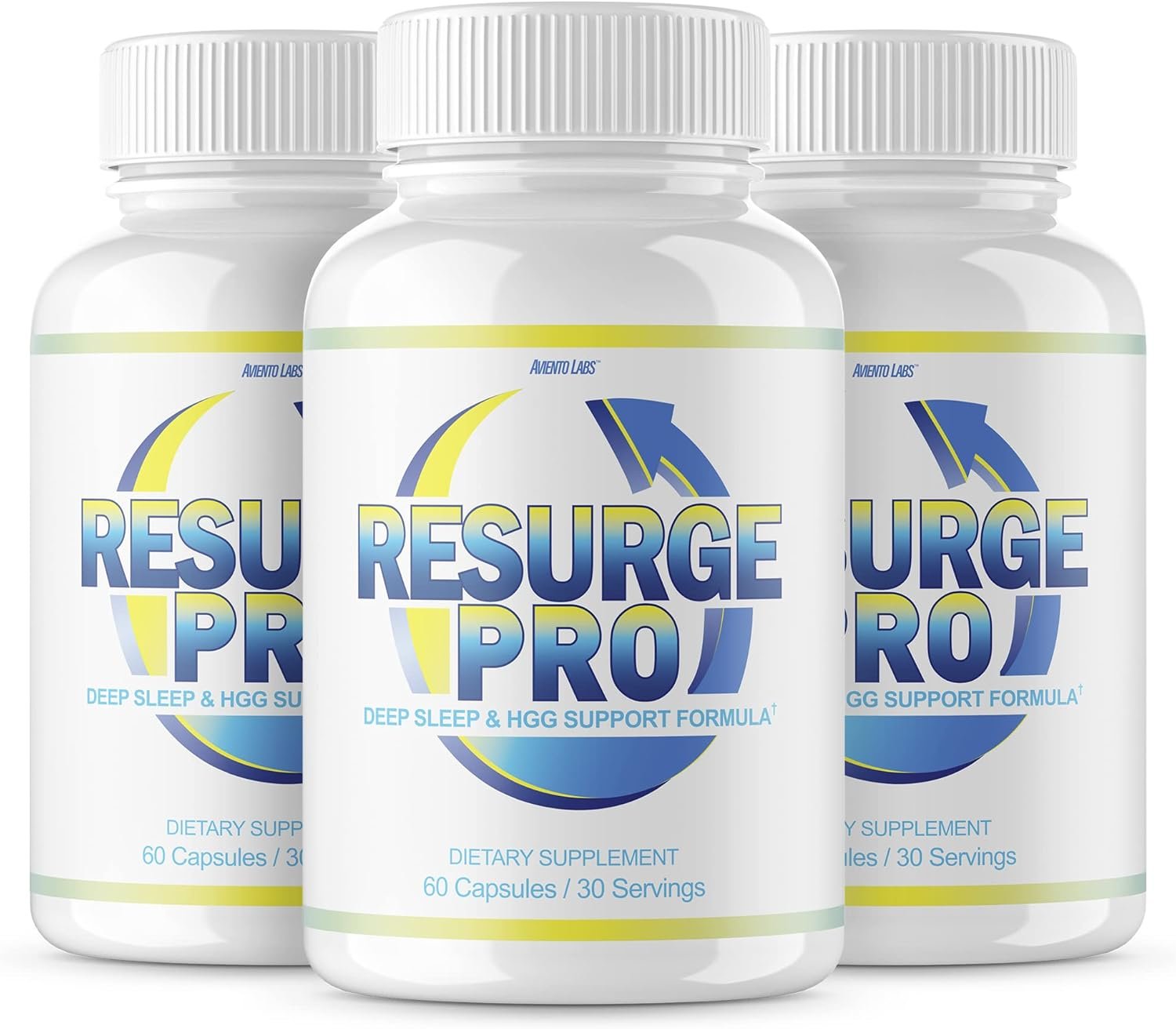
Supplements with Melatonin
Formulas in the SourceLean directory that list Melatonin or a closely related form among their ingredients:
Related ingredients
Explore other compounds commonly found in weight-loss formulas:
Ingredient insights, explained
Get plain-language ingredient guides and formula breakdowns in your inbox.
Affiliate disclosure: SourceLean is reader-supported. When you buy through links on this site, we may earn a commission at no extra cost to you. Checkout is always handled on the official product website.