L-Lysine
A carnitine building block
- Type
- Essential amino acid
- Typical amount
- Supplement doses vary, often around 1–3 grams per day.
- Best taken
- As directed on the formula label
- Caffeine
- None
- Main source
- It is found in meat, fish, eggs, dairy and legumes.
- Evidence level
- Limited / emerging
L-lysine is an essential amino acid the body cannot make, needed for protein building and several key molecules.
What is L-Lysine?
L-lysine is an essential amino acid the body cannot make, needed for protein building and several key molecules.
How L-Lysine works in the body
It is a precursor the body uses (with vitamin C) to build carnitine, linking it to fat metabolism, and supports collagen. In practical terms, this is the mechanism weight-loss formulas are counting on when they include l-lysine.
What the research says about L-Lysine and weight
Human research on L-Lysine specifically for weight is limited or early-stage. Much of the rationale comes from traditional use, lab studies, or its general nutritional role. That doesn’t mean it doesn’t help — only that strong clinical proof for a weight effect isn’t established yet.
How much L-Lysine to take
Supplement doses vary, often around 1–3 grams per day. Always check the label of your specific formula — blends often contain less l-lysine than studies use, especially inside proprietary blends that don’t disclose exact amounts.
Food sources and supplement forms
It is found in meat, fish, eggs, dairy and legumes.
Why L-Lysine appears in weight-loss formulas
It appears in metabolic formulas partly for its role as a carnitine building block.
Safety, side effects and interactions
Generally well tolerated; high doses may cause mild digestive upset. As with any supplement, if you are pregnant, breastfeeding, taking medication or managing a health condition, check with your doctor first.
How to choose a quality L-Lysine supplement
When choosing a L-Lysine product or a formula containing it, look for one that discloses the actual amount of l-lysine (not just a proprietary-blend total), uses a recognizable form, and is made by a brand with third-party testing or GMP manufacturing. More isn’t always better — match the dose to what research and the label suggest, and be wary of products that hide quantities behind a blend.
A carnitine building block
Lysine is one of the raw materials the body uses to manufacture carnitine, tying this amino acid to fat transport.
Common questions about L-Lysine
What does L-Lysine do for weight loss?
How much L-Lysine should I take?
Is L-Lysine safe?
How strong is the evidence for L-Lysine?
Will L-Lysine alone make me lose weight?
Does the dose in supplements match research?
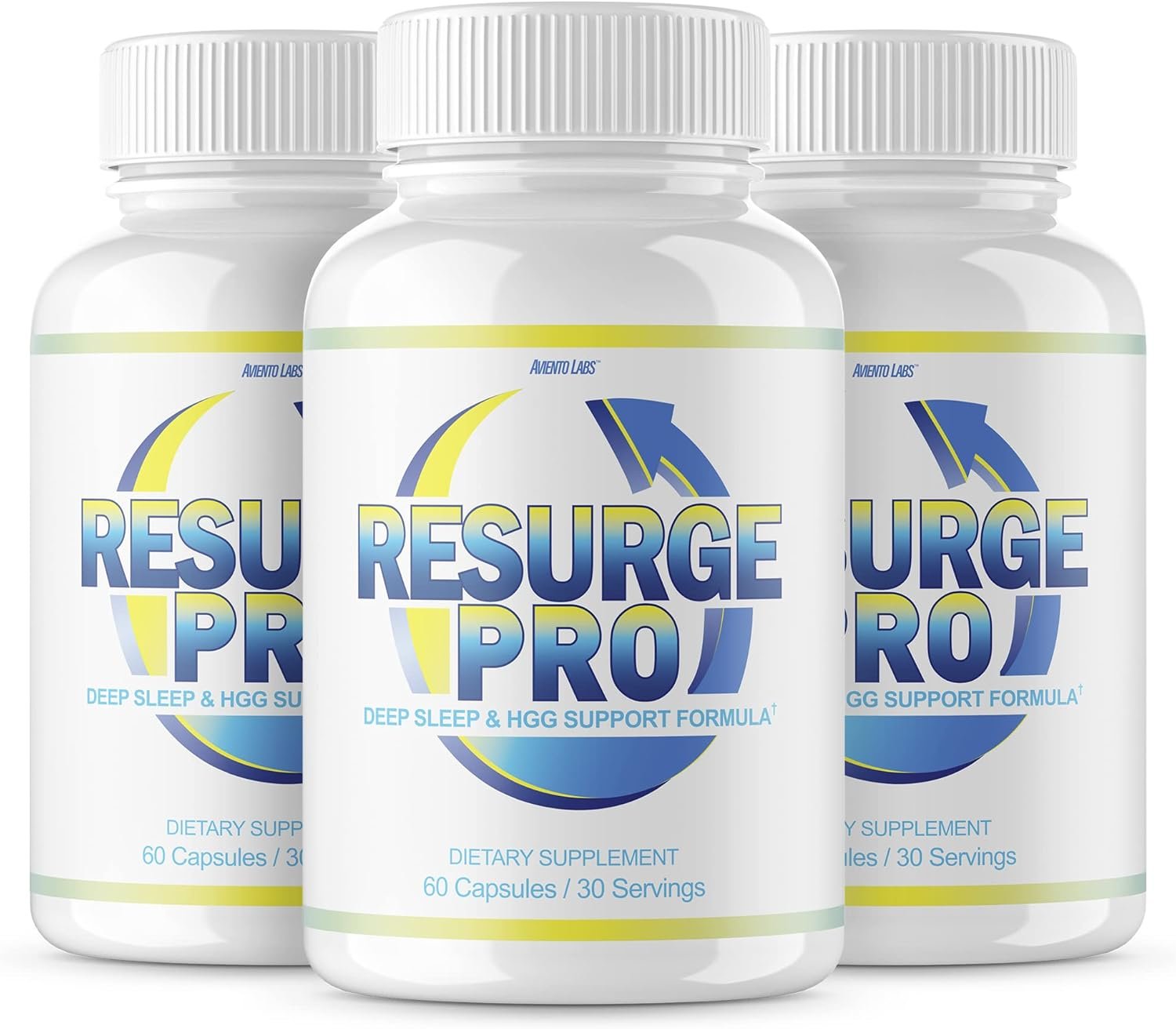
Supplements with L-Lysine
Formulas in the SourceLean directory that list L-Lysine or a closely related form among their ingredients:
Related ingredients
Explore other compounds commonly found in weight-loss formulas:
Ingredient insights, explained
Get plain-language ingredient guides and formula breakdowns in your inbox.
Affiliate disclosure: SourceLean is reader-supported. When you buy through links on this site, we may earn a commission at no extra cost to you. Checkout is always handled on the official product website.