L-Carnitine
The molecule that ferries fat into cells to be burned — but dose is everything.
- Type
- Amino-acid derivative
- Typical research dose
- 2–4 g/day
- Best taken
- With a carbohydrate-containing meal
- Caffeine
- No
- Main food source
- Red meat
- Evidence level
- Mixed — dose-dependent
L-carnitine is a compound your body makes and stores mostly in muscle, where it performs an essential job: carrying fat into the cell’s mitochondria to be burned for energy. That clear role makes it a logical fat-loss ingredient — but the studied doses are far larger than what fits in most multi-ingredient products.
What is L-Carnitine?
L-carnitine is synthesized in the body from the amino acids lysine and methionine, with vitamin C as a helper. It exists in several supplemental forms: L-carnitine L-tartrate (popular for exercise), acetyl-L-carnitine or ALCAR (which crosses into the brain and is studied for cognition), and propionyl-L-carnitine (studied for circulation). Around 95% of the body’s carnitine sits in skeletal and heart muscle.
How L-Carnitine works in the body
Its central role is as a shuttle: long-chain fatty acids cannot cross into the mitochondria — the cell’s energy factories — on their own, and carnitine is the molecule that carries them in to be burned for fuel. In theory, more carnitine means more capacity to use fat for energy. In practice, healthy people usually have enough carnitine already, so simply adding more does not automatically increase fat burning unless stores are low or demand is high.
What the research says about L-Carnitine and weight
Results are genuinely mixed and depend heavily on dose and the person. Meta-analyses suggest 2–3 grams per day can produce a small reduction in body weight, more reliably in older adults or those with low carnitine status. Exercise-recovery and fatigue benefits have more support. The common thread in disappointing studies is under-dosing — amounts well below the multi-gram doses used in positive trials.
How much L-Carnitine to take
Effective studies generally use 2–4 grams per day, often taken with a carbohydrate-containing meal because insulin helps muscle take up carnitine. This is the crux of the honest-label issue: a sachet or capsule blend listing “L-carnitine” often contains only a few hundred milligrams — a fraction of the studied dose — so the realistic effect from such products is small.
Food sources and supplement forms
The richest dietary source is red meat (the name comes from the Latin for flesh, carnis), with smaller amounts in fish, poultry and dairy. Vegetarians and vegans get little from food but typically make enough themselves. The body’s own production usually keeps healthy people sufficient.
Why L-Carnitine appears in weight-loss formulas
It appears in fat-metabolism formulas precisely because of its fat-shuttle role — it is the ingredient that lets you say a product helps cells “use fat for energy.” It is often paired with green tea, caffeine or chromium, and is a staple of pre-workout and fat-burner blends.
Safety, side effects and interactions
L-carnitine is generally safe at typical doses. High amounts can cause nausea, stomach upset or a fishy body odour. There is ongoing research into how gut bacteria convert carnitine into a compound (TMAO) linked in some studies to cardiovascular risk, though the practical significance for supplement users is still debated. Those with thyroid conditions or on seizure medication should seek advice.
How to choose a quality L-Carnitine supplement
The single most important thing is dose: look for a product that actually provides 2–3 grams if fat-loss support is the goal, rather than a token amount in a blend. Match the form to your aim — L-tartrate for exercise, acetyl-L-carnitine for a cognitive angle. Taking it with a meal improves uptake.
Why under-dosing sinks the results
The studies that show L-carnitine helping with weight use 2–4 grams a day — yet many multi-ingredient products contain only a few hundred milligrams. That gap between the studied dose and the label dose is the main reason real-world results so often disappoint.
Common questions about L-Carnitine
Does L-carnitine burn fat?
How much L-carnitine should I take?
What’s the difference between the forms?
Is L-carnitine safe?
Do vegetarians need L-carnitine?
When is the best time to take it?
Supplements with L-Carnitine
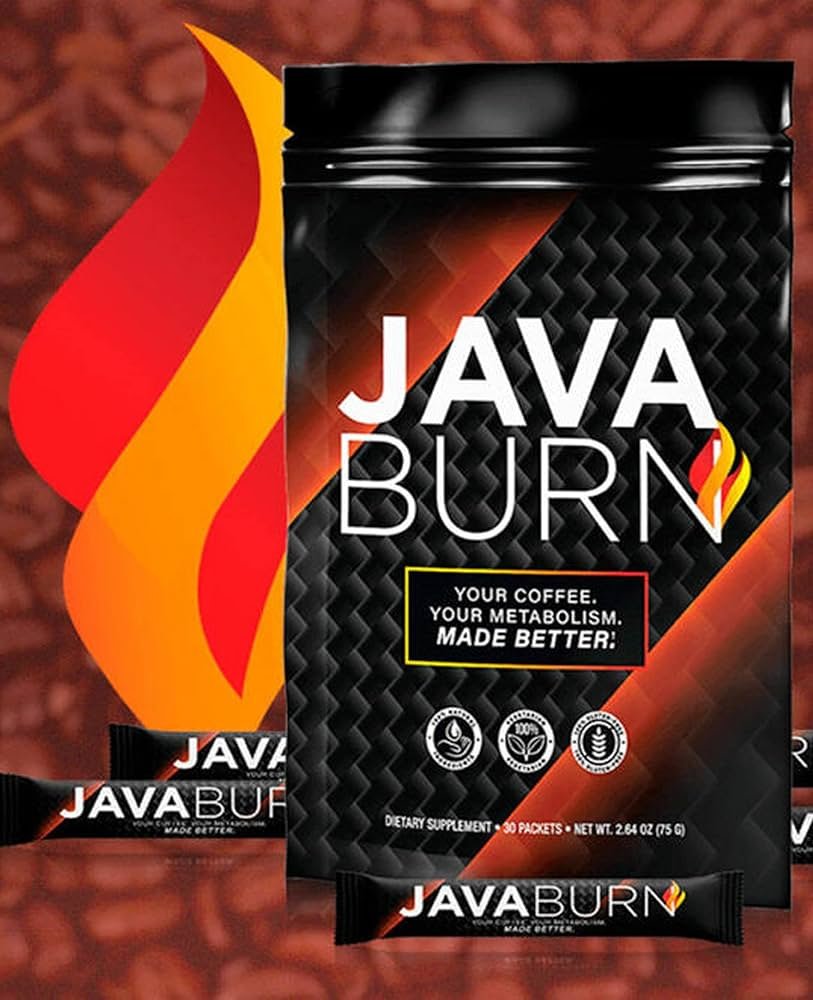
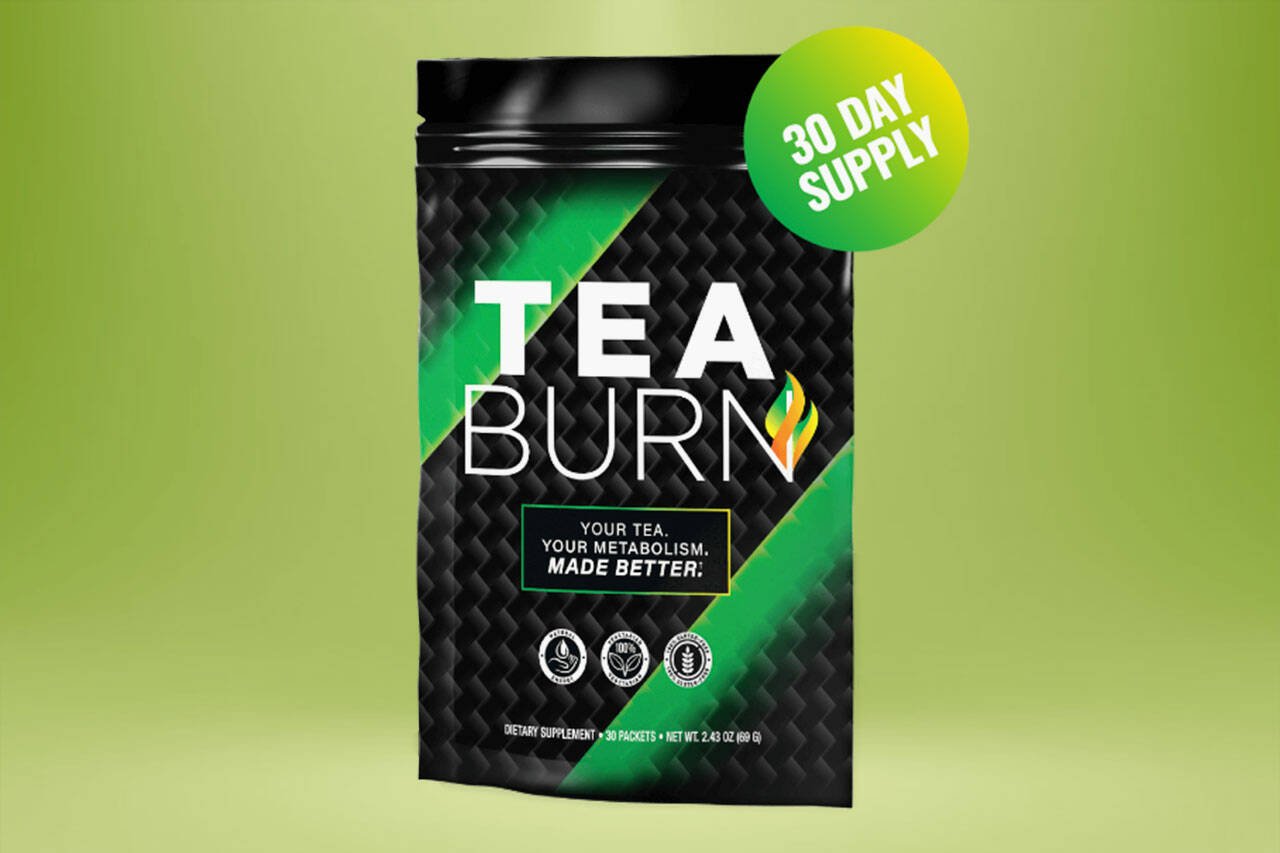
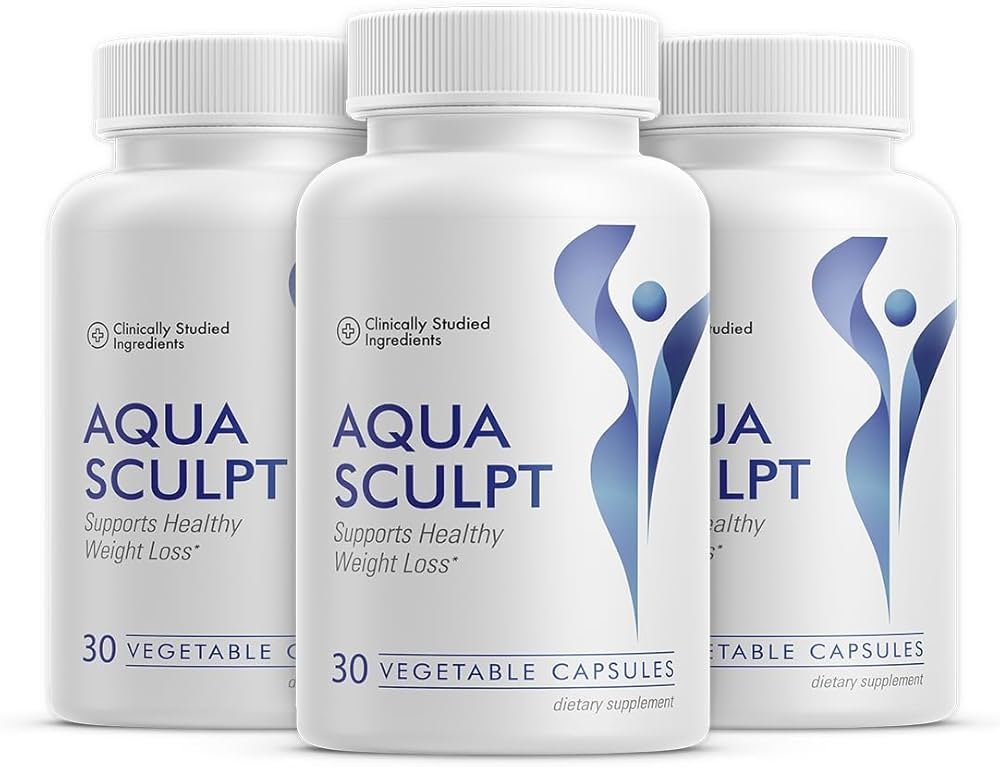
Formulas in the SourceLean directory that list L-Carnitine or a closely related form among their ingredients:

Related ingredients
Explore other compounds commonly found in weight-loss formulas:
Ingredient insights, explained
Get plain-language ingredient guides and formula breakdowns in your inbox.
Affiliate disclosure: SourceLean is reader-supported. When you buy through links on this site, we may earn a commission at no extra cost to you. Checkout is always handled on the official product website.