Garcinia Cambogia
A famous weight-loss fruit with a clean mechanism — and disappointing human results.
- Type
- Fruit-rind extract (HCA)
- Typical research dose
- 500–1,500 mg HCA before meals
- Best taken
- 30–60 min before meals
- Caffeine
- No
- Main food source
- Garcinia (Malabar tamarind) rind
- Evidence level
- Weak/mixed in humans
Garcinia cambogia is a small tropical fruit whose rind contains hydroxycitric acid (HCA), the compound behind years of weight-loss marketing. It is a useful case study in how a clean laboratory mechanism can fail to translate into meaningful results in people.
What is Garcinia Cambogia?
Garcinia cambogia (also called Malabar tamarind) is a pumpkin-shaped tropical fruit. Its rind is rich in hydroxycitric acid (HCA), which is what supplement extracts are standardized for — commonly 50–60% HCA. It has a long culinary history in South and Southeast Asia, where it is used in cooking and as an appetite-curbing addition to meals.
How Garcinia Cambogia works in the body
HCA’s proposed mechanism is twofold: it inhibits an enzyme (citrate lyase) the body uses to turn excess carbohydrate into fat, theoretically reducing fat storage; and it may raise serotonin, which could blunt appetite. Both mechanisms are clean and plausible in the laboratory, which is exactly why the ingredient became so heavily marketed.
What the research says about Garcinia Cambogia and weight
Here the story falls down. Despite the appealing mechanism, human trials have been largely disappointing and inconsistent: well-conducted studies and reviews generally find little to no meaningful weight loss beyond placebo. The gap between the tidy lab mechanism and the underwhelming human results is one of the clearest examples of why mechanism alone is not proof that a supplement works.
How much Garcinia Cambogia to take
Trials have used extracts providing roughly 500–1,500 mg of HCA per day, taken about 30–60 minutes before meals. Many commercial products are under-dosed or do not disclose the HCA percentage, which compounds the already weak evidence.
Food sources and supplement forms
HCA comes specifically from the dried rind of the garcinia fruit and is taken as a standardized extract; the fruit itself is not a common food outside its native regions.
Why Garcinia Cambogia appears in weight-loss formulas
It appears in weight formulas largely for historical and marketing reasons — it was one of the most hyped weight-loss ingredients of the past two decades — and because its mechanism makes for an attractive sales story, despite the thin human evidence.
Safety, side effects and interactions
At typical doses garcinia is generally well tolerated, with occasional digestive upset, headache or dizziness. The more serious concern is rare reports of liver injury associated with some high-dose or multi-ingredient garcinia products, which is why caution, sensible dosing and label-checking are warranted. It may also add to the effect of serotonergic medications, so those on antidepressants should seek advice.
How to choose a quality Garcinia Cambogia supplement
If you choose to try it, look for a product disclosing a standardized HCA percentage (around 50–60%) and a meaningful dose taken before meals — but set expectations low, because the human evidence is weak. Be wary of high-dose or proprietary blends given the rare liver reports.
A textbook case of mechanism ≠ results
Garcinia’s HCA convincingly blocks a fat-building enzyme in a test tube, yet carefully run human studies show little real weight loss — a reminder that a clean mechanism is a starting point, not proof that an ingredient works in people.
Common questions about Garcinia Cambogia
Does garcinia cambogia actually work for weight loss?
What is HCA?
How much garcinia should I take?
Is garcinia cambogia safe?
Why is it in so many products if it doesn’t work well?
Does it really curb appetite?
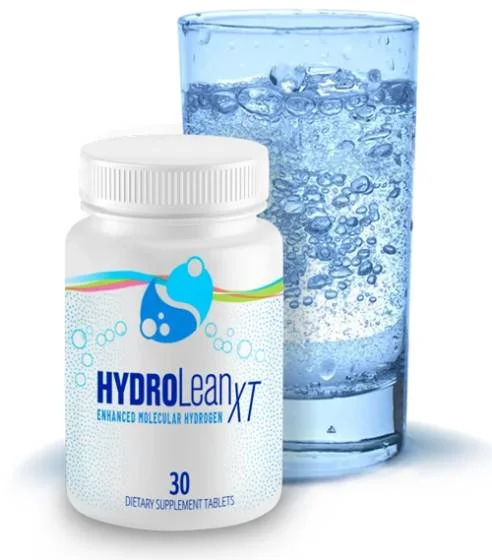
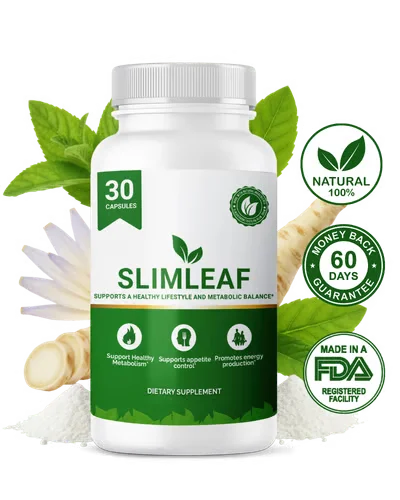
Supplements with Garcinia Cambogia
Formulas in the SourceLean directory that list Garcinia Cambogia or a closely related form among their ingredients:
Related ingredients
Explore other compounds commonly found in weight-loss formulas:
Ingredient insights, explained
Get plain-language ingredient guides and formula breakdowns in your inbox.
Affiliate disclosure: SourceLean is reader-supported. When you buy through links on this site, we may earn a commission at no extra cost to you. Checkout is always handled on the official product website.