Chromium
A trace mineral studied for blood sugar and carbohydrate cravings.
- Type
- Essential trace mineral
- Typical research dose
- 200–500 mcg/day
- Best taken
- With food
- Caffeine
- No
- Main food source
- Broccoli, whole grains, meat
- Evidence level
- Limited–moderate
Chromium is an essential trace mineral the body needs only in micrograms, best known in supplements for supporting insulin’s action and, in some research, for reducing carbohydrate cravings. It is a common, low-cost addition to blood-sugar and weight formulas.
What is Chromium?
Chromium is a mineral required in tiny (microgram) amounts for normal metabolism. In supplements it is usually supplied as chromium picolinate or chromium polynicotinate, forms chosen for better absorption than the chromium found in food. It should not be confused with the industrial hexavalent chromium, which is unrelated and toxic; supplements use the safe trivalent form.
How Chromium works in the body
Chromium appears to enhance the action of insulin, the hormone that moves glucose out of the blood and into cells. By supporting insulin signalling, it may help with blood-sugar regulation, and because insulin also influences appetite and cravings, chromium has been studied for reducing the urge to snack on carbohydrates and sweets.
What the research says about Chromium and weight
The evidence is modest and somewhat inconsistent. Chromium’s blood-sugar benefits are clearest in people who are actually deficient or who have insulin resistance; in well-nourished people the effects are small. Some trials report reduced carbohydrate cravings and appetite, particularly in people with mood-related or atypical eating patterns, but overall weight effects in studies are minor.
How much Chromium to take
Supplements typically provide 200–500 mcg per day, usually as picolinate. Because the body needs only micrograms, taking far more offers no extra benefit and is not advisable. Taking it with food supports absorption.
Food sources and supplement forms
Chromium is found in broccoli, whole grains, lean meats, nuts and brewer’s yeast, though the amount in food varies widely and modern processing strips much of it. Most people get enough from a varied diet.
Why Chromium appears in weight-loss formulas
It is included in weight and blood-sugar formulas for its insulin-support role and its craving-related research, and because it is inexpensive and well tolerated. It pairs naturally with other glucose-focused ingredients such as berberine, cinnamon or gymnema.
Safety, side effects and interactions
Chromium from supplements is generally safe at typical doses. Very high or prolonged intakes are best avoided, and rare reports of side effects exist at extreme doses. People with kidney or liver conditions, and those on diabetes medication (because of the additive blood-sugar effect), should consult a doctor first.
How to choose a quality Chromium supplement
Choose a well-absorbed form such as chromium picolinate at a sensible 200–500 mcg dose — more is not better with a trace mineral. If craving control is your goal, look for products that combine it thoughtfully with other glucose-support ingredients rather than relying on chromium alone.
The cravings connection
Because insulin influences appetite as well as blood sugar, chromium has been studied specifically for taming carbohydrate and sweet cravings — with the clearest results in people whose eating is tied to mood or blood-sugar swings.
Common questions about Chromium
Does chromium help you lose weight?
How much chromium should I take?
Does chromium reduce sugar cravings?
Is chromium picolinate safe?
Can I get enough chromium from food?
What does chromium pair well with?
Supplements with Chromium
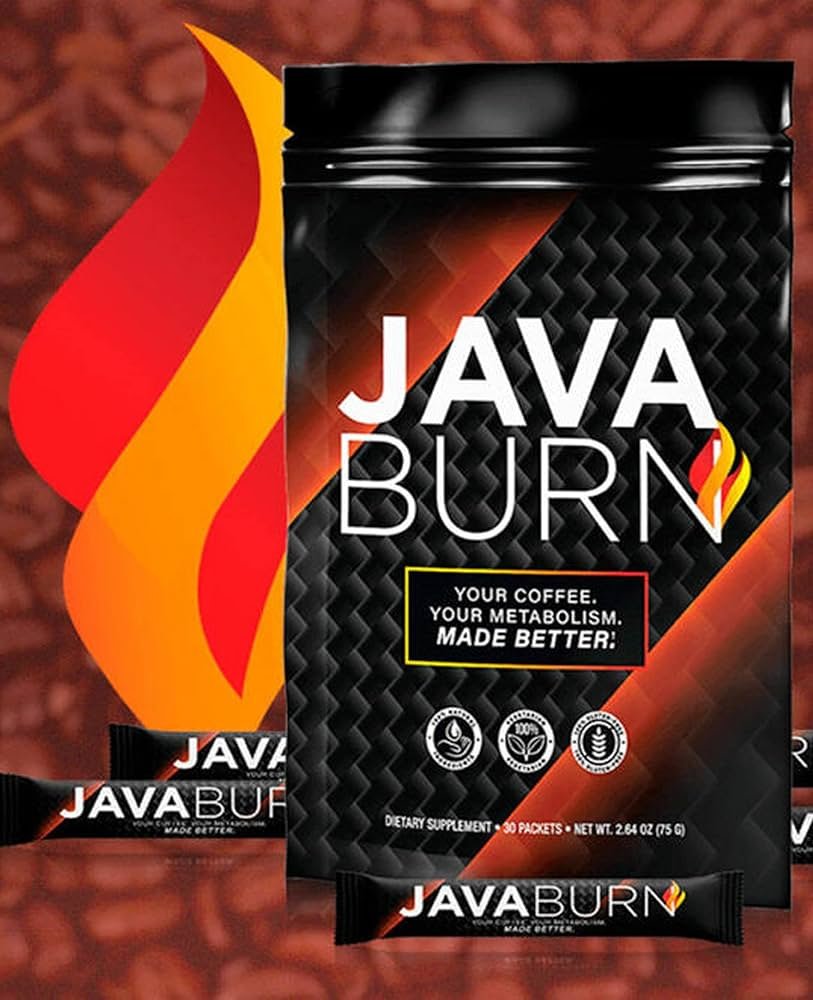
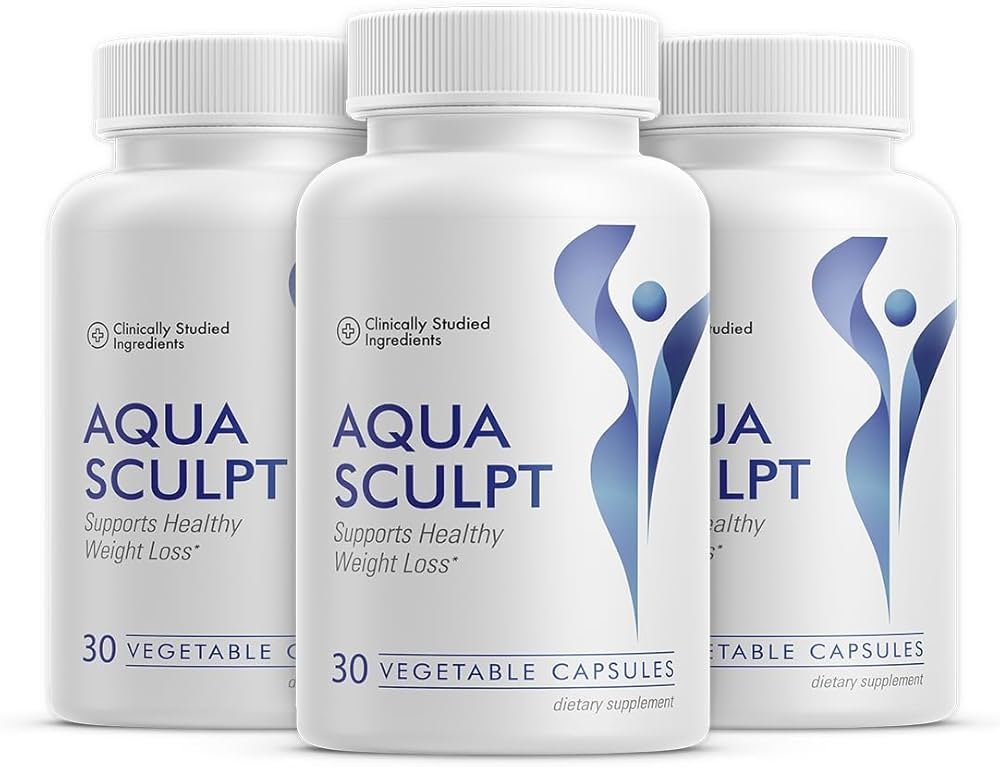
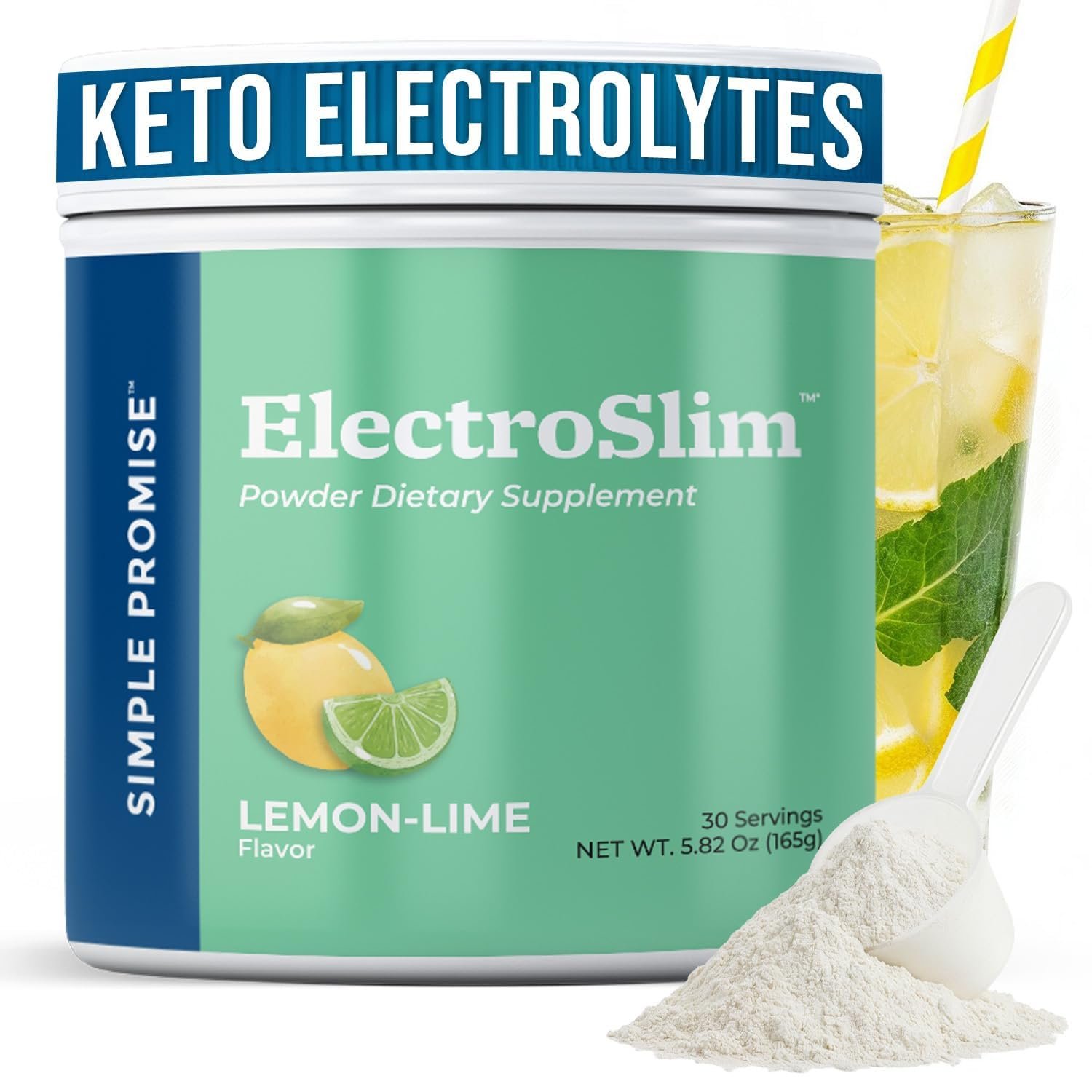
Formulas in the SourceLean directory that list Chromium or a closely related form among their ingredients:

Related ingredients
Explore other compounds commonly found in weight-loss formulas:
Ingredient insights, explained
Get plain-language ingredient guides and formula breakdowns in your inbox.
Affiliate disclosure: SourceLean is reader-supported. When you buy through links on this site, we may earn a commission at no extra cost to you. Checkout is always handled on the official product website.